



When people hear the words “Grand Canyon,” they almost always think of Arizona in the United States. But few travelers realize that China is home to a canyon just as dramatic—one filled with towering limestone cliffs, waterfalls, sea-like clouds, and one of the world’s most unusual rock formations.
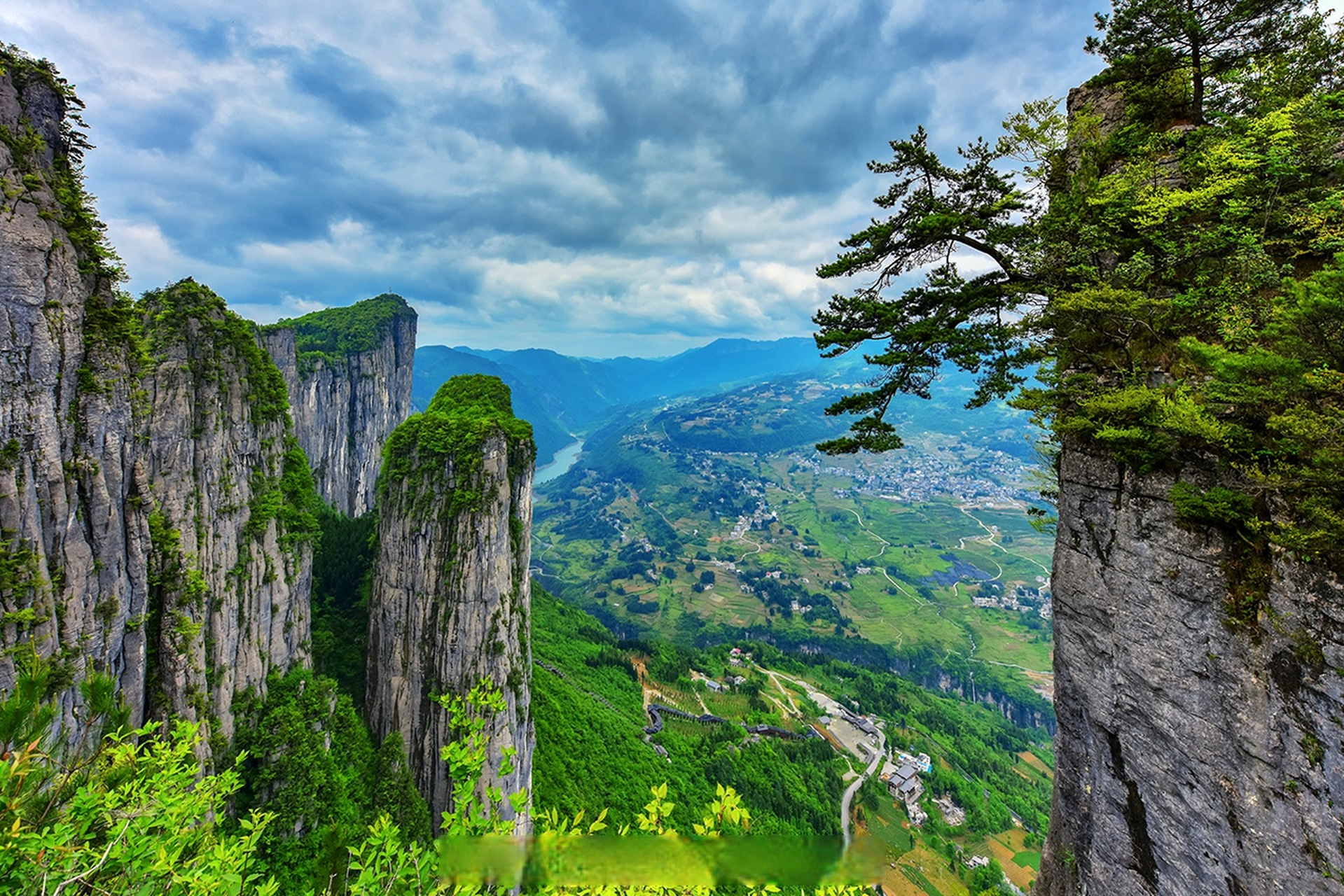
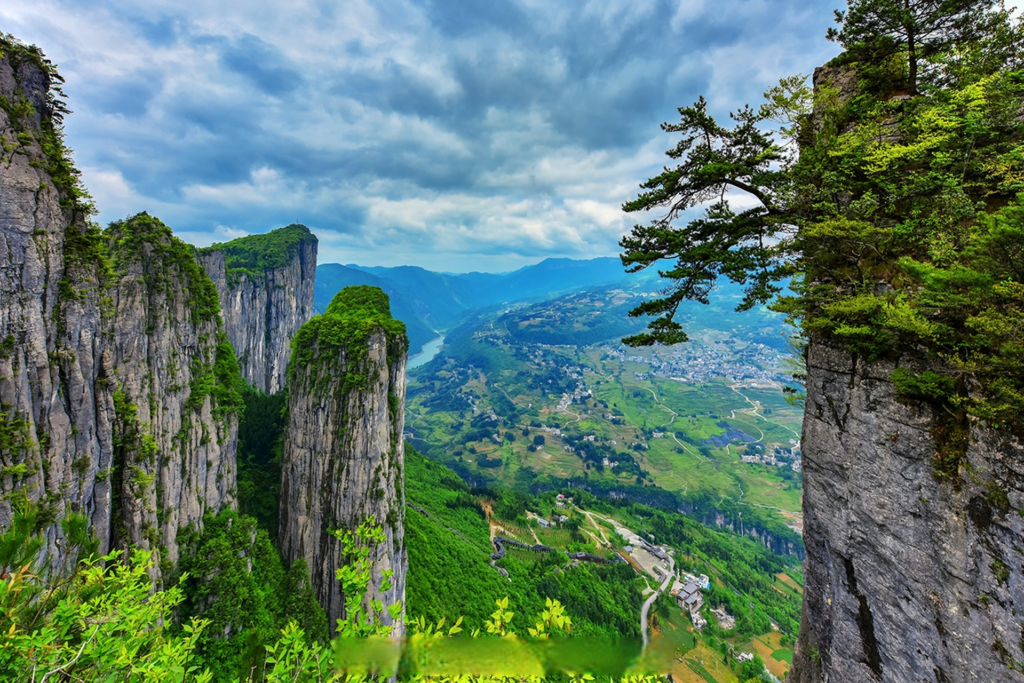
Located in western Hubei Province, Enshi Grand Canyon (恩施大峡谷) is often called “China’s Grand Canyon.”While the comparison is understandable, Enshi has a character all its own. Instead of red desert landscapes, you’ll find lush forests, mist-covered peaks, and towering karst formations shaped over millions of years.
For adventurous travelers looking beyond China’s famous landmarks, Enshi Grand Canyon is one of the country’s most rewarding destinations.
Where Is Enshi Grand Canyon?
Enshi Grand Canyon is located about 40 kilometers (25 miles) from Enshi City, in the Enshi Tujia and Miao Autonomous Prefecture of Hubei Province.
Although Hubei is best known internationally for the Yangtze River and the Three Gorges, its western mountains remain largely undiscovered by overseas visitors.
Thanks to China’s high-speed rail network, Enshi is now much easier to reach from cities such as Wuhan, Chongqing, and Chengdu, making it an increasingly popular destination for domestic travelers.
A Landscape Shaped by Time
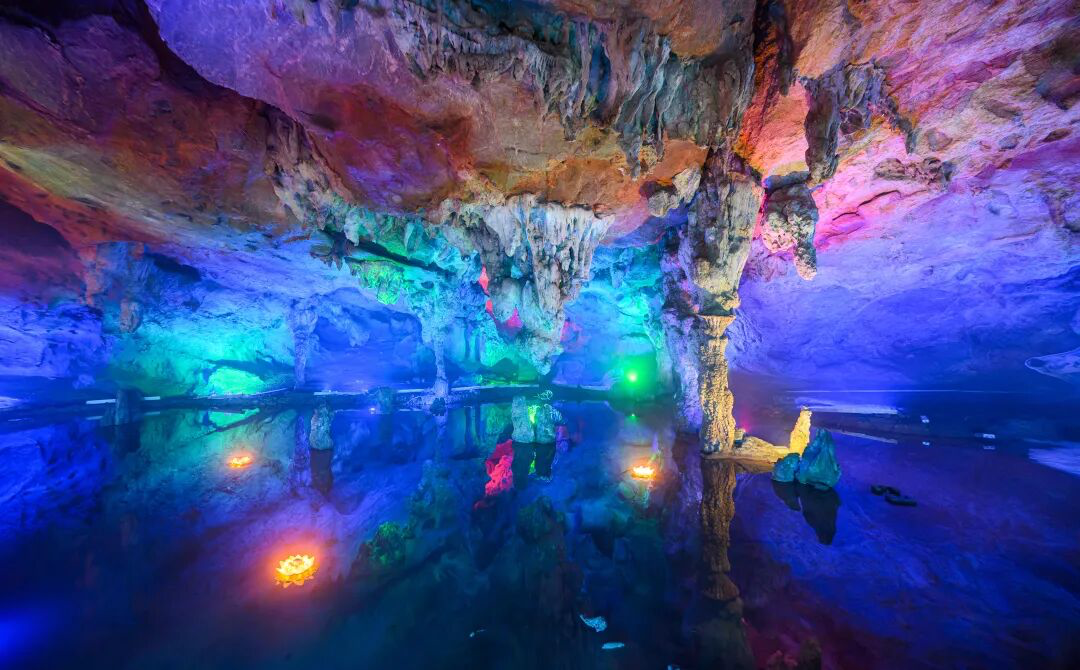
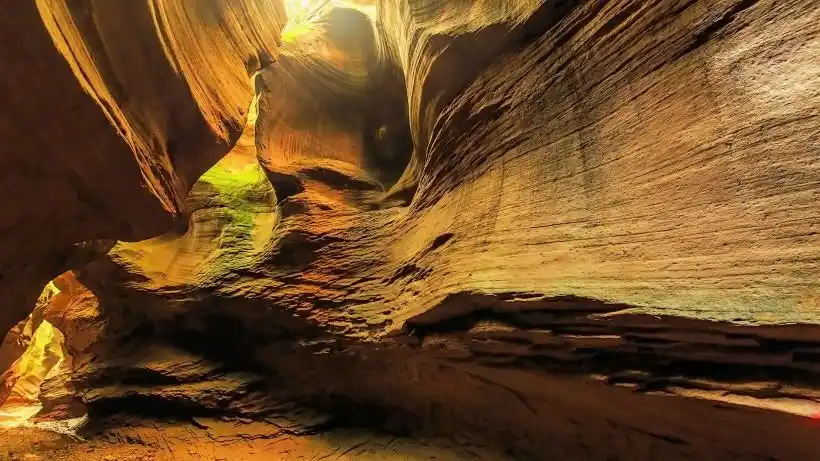
The canyon lies within one of China’s largest karst regions, where limestone has been slowly carved by water over hundreds of millions of years.
The result is an extraordinary landscape featuring:
- Sheer limestone cliffs
- Deep valleys
- Natural sinkholes
- Underground streams
- Waterfalls
- Dense forests
- Isolated stone pillars
Unlike the dry canyons of the American Southwest, Enshi is rich in vegetation. During spring and summer, the canyon becomes a sea of green, while autumn transforms the mountains into shades of gold and red.
Morning mist often fills the valleys, creating the impression that the peaks are floating above the clouds.
The Famous “Incense Stick” Rock
Perhaps the most iconic landmark in Enshi Grand Canyon is a towering limestone pillar known as the Yixiang Xiang, or “Incense Stick Rock.”
Standing approximately 150 meters (492 feet) tall, this slender column rises almost perfectly vertical from the valley floor.
What makes it remarkable is its narrow shape. From certain angles, it appears impossibly thin, leading many visitors to wonder how it has remained standing for thousands of years.
Despite earthquakes, heavy rainfall, and strong winds, the natural pillar continues to defy expectations and has become the symbol of Enshi Grand Canyon.
It is also one of the most photographed natural landmarks in central China.
Walk Above the Cliffs
One of the highlights of visiting Enshi is its extensive network of cliffside boardwalks.
These pathways are carefully built along the canyon walls, allowing visitors to experience breathtaking views without requiring advanced climbing skills.
As you walk, you’ll encounter:
- Dramatic viewing platforms
- Narrow cliffside trails
- Hanging bridges
- Waterfalls cascading down steep rock faces
- Panoramic mountain scenery
Several sections include glass viewing platforms that offer thrilling views hundreds of meters above the valley below.
Although these attractions are exciting, the emphasis remains on appreciating the surrounding landscape rather than simply seeking adventure.
A Paradise for Hikers
Enshi Grand Canyon covers a vast area, and most visitors spend an entire day exploring its trails.
The routes vary in difficulty, making the park suitable for both casual visitors and experienced hikers.
The changing scenery ensures that every section feels different. One moment you may be walking through dense forest, while the next you’re standing on an exposed cliff overlooking endless mountains.
Because of the canyon’s size, many travelers recommend wearing comfortable hiking shoes and allowing plenty of time to explore.
A UNESCO-Recognized Landscape
The canyon forms part of the South China Karst, a UNESCO World Heritage region celebrated for its outstanding limestone landscapes.
Karst formations develop when slightly acidic rainwater slowly dissolves limestone over millions of years, creating caves, sinkholes, cliffs, and dramatic rock towers.
China contains some of the world’s finest examples of this geological process, and Enshi is among its most impressive expressions.
For anyone interested in geology or natural history, the canyon offers an extraordinary outdoor classroom.
Best Time to Visit
Each season offers a different experience.
Spring (March–May)
Wildflowers bloom across the mountains, temperatures are mild, and waterfalls are at their strongest.
Summer (June–August)
The forests are lush and vibrant, while morning clouds frequently fill the valleys.
Autumn (September–November)
Cool weather and colorful foliage make autumn one of the most popular seasons for photography.
Winter (December–February)
Snow occasionally transforms the canyon into a magical white landscape, though some trails may be affected by icy conditions.
How to Get There
The nearest transport hub is Enshi Xujiaping Airport, which connects to several major Chinese cities.
Many visitors also arrive by high-speed rail to Enshi Railway Station before taking a bus or taxi to the scenic area.
The journey from downtown Enshi usually takes about one hour.
Travel Tips
To enjoy your visit:
- Wear hiking shoes with good grip.
- Bring water and snacks for longer walks.
- Start early to avoid crowds.
- Carry a rain jacket, as mountain weather can change quickly.
- Allow a full day to explore the park.
If you plan to photograph the canyon, early morning often provides the best lighting and the highest chance of seeing mist drifting through the valleys.
Why Enshi Grand Canyon Should Be on Your China Itinerary
Many international travelers focus on China’s famous destinations, leaving extraordinary places like Enshi relatively unknown.
Yet Enshi Grand Canyon offers something rare: spectacular scenery without the overwhelming crowds found at some of China’s better-known attractions.
Its combination of towering cliffs, dramatic geology, lush forests, and unforgettable hiking trails makes it one of the country’s finest natural destinations.
Whether you’re a photographer, outdoor enthusiast, or simply someone looking to experience a different side of China, Enshi Grand Canyon is a place that deserves far more global attention.
Frequently Asked Questions
Is Enshi Grand Canyon worth visiting?
Absolutely. It is widely regarded as one of China’s most beautiful canyon landscapes and offers excellent hiking opportunities.
How long should I spend there?
A full day is recommended to explore the main scenic areas comfortably.
Is the hike difficult?
Most trails are well maintained, although some sections include steep staircases. Visitors with average fitness can usually complete the main routes.
When is the best time to visit?
Spring and autumn provide the most comfortable weather and excellent visibility.
Is Enshi Grand Canyon suitable for families?
Yes. Many areas are accessible to families, although younger children may find some stair sections challenging.