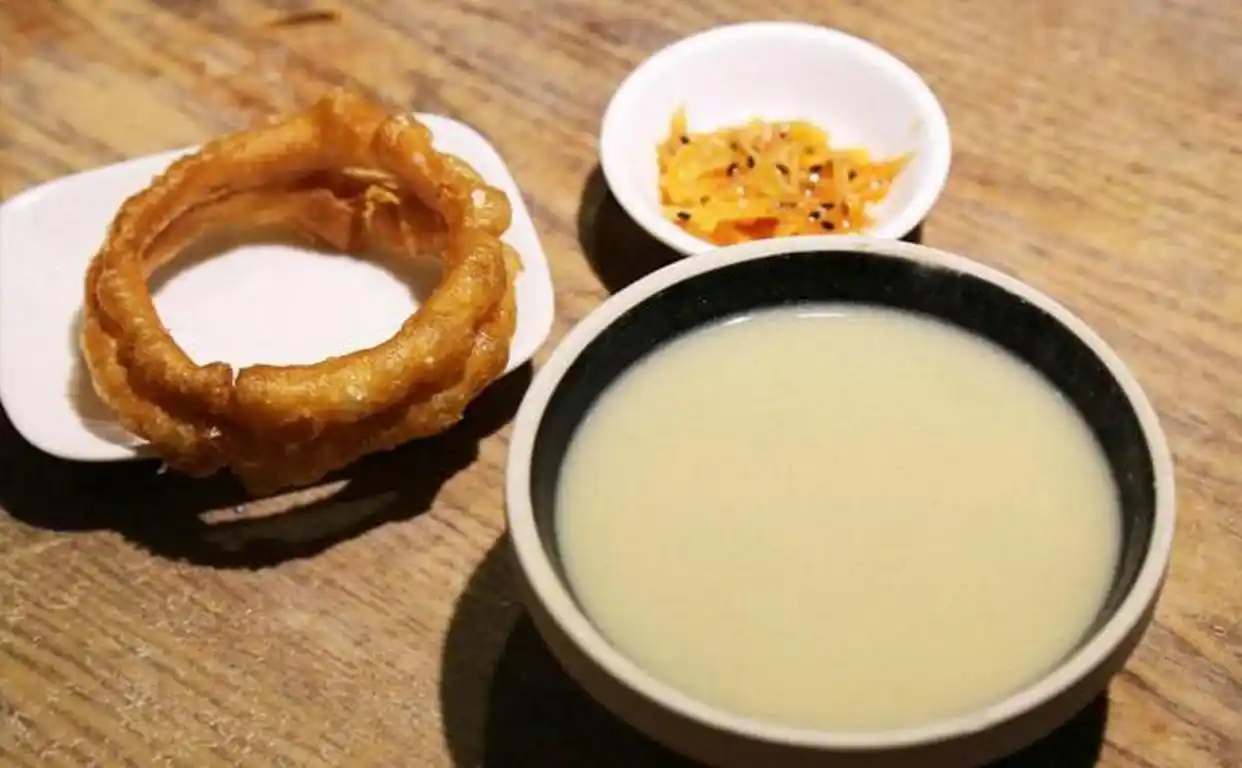



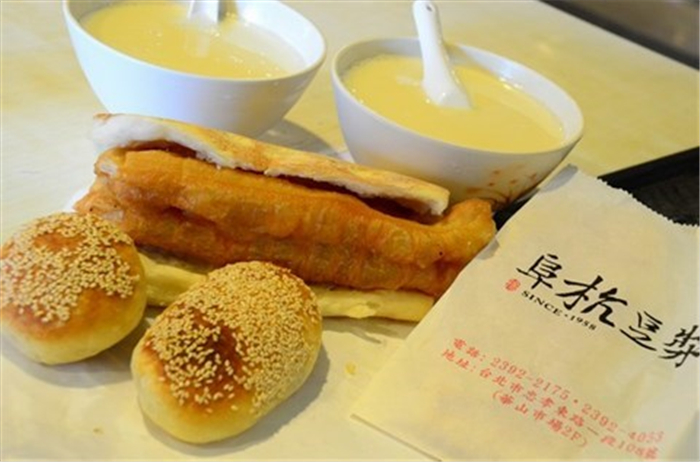
For many visitors to China, breakfast can be a surprise. Instead of cereal, toast, or coffee, locals often start the day with a steaming cup of soy milk and freshly made fried dough sticks called youtiao.
While soy milk is marketed in many Western countries as a dairy alternative, in China it has been a beloved breakfast drink for centuries. So why is soy milk so deeply rooted in Chinese daily life?
The answer lies in history, tradition, nutrition, and the unique culture of Chinese breakfasts.
Soy Milk Has Been Around for Nearly 2,000 Years
Soybeans have been an essential part of the Chinese diet for thousands of years. According to Chinese historical records, soy milk—known as doujiang (豆浆)—has been consumed since at least the Han Dynasty, more than 2,000 years ago.
Because soybeans were affordable, nutritious, and widely grown across China, they became a staple ingredient in many foods, including tofu, fermented bean products, and soy milk.
Unlike trendy plant-based beverages today, soy milk in China was never meant to replace cow’s milk—it was already a traditional drink long before dairy became common.
It’s the Perfect Breakfast Companion
Walk into almost any breakfast shop in China before 9 a.m., and you’ll likely see customers ordering soy milk.
It’s commonly served alongside:
- Youtiao (fried dough sticks)
- Steamed buns (baozi)
- Sesame flatbread (shaobing)
- Sticky rice rolls (cifan)
- Tea eggs
The combination is inexpensive, filling, and easy to prepare, making it ideal for busy mornings.
Many Chinese people even have fond childhood memories of stopping at a neighborhood breakfast stall with their parents before school.
Sweet or Savory? It Depends Where You Are
One of the most interesting things about Chinese soy milk is that it isn’t always sweet.
In northern China, soy milk is often served with sugar, creating a smooth and mildly sweet drink.
In parts of southern China, especially around Shanghai, some people prefer savory soy milk. It may include soy sauce, vinegar, sesame oil, dried shrimp, pickled vegetables, or chopped scallions, creating a completely different flavor.
This regional difference often sparks friendly debates among Chinese people—much like the famous sweet-versus-savory tofu pudding discussion.
It’s Affordable and Nutritious
Soy milk remains popular because it’s both healthy and economical.
It naturally contains:
- Plant-based protein
- Vitamins and minerals
- No cholesterol
- Relatively little saturated fat
Although nutritional opinions vary, many Chinese families see soy milk as a wholesome way to begin the day.
Freshly made soy milk from local breakfast shops is also inexpensive, making it accessible to almost everyone.
Fresh Is Better Than Packaged
When foreigners think of soy milk, they often imagine the boxed versions sold in supermarkets.
In China, however, many people prefer freshly made soy milk.
Traditional breakfast shops grind soaked soybeans early in the morning, boil the liquid, and serve it hot within hours. Many customers believe the fresh version has a richer aroma and smoother texture than packaged alternatives.
This emphasis on freshness reflects a broader preference in Chinese food culture for meals prepared daily.
Even Modern Coffee Culture Hasn’t Replaced It
Coffee consumption has grown rapidly in China, especially among younger urban professionals.
Yet soy milk remains remarkably resilient.
Many office workers still grab a cup of hot soy milk on their commute, while families continue to enjoy it at weekend breakfasts. Coffee and soy milk often coexist rather than compete, serving different occasions and tastes.
A Favorite of Famous Visitors
Traditional Chinese breakfasts have also attracted international attention.
During his visits to Taiwan, Jensen Huang famously queued at the popular breakfast restaurant Fu Hang Soy Milk, bringing global attention to one of the Chinese-speaking world’s most iconic breakfast combinations: hot soy milk and crispy youtiao.
The story introduced many international readers to a breakfast tradition that millions of Chinese people consider completely ordinary.
Final Thoughts
Soy milk isn’t simply a beverage in China—it’s part of a centuries-old breakfast tradition that continues to thrive in modern cities.
Whether enjoyed sweet or savory, from a neighborhood street stall or a famous breakfast restaurant, a cup of hot doujiangrepresents comfort, convenience, and the simple pleasures of everyday life.
For many Chinese people, the day doesn’t truly begin until there’s a warm cup of soy milk on the table.