

At first glance, convenience stores in China and Japan seem almost identical.
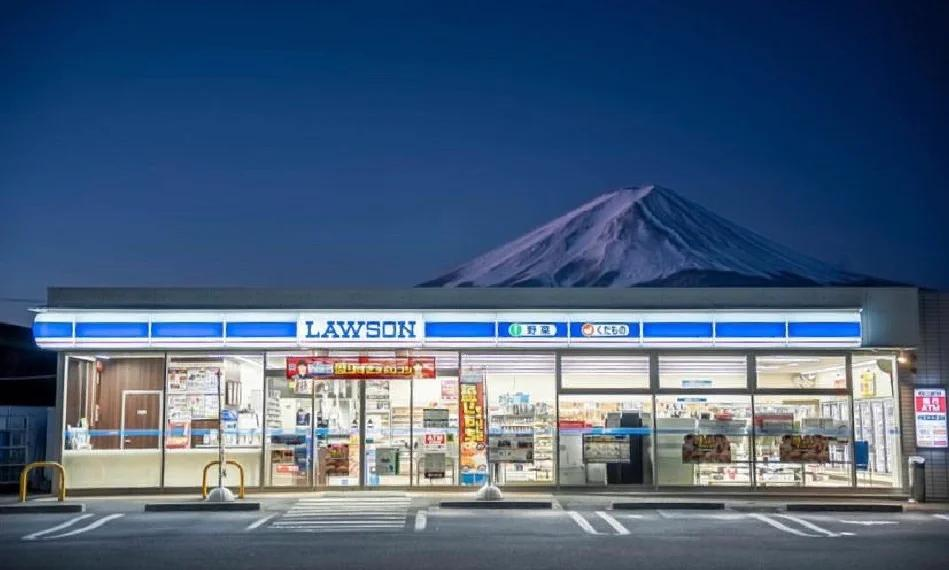
Both countries have familiar brands like 7-Eleven, FamilyMart, and Lawson. Both are clean, brightly lit, and open late—or even 24 hours a day.
But once you step inside, the experience becomes surprisingly different.
While Japan’s convenience stores are famous for their ready-to-eat meals and meticulous service, China’s convenience stores have evolved to match a much faster, mobile-first lifestyle.
If you’re planning to visit either country, here’s why the two experiences feel so different.
Convenience Stores Play Different Roles
In Japan, convenience stores are almost an extension of everyday life.
People stop by for breakfast, lunch, dinner, coffee, fresh desserts, and even to pay utility bills, print documents, or buy concert tickets.
In China, convenience stores focus more on speed and practicality.
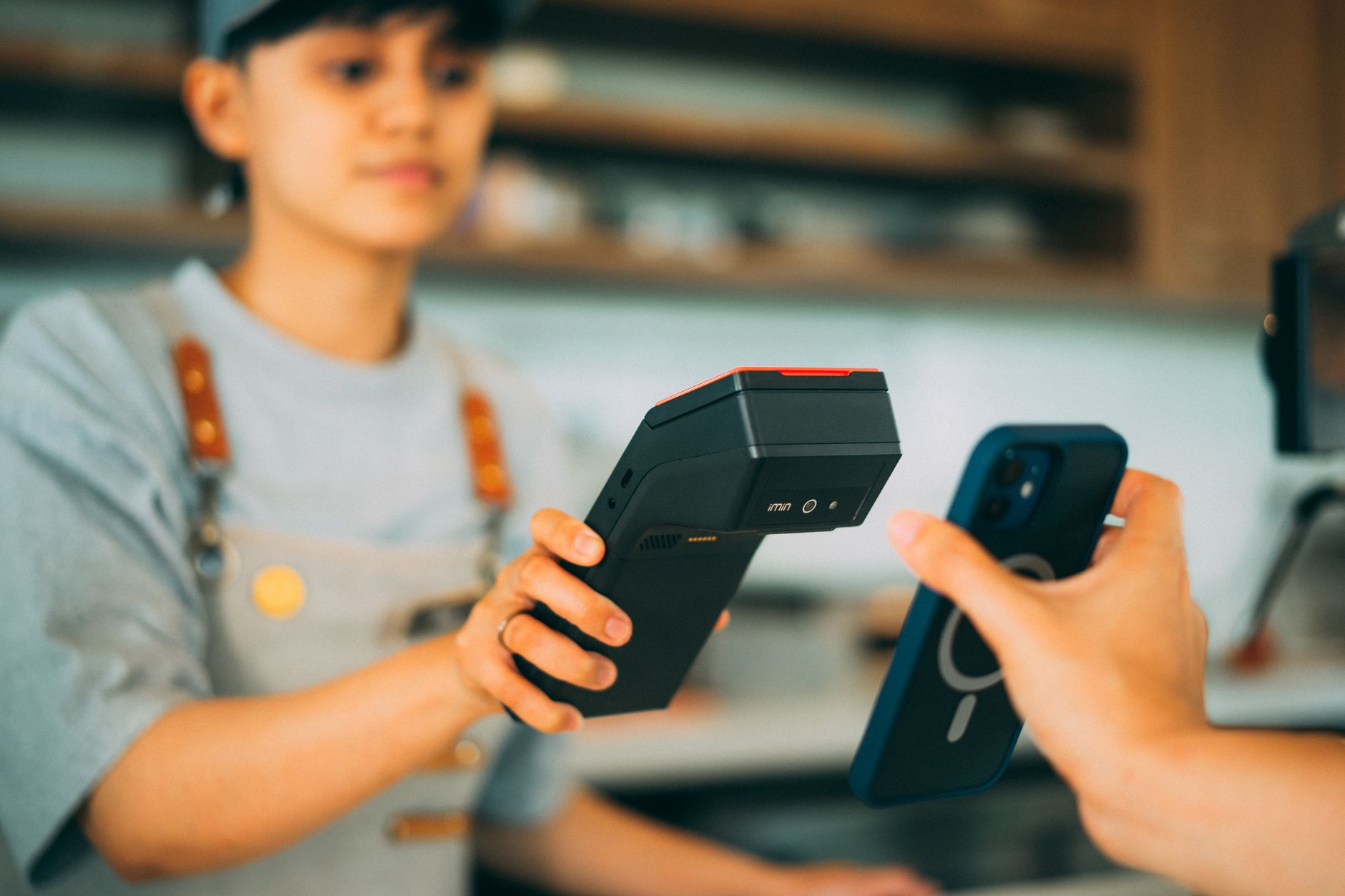
Many customers simply walk in, grab a drink, a snack, or a quick meal, pay with their phone, and leave within a minute or two.
This reflects the fast pace of life in many Chinese cities.
Mobile Payments Have Changed Everything
One of the biggest differences is how people pay.
In Japan, cash is still accepted almost everywhere, and many people continue to use it alongside bank cards and mobile payments.
In China, however, paying with cash has become increasingly uncommon in daily life.
Most customers simply scan a QR code using Alipay or WeChat Pay and complete the transaction in seconds.
For many visitors, it’s surprising to see customers buying a bottle of water without ever opening their wallets.
Fresh Food Is Different
Japanese convenience stores are famous around the world for their food.
You’ll find beautifully packaged bento boxes, sushi, rice balls (onigiri), sandwiches, fried chicken, and seasonal desserts.
The quality is so high that many tourists deliberately eat at convenience stores during their trips.
Chinese convenience stores also sell ready-to-eat meals, but the selection is usually different.
Depending on the city, you may find:
- Steamed buns
- Tea eggs
- Rice bowls
- Instant hot meals
- Local noodles
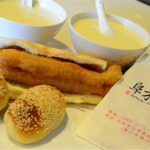
- Soy milk
- Freshly brewed tea and coffee
Many stores also stock products that reflect local tastes, so the food selection in Chengdu may look very different from that in Shanghai or Guangzhou.
Delivery Is Part of the Business
Perhaps the biggest difference is what happens after you leave the store.
In Japan, convenience stores are mainly designed for customers who walk in.
In China, many convenience stores are connected to food delivery platforms.
Using your phone, you can order snacks, drinks, medicine, or daily necessities, and they may arrive at your home or hotel in less than 30 minutes.
For many Chinese consumers, visiting the store isn’t even necessary.
Stores Are Becoming Mini Supermarkets
Chinese convenience stores increasingly sell much more than snacks.
Many now offer:
- Fresh fruit
- Dairy products
- Frozen foods
- Household supplies
- Personal care products
- Phone chargers
- Umbrellas
- Basic medicines
This makes them useful for both daily shopping and emergency purchases.
Local Brands Are Stronger in China
While international chains are still common, China also has many successful domestic convenience store brands.
Depending on the city, you may see chains that are rarely found elsewhere, each offering products tailored to local preferences.
In Japan, national chains dominate the market, and customers generally expect a similar experience no matter which city they visit.
China’s convenience store landscape is more regional, giving travelers a chance to discover different products in different parts of the country.
Technology Is Everywhere
Chinese convenience stores are quick to adopt new technology.
Some stores feature:
- Self-checkout machines
- Digital price tags
- Smart shelves
- AI-powered inventory systems
- Mobile ordering
- Instant electronic receipts
The shopping experience is designed to minimize waiting time and maximize convenience.
Which One Is Better?
That depends on what you’re looking for.
If you love beautifully prepared meals, seasonal products, and exceptional customer service, Japanese convenience stores are hard to beat.
If you value speed, mobile technology, fast delivery, and seamless digital payments, Chinese convenience stores offer an experience that feels surprisingly futuristic.
Rather than competing directly, the two countries have developed convenience stores that reflect their own lifestyles.
Final Thoughts
Although they share many of the same global brands, convenience stores in China and Japan have evolved in very different directions.
Japan focuses on food quality, consistency, and customer service.
China emphasizes speed, digital technology, delivery, and convenience for everyday urban life.
For travelers, visiting both offers more than just a place to buy a drink—it provides a fascinating glimpse into how two neighboring countries have built very different approaches to modern living.