If you’ve ever ordered food in China, you may have been surprised by how quickly it arrives.
In many cities, it’s perfectly normal for lunch to appear at your door in 20 to 30 minutes. Even during busy hours, delivery is often faster than many people expect.
For visitors from the United States or Europe, this can feel almost unbelievable.
So what makes food delivery in China so fast?
The answer isn’t just about fast riders. It’s the result of technology, city planning, consumer habits, and one of the world’s most advanced on-demand delivery ecosystems.
Dense Cities Mean Shorter Delivery Distances
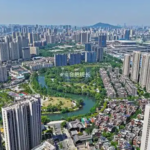
One of the biggest reasons is population density.
Chinese cities are home to millions of people living and working in relatively compact urban areas.
Restaurants, office buildings, apartment complexes, and shopping centers are often located close together.
That means a delivery rider usually doesn’t need to travel very far to complete an order.
In many Western cities, homes and restaurants are spread over much larger areas, naturally increasing delivery times.
Restaurants Are Everywhere
Walk through almost any Chinese neighborhood and you’ll notice something immediately:
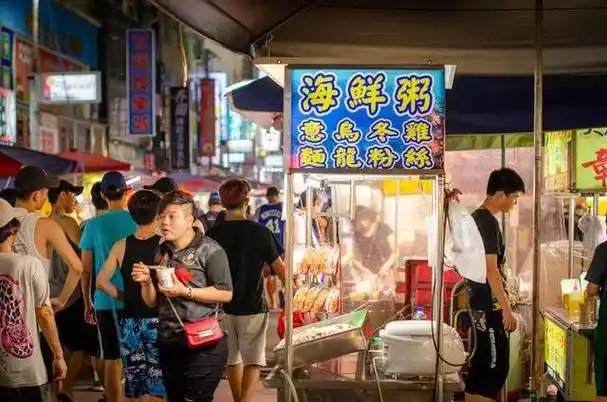
Restaurants are everywhere.
A single commercial street may have dozens of choices, including noodle shops, hot pot restaurants, bakeries, coffee shops, milk tea stores, barbecue restaurants, and convenience stores.
Because customers have so many nearby options, delivery platforms can assign orders to restaurants only a short distance away.
The Scale of Meituan and Ele.me
China’s delivery market is dominated by two major platforms:
- Meituan
- Ele.me
Together, they process millions of orders every day and use sophisticated algorithms to match customers, restaurants, and delivery riders in real time.
The system constantly adjusts routes based on traffic, weather, rider availability, and restaurant preparation times.
Instead of simply finding the nearest rider, the platforms optimize the entire delivery network.
Mobile Payments Make Ordering Instant
Another important factor is China’s widespread use of mobile payments.
Most people order food through apps and pay immediately using Alipay or WeChat Pay.
There is no need for cash, card machines, or payment on delivery.
The order goes directly from the customer to the restaurant within seconds, allowing food preparation to begin almost immediately.
Delivery Riders Are Highly Specialized
Food delivery has become a major profession in China.
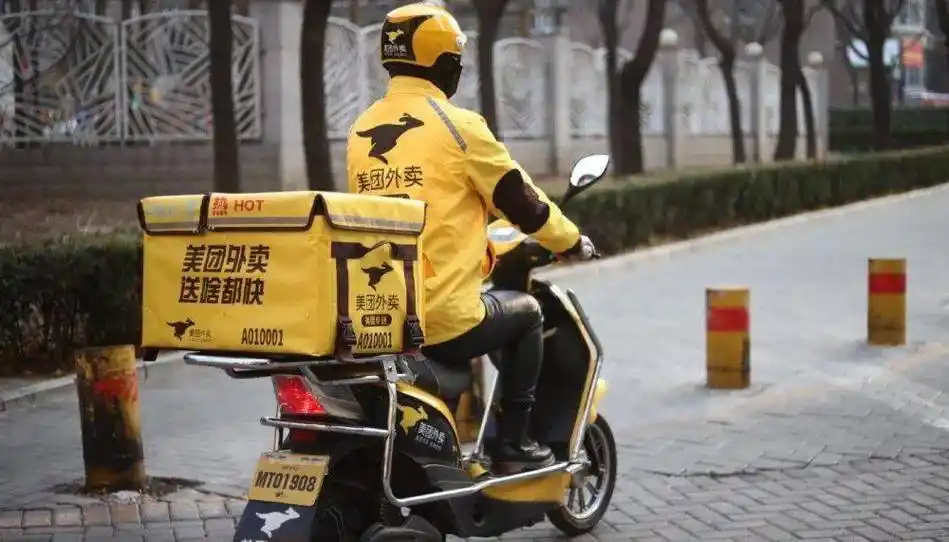
In large cities, it is common to see riders wearing the yellow uniforms of Meituan or the blue uniforms of Ele.me.
Most use electric scooters, which are ideal for navigating busy urban streets.
Because they make deliveries all day, they know local roads, apartment complexes, and office buildings extremely well.
Everything Is Designed for Speed
China’s delivery ecosystem has evolved around efficiency.
Restaurants often have separate counters dedicated to delivery orders.
Apartment buildings usually include designated pickup areas.
Office towers often have shelves or lockers for deliveries.
Some shopping malls even have pickup stations specifically for delivery riders.
All of these small improvements save valuable time.
It’s Not Just Meals
One thing that surprises many visitors is that food delivery apps do much more than deliver food.
Depending on the city, you can also order:
- Fresh fruit
- Groceries
- Coffee
- Bubble tea
- Flowers
- Medicine
- Electronics
- Daily necessities
In many places, these items can arrive in less than an hour.
How Does It Compare With the US?
In the United States, services like Uber Eats, DoorDash, and Grubhub have transformed food delivery.
However, the operating environment is different.
Cities are generally less dense, driving distances are longer, and restaurants are more spread out.
Many deliveries are completed by car rather than electric scooter, which can be slower in congested urban areas and less efficient for short-distance orders.
As a result, delivery times in the US are often longer than in China’s largest cities.
Why Visitors Find It So Impressive
Many tourists are surprised not only by the speed but also by how deeply delivery services are integrated into everyday life.
It’s common to see office workers ordering lunch, families having dinner delivered, or students receiving late-night snacks—all with just a few taps on their phones.
For many people living in China, food delivery isn’t an occasional convenience. It’s a normal part of daily life.
Final Thoughts
China’s incredibly fast food delivery system isn’t the result of a single innovation.
It’s the combination of dense cities, advanced technology, mobile payments, efficient logistics, and consumer habits that has created one of the world’s most sophisticated delivery networks.
For visitors, ordering food in China is more than just getting a meal.
It’s a glimpse into how technology has reshaped everyday life—and one of the easiest ways to experience modern China in action.