



One of the biggest surprises for first-time visitors to China isn’t the high-speed trains or the modern skylines.
It’s how rarely people use cash.
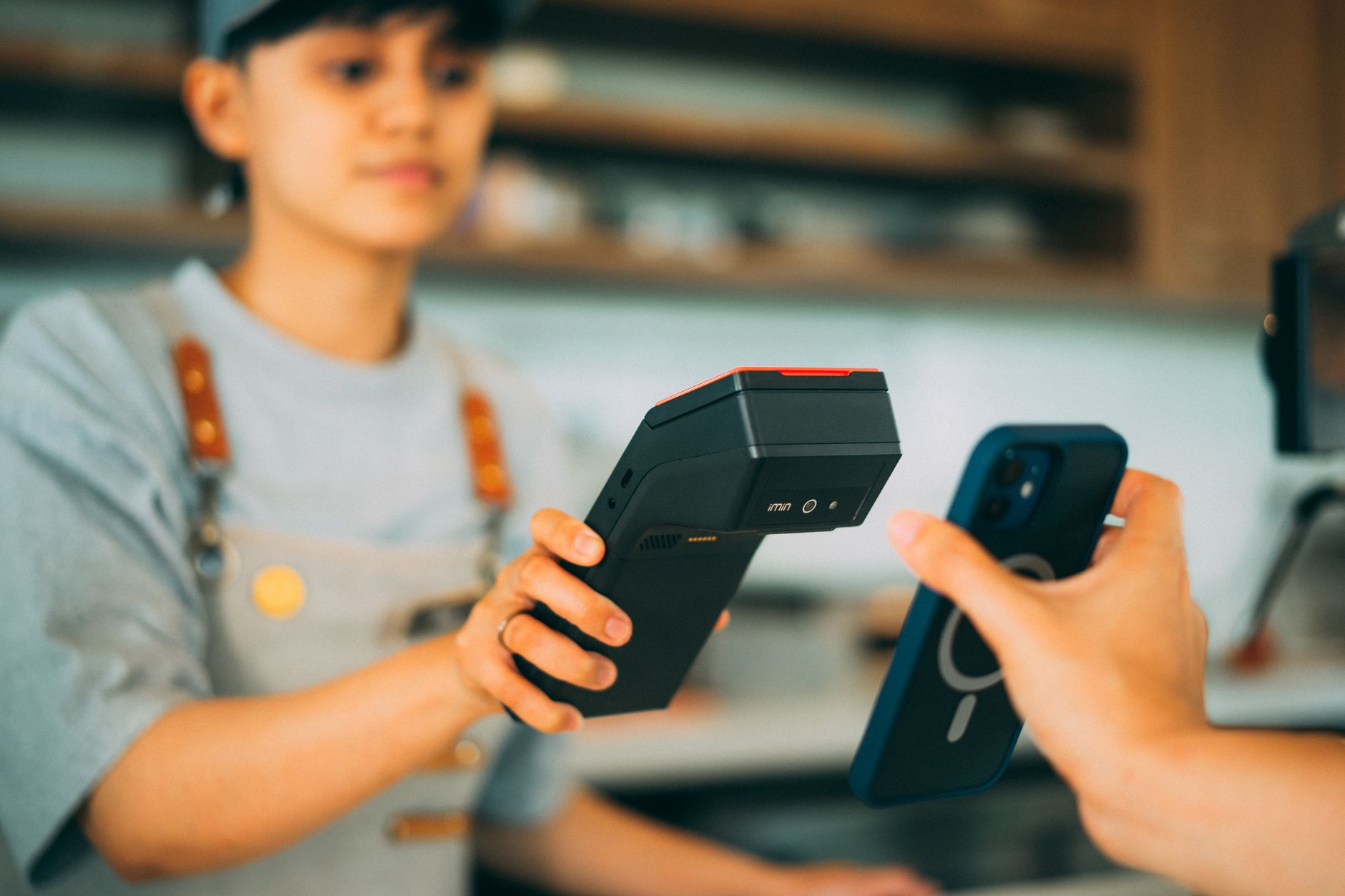
Whether you’re buying a bottle of water, paying for lunch, taking a taxi, or shopping at a street market, chances are you’ll see people simply scanning a QR code with their phones.
In many parts of China, paying with a smartphone has become so normal that carrying a wallet is no longer essential.
So why are mobile payments so popular in China?
From Cash to QR Codes
Only a little more than a decade ago, cash was still the most common way to pay in China.
Today, the situation is very different.
Most people use two mobile payment platforms:
- Alipay
- WeChat Pay
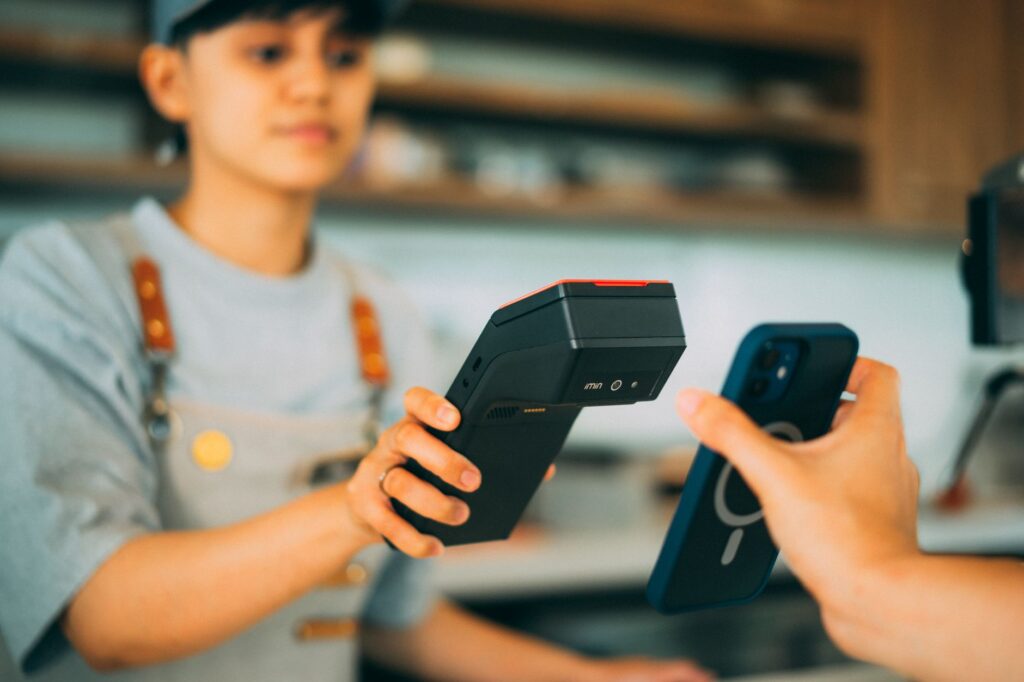
Instead of swiping a bank card or handing over cash, customers simply scan a QR code or let the merchant scan one displayed on their phone.
The entire process usually takes only a few seconds.
Why QR Codes Became So Successful
Unlike some countries that built their payment systems around credit cards, China embraced QR codes as smartphones became widespread.
QR code payments were inexpensive for businesses to adopt because they required little more than a printed code or a simple payment terminal.
For small shops, restaurants, fruit stalls, and even street vendors, accepting digital payments became both affordable and convenient.
As a result, mobile payments spread rapidly across cities and later into smaller towns.
You Can Pay Almost Anywhere
One reason visitors are so impressed is how widely mobile payments are accepted.
In China, it’s common to use your phone to pay for:
- Coffee
- Restaurants
- Supermarkets
- Convenience stores
- Taxis
- High-speed rail tickets
- Subway rides
- Museums
- Street food
- Vending machines
Even small family-run businesses often accept digital payments.
More Than Just Paying
In China, mobile payment apps are more than digital wallets.
Many people also use them to:
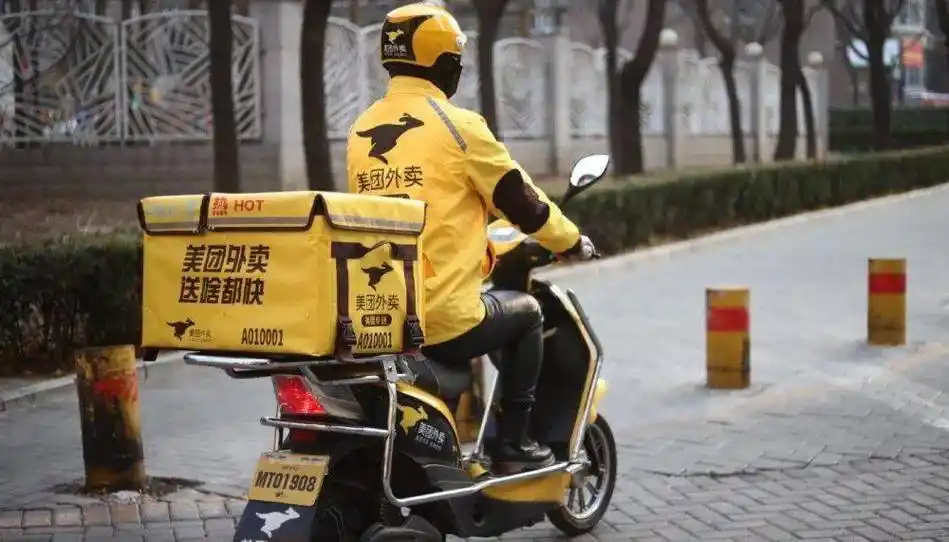
- Order food delivery
- Book taxis
- Buy train tickets
- Pay utility bills
- Split restaurant bills
- Shop online
- Make charitable donations
- Reserve movie tickets
This integration makes smartphones an essential part of daily life.
Why It Fits China’s Fast-Paced Lifestyle
China’s large cities move quickly.
People often expect services to be convenient and efficient.
Mobile payments fit naturally into this environment.
Instead of waiting for change or inserting a bank card, people simply scan, confirm, and continue with their day.
The entire process is designed to reduce waiting time.
Is China Completely Cashless?
Not entirely.
The Chinese yuan remains legal tender, and businesses are generally required to accept cash.
However, in practice, many people rarely use it because mobile payments are so convenient.
For visitors, this means it’s still a good idea to carry some cash, but you’ll quickly notice that most locals prefer paying with their phones.
What About Tourists?
Traveling in China has become much easier for international visitors.
Both Alipay and WeChat Pay now support many overseas bank cards, allowing tourists from numerous countries to use mobile payments during their stay.
That means visitors can often pay the same way local residents do—by scanning a QR code.
Even so, it’s wise to set up your payment apps before your trip and keep a backup payment method just in case.
Why Foreign Visitors Find It So Impressive
Many travelers say mobile payments change how they experience China.
Instead of worrying about cash or coins, they can focus on enjoying the trip.
Ordering food, taking public transport, shopping, and visiting attractions all become faster and more convenient.
For many people, it feels like stepping into the future—not because the technology is complicated, but because it has become such a seamless part of everyday life.
Final Thoughts
China’s mobile payment revolution didn’t happen overnight.
It grew from the combination of widespread smartphone use, simple QR code technology, and the integration of digital services into everyday life.
Today, paying with a phone is not just a modern convenience—it has become the default way many people interact with shops, restaurants, transport, and countless other services.
For travelers, using mobile payments is one of the easiest ways to experience modern China.
Sometimes, all it takes is a quick scan to see how everyday life has changed.