

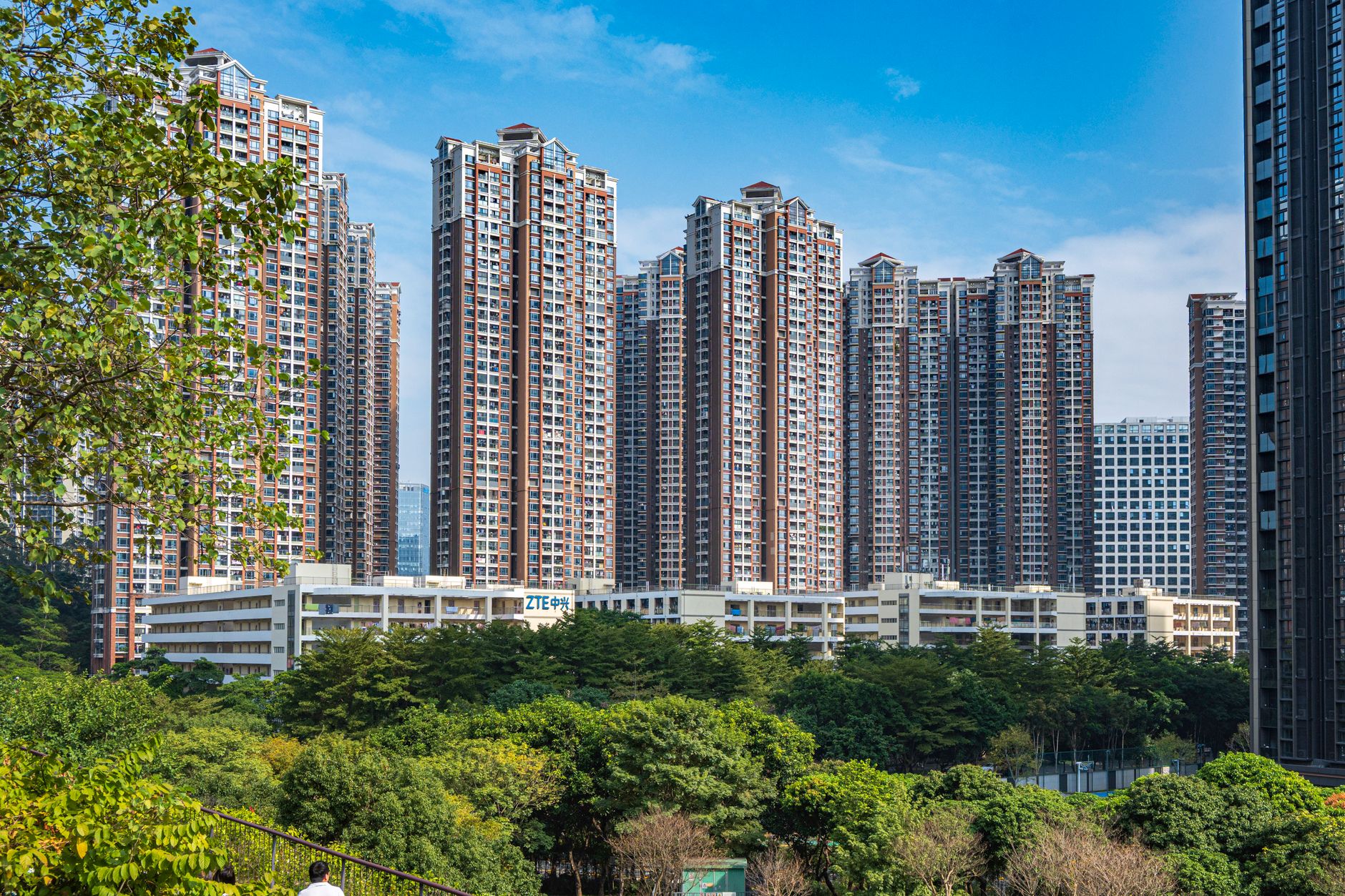
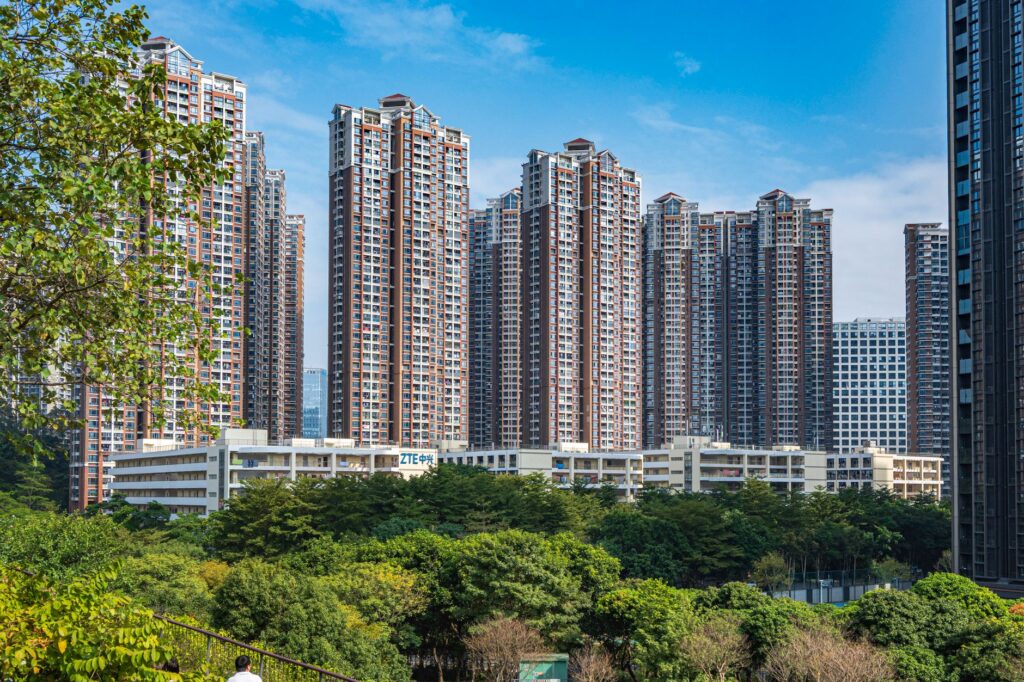
For many foreign visitors, one of the first things they notice in China is that apartment complexes seem to look remarkably alike.
Whether you are in Beijing, Guangzhou, Chengdu, Changsha, or a smaller city hundreds of miles away, you will often find clusters of tall residential towers surrounded by walls, security gates, landscaped gardens, and community facilities. While each development may have a different name, the overall layout often feels familiar.
Why is this the case? The answer lies in China’s rapid urbanization, housing reforms, and a unique way of organizing urban life.
The Great Urbanization of China
Over the past four decades, China has experienced one of the largest urban migrations in human history.
Since the 1980s, hundreds of millions of people have moved from rural areas to cities in search of jobs and opportunities. To accommodate this enormous population shift, cities needed housing on a scale rarely seen elsewhere.
Rather than building endless rows of detached houses, Chinese cities chose a high-density model based on apartment towers. This approach allowed local governments to house large populations while preserving valuable land.
As a result, residential towers became the standard form of housing throughout much of urban China.
The Rise of the Residential Compound
Unlike many Western cities where apartment buildings stand directly along public streets, Chinese housing developments are often built as self-contained communities.
Known as “xiaoqu” (小区), these residential compounds typically include:
- Security gates
- Property management offices
- Internal roads
- Gardens and green spaces
- Children’s playgrounds
- Convenience stores
- Parking facilities
Many compounds function almost like small neighborhoods within the city.
This model became popular because it provides security, convenience, and centralized property management for residents.
Why Developers Use Similar Designs
Another reason Chinese apartment complexes look alike is that developers often follow similar construction models.
Large real estate companies build projects in dozens of cities across the country. To reduce costs and speed up construction, they frequently reuse successful designs, layouts, and architectural concepts.
Common features include:
- Multiple high-rise towers
- Central landscaped gardens
- Underground parking
- Controlled entrances
- Standardized apartment layouts
The result is a recognizable style that appears throughout urban China.
Land Policies Shape City Design
China’s land ownership system also plays an important role.
Urban land is owned by the state and leased to developers for specific periods. Local governments often sell large parcels of land for residential development.
Because entire districts may be planned at once, developers tend to create large, integrated compounds rather than individual buildings scattered across neighborhoods.
This contributes to the uniform appearance seen in many cities.
A Different Lifestyle from Suburban Living
For many Western visitors, Chinese apartment living may seem unusual.
In countries such as the United States, detached houses with private yards are common in suburban areas. In contrast, most urban Chinese families live in apartments.
However, Chinese residential compounds often compensate by providing shared amenities such as:
- Community parks
- Exercise equipment
- Walking paths
- Basketball courts
- Public gathering spaces
These shared facilities encourage social interaction and create a strong sense of community.
Are All Chinese Apartment Complexes the Same?
Not exactly.
Older neighborhoods built in the 1980s and 1990s often look very different from modern developments.
Luxury projects may include:
- Clubhouses
- Swimming pools
- Smart security systems
- Premium landscaping
Meanwhile, historic districts and traditional neighborhoods preserve architectural styles that reflect local culture.
Still, the overall concept of the gated residential compound remains one of the defining features of urban China.
Conclusion
Chinese apartment buildings may appear similar at first glance, but they reflect a unique combination of rapid urbanization, government planning, land policies, and community-centered living.
What many foreigners see as repetitive architecture is actually the result of one of the most ambitious urban housing transformations in modern history. Understanding these residential compounds offers valuable insight into how millions of Chinese people live, work, and build communities in today’s China.