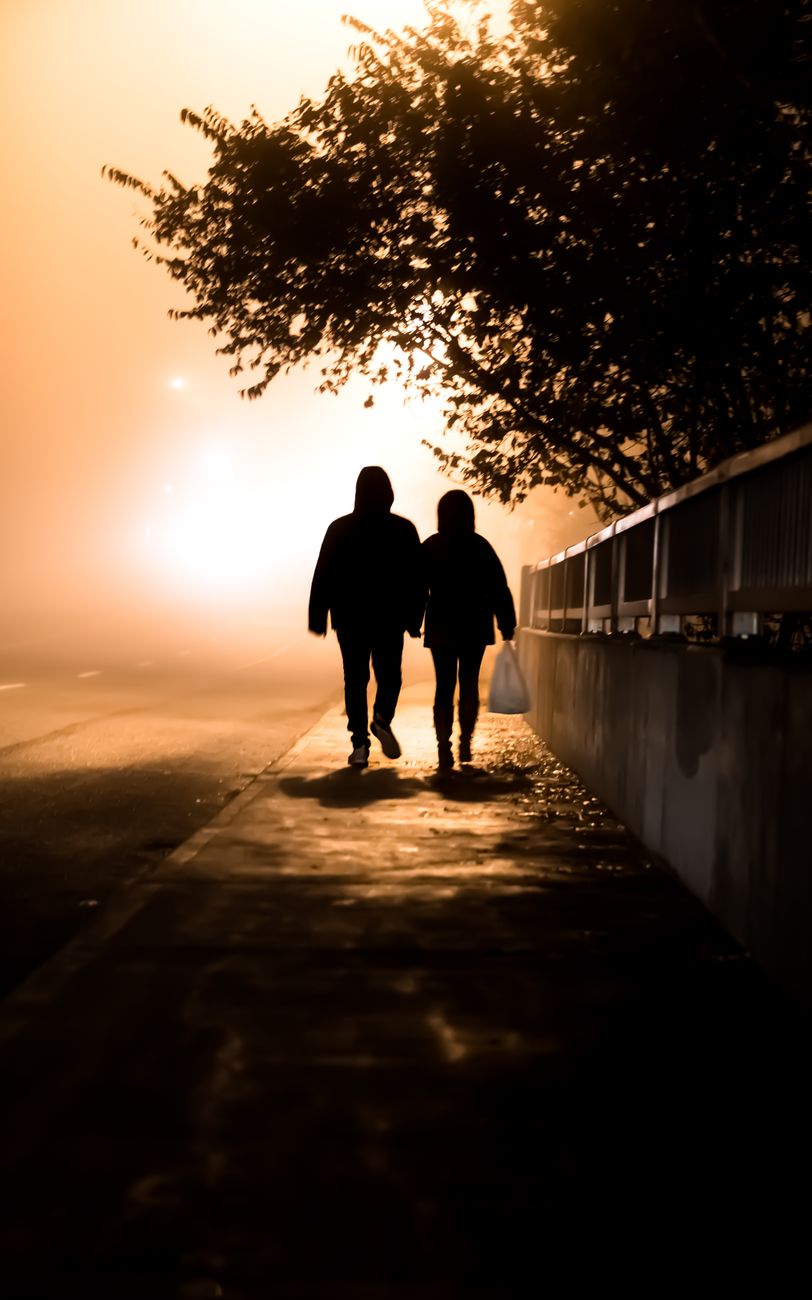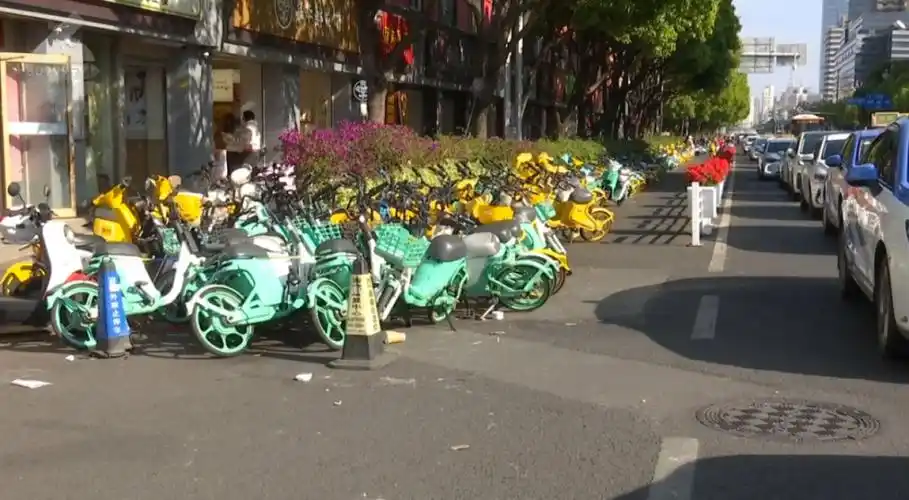

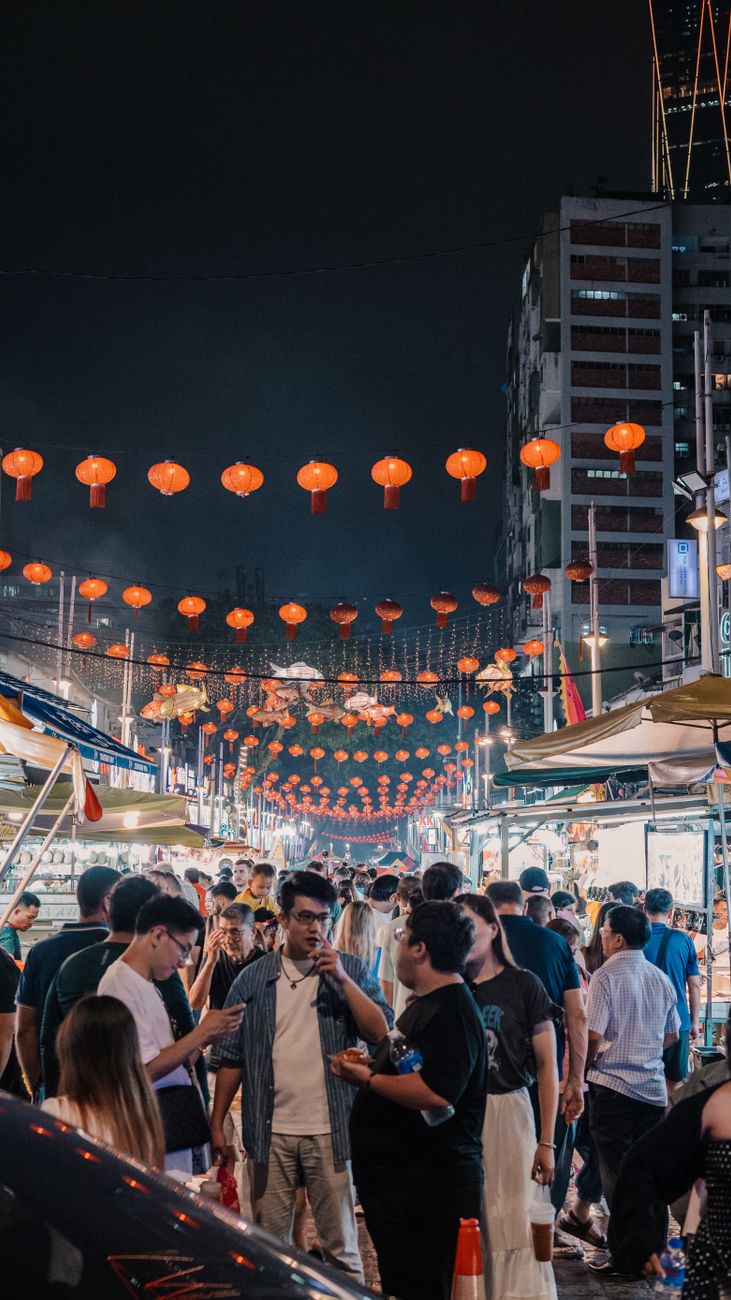
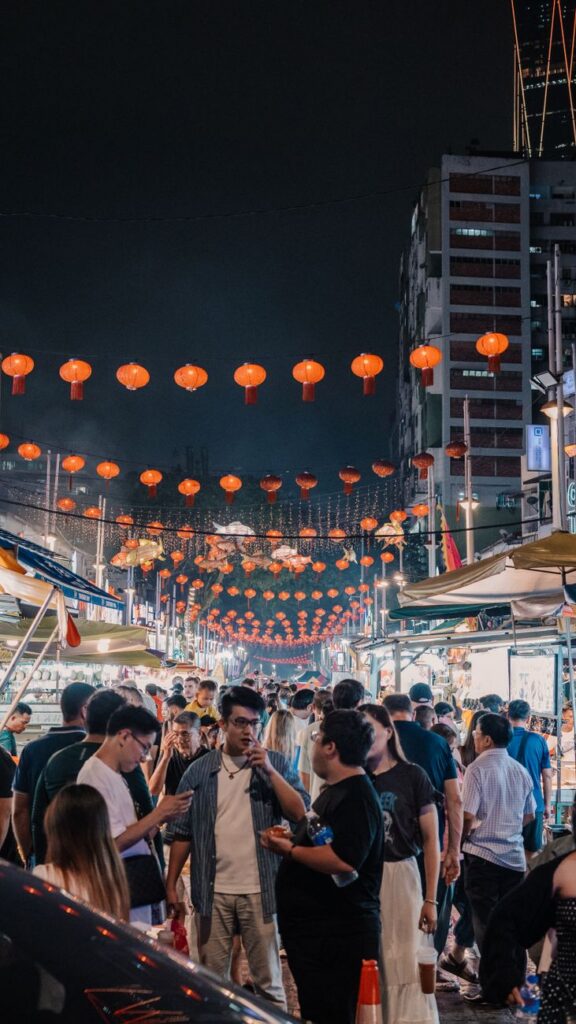
For many first-time visitors, one thing about China can be surprising: the cities seem to stay awake long after midnight.
At 10 p.m., restaurants are still full.
At 11 p.m., people are shopping in convenience stores.
At midnight, food delivery riders are still making deliveries.
Even at 1 a.m., you can often find groups of friends eating barbecue, drinking milk tea, or walking through brightly lit streets.
In many countries, city centers become quiet after dark. In China, however, many urban areas remain lively deep into the night.
Why?
Eating Late Is Part of Chinese Culture
One of the biggest reasons is food.
Chinese social life is strongly connected to eating together.
After work, people often gather for:
- Hotpot
- Barbecue
- Seafood
- Late-night noodles
- Street food
Unlike in some countries where dinner may end by 7 p.m., many Chinese social meals begin much later.
It is common for friends to meet at 8 p.m. or even 9 p.m., meaning restaurants remain busy well into the night.
China’s Night Economy Is Huge
In recent years, many cities have actively promoted what is known as the “night economy.”
Local governments encourage:
- Night markets
- Food streets
- Evening shopping
- Cultural performances
- Entertainment districts
The goal is simple: more nighttime activity means more spending, jobs, and economic growth.
As a result, many commercial areas are specifically designed to attract visitors after sunset.
Food Delivery Never Stops
China’s delivery culture is one of the most developed in the world.
Through apps such as:
- Food delivery platforms
- Grocery delivery services
- Convenience store delivery
people can order almost anything at nearly any hour.
Late-night cravings no longer require leaving home.
This has created a city environment where businesses continue operating long after traditional closing times.
High Population Density Creates Demand
Chinese cities are densely populated.
A single residential community may contain thousands of residents.
Even late at night, there are enough potential customers nearby to support:
- Restaurants
- Convenience stores
- Bubble tea shops
- Snack vendors
Because demand remains high, businesses have strong incentives to stay open.
Public Spaces Stay Active After Dark
Unlike some countries where public life slows dramatically at night, Chinese cities often remain active.
After dinner, many people head outdoors to:
- Walk in parks
- Exercise
- Dance in public squares
- Meet friends
- Shop
Summer evenings are especially lively because many people prefer being outside after temperatures cool down.
In some neighborhoods, the busiest time of day may actually be after sunset.
Safety Encourages Nighttime Activity
Another factor frequently mentioned by visitors is the feeling of safety.
Many Chinese cities have:
- Well-lit streets
- Busy commercial districts
- Constant pedestrian activity
Because large numbers of people remain outside at night, public spaces often feel active and secure.
This encourages even more nighttime participation.
Young People Have Different Schedules
Modern urban lifestyles also play a role.
Many young professionals:
- Work late
- Exercise after work
- Meet friends at night
- Shop online late in the evening
For them, nighttime often becomes the primary time for socializing and relaxation.
As a result, businesses have adapted to serve customers whose day effectively continues long after office hours end.
Not Every City Is the Same
Of course, China is enormous.
A major city such as Shanghai or Chengdu may remain active past midnight, while smaller cities and rural areas tend to become quiet much earlier.
However, compared with many countries, China’s urban centers are generally known for their unusually vibrant evening atmosphere.
Conclusion
Chinese cities never really sleep because modern urban life extends far beyond traditional working hours.
A combination of food culture, high population density, active public spaces, delivery services, and a thriving night economy has created cities that remain energetic long after dark.
For visitors, this lively nighttime atmosphere offers a fascinating glimpse into modern Chinese life—one where the city often feels just as alive at midnight as it does at noon.