




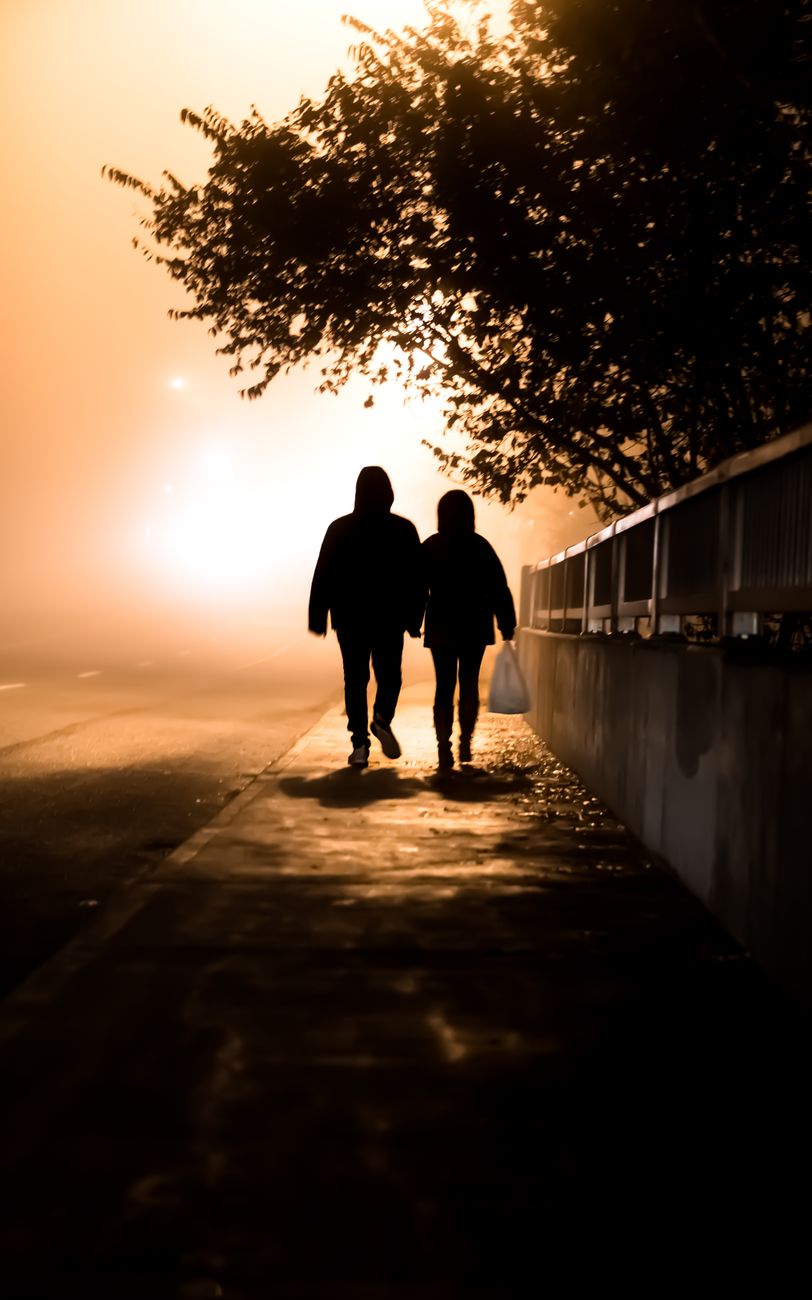
Visit almost any Chinese city between 7 p.m. and 9 p.m., and you’ll notice a familiar scene.
Parks are crowded.
Residential communities are full of people strolling along walking paths.
Couples walk hand in hand.
Parents push strollers.
Retirees chat with neighbors.
Some people simply walk in circles around their apartment complex.
To many foreigners, it may seem unusual that so many people go for a walk immediately after dinner.
But in China, this is one of the most common daily habits.
So why do Chinese people love walking after dinner?
“Walk After Meals” Has Deep Cultural Roots
Many Chinese people grow up hearing a famous saying:
“After a meal, walk a hundred steps and live to ninety-nine.”
Known in Chinese as:
饭后百步走,活到九十九
While modern medicine may debate the exact science behind the saying, the message is clear:
Moderate movement after eating is believed to promote health and longevity.
For generations, this idea has been passed down through families and remains deeply embedded in everyday life.
Exercise Doesn’t Always Mean Going to the Gym
In many Western countries, exercise is often associated with:
- Gyms
- Running
- Sports
- Fitness programs
In China, especially among older generations, physical activity is often viewed differently.
People may not consider themselves “working out,” but they still engage in daily movement through:
- Walking
- Dancing
- Tai Chi
- Outdoor exercise equipment
An evening walk is seen as an easy, accessible way to stay active without requiring special equipment or training.
Residential Communities Encourage Walking
China’s urban design also plays an important role.
Most city residents live in gated residential compounds known as xiaoqu (小区).
These communities often include:
- Walking paths
- Gardens
- Courtyards
- Exercise areas
- Public squares
Unlike car-dependent suburbs in some countries, many Chinese neighborhoods are designed to encourage walking.
After dinner, residents can simply step outside and begin strolling within a safe, familiar environment.
Walking Is a Family Activity
Evening walks are often about more than exercise.
They are also family time.
Many families use the walk as an opportunity to:
- Talk about their day
- Spend time together
- Accompany children outdoors
- Visit nearby shops
In a society where work and school can be demanding, a simple walk provides valuable time for connection.
Social Life Happens Outdoors
For older adults especially, evening walks are highly social.
A walk through a Chinese park might include:
- Meeting neighbors
- Watching children play
- Joining a dance group
- Practicing Tai Chi
- Chatting with friends
In some communities, the evening walk functions almost like a daily social gathering.
People are not just exercising—they are participating in community life.
Chinese Cities Come Alive After Sunset
Another reason for the popularity of evening walks is the timing.
In many parts of China, especially during summer, daytime temperatures can be extremely high.
The evening offers:
- Cooler weather
- More comfortable conditions
- Beautiful lighting
- A relaxed atmosphere
As a result, many people prefer outdoor activities after dinner rather than during the day.
A Habit Shared Across Generations
One of the most interesting aspects of this tradition is how universal it is.
You may see:
- Grandparents walking with grandchildren
- Young couples taking a stroll
- Office workers relaxing after work
- Entire families enjoying an evening outing
Few daily habits in China are shared so widely across different age groups.
Walking Reflects a Broader Chinese View of Health
Traditional Chinese ideas about health often emphasize balance and moderation.
Rather than intense exercise alone, many people believe in:
- Consistent daily activity
- Good eating habits
- Adequate rest
- Emotional well-being
The evening walk fits perfectly into this philosophy.
It is simple, sustainable, and easy to maintain throughout life.
Conclusion
Chinese people love walking after dinner because it combines health, family, community, and tradition into a single daily routine.
What may appear to be a simple stroll is actually a reflection of deeper cultural values—moderation, social connection, and the belief that small healthy habits can contribute to a long and fulfilling life.
For visitors to China, joining an evening walk is one of the easiest ways to experience everyday Chinese life firsthand.