


Walk through a tourist attraction in China today, and you may see something unexpected.
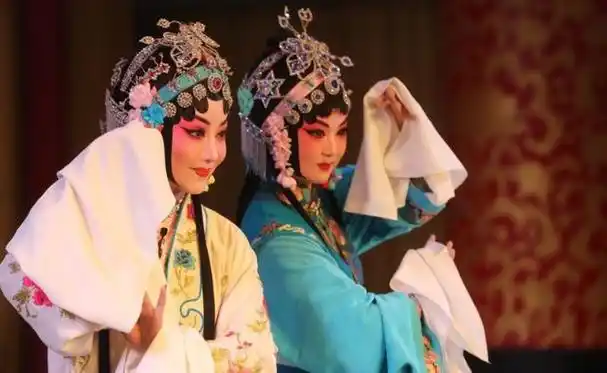
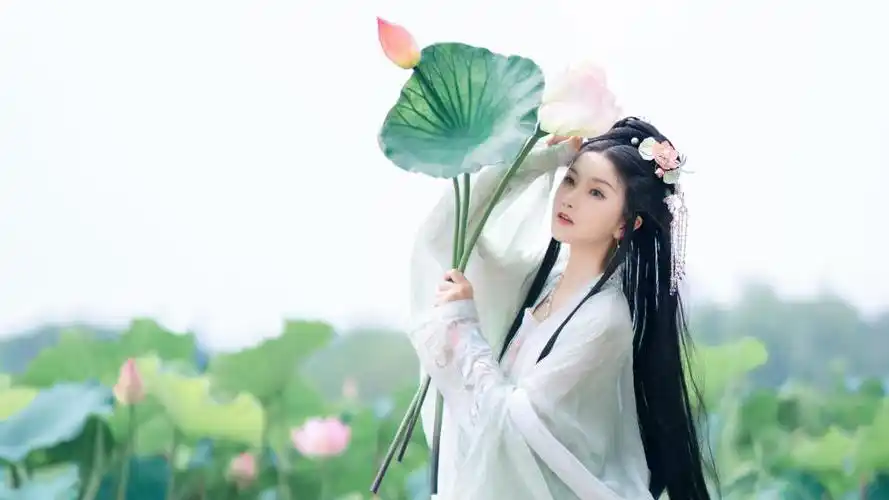
Young people dressed in flowing robes, embroidered skirts, and elegant garments that look as if they stepped out of an ancient Chinese painting.
At first glance, many foreign visitors assume they are actors, historical reenactors, or performers.
But most are ordinary people wearing Hanfu, a traditional style of Chinese clothing that has experienced a remarkable revival in recent years.
So why are millions of young Chinese suddenly interested in clothing from centuries ago?
What Is Hanfu?
Hanfu literally means “Han clothing.”
It refers to the traditional clothing worn by the Han Chinese, China’s largest ethnic group, before the Qing Dynasty (1644–1912).
Unlike modern Western-style clothing, Hanfu is characterized by:
- Flowing robes.
- Wide sleeves.
- Crossed collars.
- Long skirts or robes.
- Elegant silk fabrics.
For thousands of years, Hanfu was the dominant style of dress in China and influenced clothing traditions across East Asia, including Japan, Korea, and Vietnam.
Why Did Hanfu Disappear?
Many people are surprised to learn that Hanfu was not continuously worn throughout Chinese history.
After the Qing Dynasty was established in 1644, the ruling Manchu government introduced new clothing styles and hairstyles.
Over time, traditional Hanfu gradually disappeared from everyday life.
By the early twentieth century, modern Western-style clothing had become increasingly common, and Hanfu largely survived only in paintings, historical records, and cultural performances.
For decades, few people wore it outside museums or historical dramas.
The Hanfu Revival Movement
Everything began to change in the early 2000s.
A growing number of young Chinese started questioning why traditional Chinese clothing had disappeared while countries such as Japan and South Korea continued to celebrate their own traditional dress.
This led to what is now known as the Hanfu Movement.
Supporters sought to revive interest in traditional Chinese clothing and promote awareness of Chinese cultural heritage.
What began as a small online community has grown into a nationwide cultural phenomenon.
Why Is Hanfu So Popular Among Young People?
The answer goes beyond fashion.
For many wearers, Hanfu represents a connection to history and cultural identity.
Young people often describe Hanfu as:
- A way to explore traditional culture.
- A form of self-expression.
- A celebration of Chinese aesthetics.
- An alternative to globalized fashion trends.
Social media platforms have also played a major role in popularizing Hanfu.
Photoshoots in historic towns, gardens, and ancient temples have attracted millions of views online.
Is Hanfu Historically Accurate?
Not always.
This is one of the most interesting aspects of the modern Hanfu movement.
Some enthusiasts carefully recreate historical garments based on archaeological discoveries and historical documents.
Others combine traditional elements with modern designs, creating clothing that is inspired by history rather than strictly authentic.
As a result, today’s Hanfu culture includes both historical reconstruction and contemporary fashion.
A Growing Industry
The popularity of Hanfu has created a rapidly expanding market.
Thousands of companies now design and sell Hanfu clothing, accessories, jewelry, and cosmetics.
Major cities regularly host Hanfu festivals, fashion shows, and cultural events.
Some estimates suggest that millions of Chinese consumers have purchased Hanfu in recent years, turning it into one of the fastest-growing segments of China’s fashion industry.
More Than Just Clothing
For many participants, Hanfu is part of a broader interest in traditional culture.
People who wear Hanfu often also explore:
- Chinese calligraphy.
- Traditional music.
- Tea culture.
- Classical poetry.
- Traditional festivals.
In this sense, Hanfu has become a gateway to learning about China’s cultural heritage.
Why Does Hanfu Matter Today?
The rise of Hanfu reflects a larger cultural trend in modern China.
As China becomes more globalized, many young people are also becoming more interested in their own history and traditions.
Rather than seeing tradition and modernity as opposites, they are finding ways to combine both.
Hanfu is one example of how ancient cultural practices can find new life in the modern world.
A Fashion Trend with Deep Roots
To outsiders, Hanfu may look like a costume from a historical drama.
But for millions of Chinese people, it is something more meaningful.
It is a way to reconnect with the past, express cultural pride, and celebrate traditions that have shaped Chinese civilization for thousands of years.
That is why Hanfu is not simply making a comeback—it is becoming part of contemporary Chinese culture once again.