


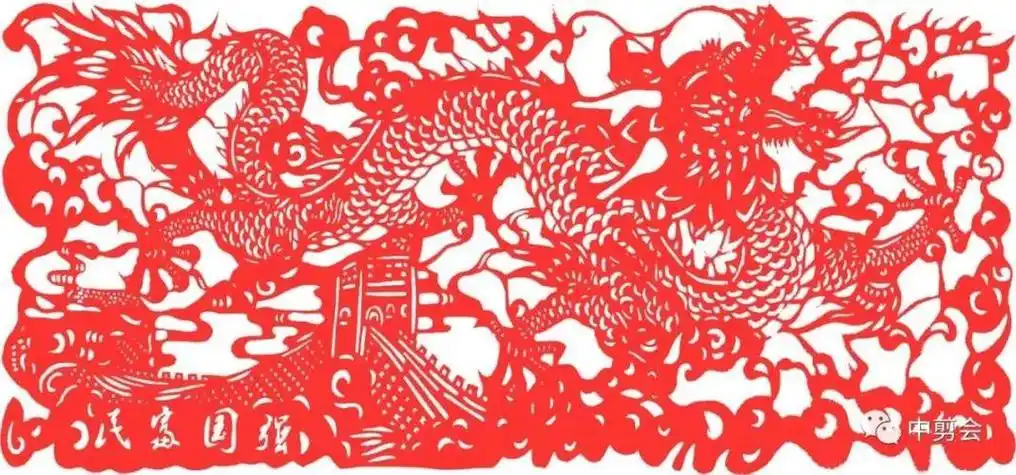
If you visit China during the Lunar New Year, you may notice intricate red paper designs decorating windows, doors, and walls. These beautiful artworks are known as Chinese paper cutting, one of the country’s oldest and most beloved folk arts.
With nothing more than a piece of paper and a pair of scissors, skilled artists create detailed images of animals, flowers, mythical creatures, and lucky symbols. For centuries, paper cutting has been an important part of Chinese celebrations and daily life.
A Tradition with a Long History
Chinese paper cutting dates back more than 1,500 years. The art form became popular after paper was invented during the Han Dynasty (206 BC–220 AD). As paper became more affordable, people began using it not only for writing but also for decoration.
Over time, paper cutting spread throughout China. Different regions developed their own styles, techniques, and patterns. Today, it remains an important cultural tradition and is recognized as part of China’s intangible cultural heritage.
Why Is Paper Cutting Usually Red?
The most common color used in Chinese paper cutting is red.
In Chinese culture, red symbolizes happiness, prosperity, good fortune, and celebration. During festivals such as the Lunar New Year and weddings, red paper cuttings are displayed to bring luck and ward off bad fortune.
Although modern artists sometimes use other colors, red remains the most traditional and recognizable choice.
Common Designs and Their Meanings
Chinese paper cuttings often contain symbolic images. Each design carries a special meaning.
Some popular motifs include:
- Fish, representing wealth and abundance.
- Dragons and phoenixes, symbolizing power and harmony.
- Peonies, representing prosperity and beauty.
- The twelve zodiac animals.
- The Chinese character “福” (Fu), meaning good fortune.
These symbols are often combined to create messages of happiness, success, and family unity.
How Are Paper Cuttings Made?
Traditional paper cuttings are created using scissors or small carving knives.
Artists usually fold several layers of paper together before cutting. When the paper is unfolded, a symmetrical pattern appears.
The process requires patience, precision, and years of practice. Master craftsmen can create incredibly detailed works that resemble lace or embroidery.
Paper Cutting During Chinese New Year
Paper cutting is especially important during the Lunar New Year.
Families decorate windows and doors with paper cuttings featuring lucky symbols, zodiac animals, and festive greetings. These decorations are believed to attract good fortune for the coming year.
In many rural areas, creating paper cuttings is still a cherished family tradition passed down from one generation to the next.
Is Chinese Paper Cutting Still Popular Today?
Despite modern technology, paper cutting remains popular in China.
Artists continue to create traditional designs, while younger generations experiment with contemporary themes. Museums, cultural festivals, and craft workshops help keep the tradition alive.
Many travelers also purchase paper cuttings as souvenirs because they represent a unique piece of Chinese culture that is both beautiful and meaningful.
A Window into Chinese Culture
Chinese paper cutting is more than a decorative craft. It reflects centuries of history, artistic creativity, and cultural symbolism.
A simple sheet of paper can tell stories about family, prosperity, nature, and tradition. That is why paper cutting continues to captivate people in China and around the world.
The next time you see a delicate red paper design in a Chinese window, remember that you are looking at an art form that has connected generations for more than a thousand years.