



For many foreigners, one of the most surprising aspects of Chinese marriage traditions is the exchange of gifts and money between families before a wedding.
In China, discussions about marriage often involve two important concepts:
- Caili (彩礼) – usually translated as “bride price” or “betrothal gifts.”
- Jiazhuang (嫁妆) – the dowry provided by the bride’s family.
While these customs have existed for thousands of years, they continue to influence modern marriages across China today.
To outsiders, the practice may seem unusual or even controversial. However, understanding the cultural background reveals that these traditions are about much more than money.
What Is Bride Price in China?
Bride price, known as Caili, refers to gifts or money presented by the groom’s family to the bride’s family before marriage.
Historically, the practice dates back more than two thousand years.
In ancient China, marriage was considered an alliance between two families rather than simply a union between two individuals. The exchange of gifts symbolized sincerity, respect, and commitment.
Traditional bride price might include:
- Silk
- Tea
- Jewelry
- Livestock
- Food
- Ceremonial gifts
Today, cash has become the most common form.
Why Do Chinese Families Give Bride Price?
Contrary to common stereotypes, bride price was not originally intended as a “purchase” of the bride.
Instead, it represented several important cultural values.
Respect for the Bride’s Family
The groom’s family demonstrates appreciation for the years of care and upbringing provided by the bride’s parents.
Commitment to Marriage
Providing bride price signals that the groom is serious about establishing a family.
Blessings for the Future
The gifts symbolize hopes for prosperity, fertility, and happiness.
In many communities, the exchange remains an important ceremonial step even when the amount is relatively modest.
What Is a Chinese Dowry?
The bride’s family traditionally responds with a dowry, known as Jiazhuang.
A dowry may include:
- Furniture
- Household appliances
- Jewelry
- Bedding
- Property
- Cash
Historically, a well-prepared dowry demonstrated the family’s support for their daughter as she entered married life.
In many regions, the value of the dowry can equal or even exceed the bride price.
The Symbolic Meaning of Wedding Gifts
Traditional wedding gifts often carry special meanings.
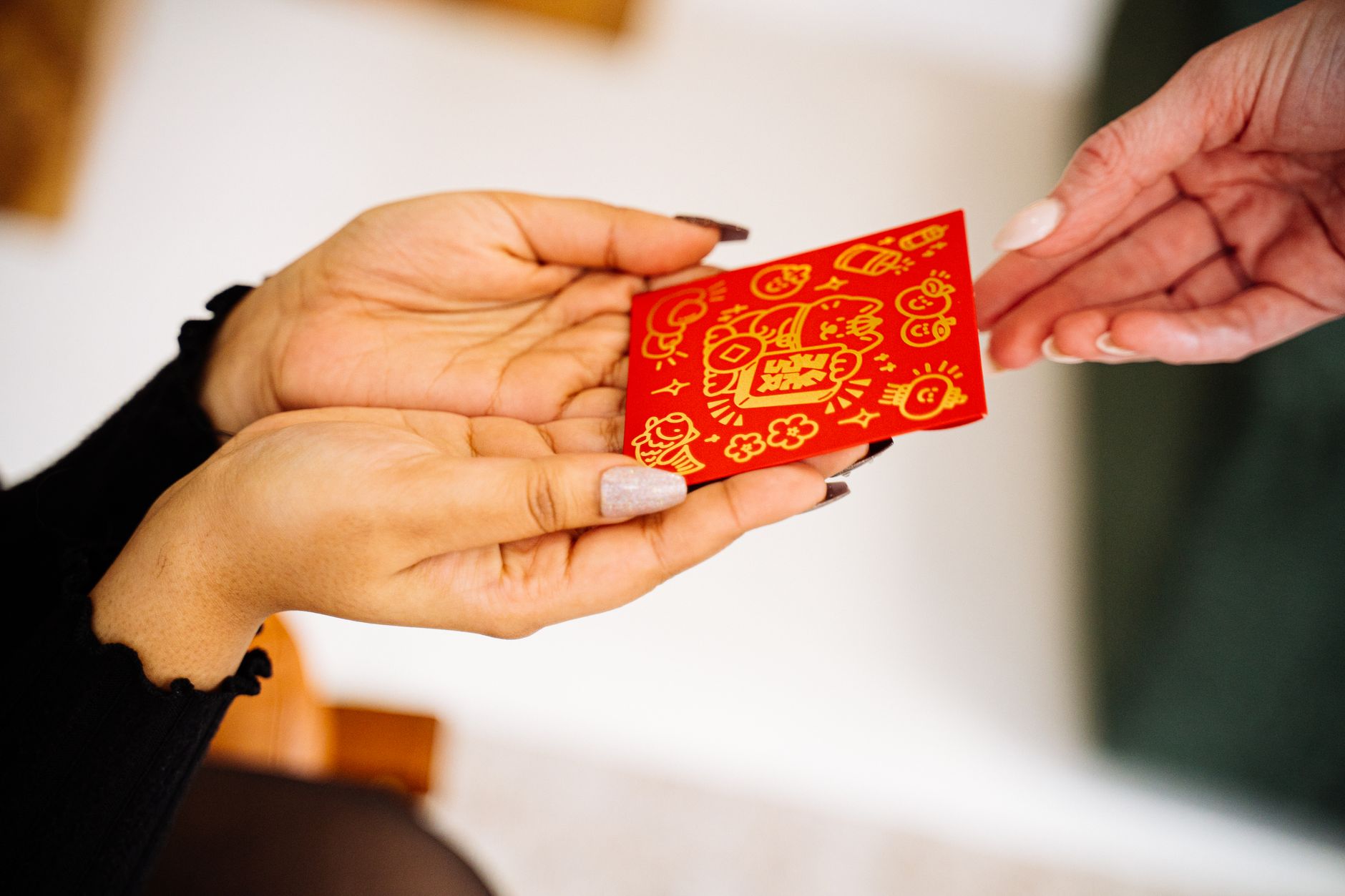
Red Envelopes
Red symbolizes happiness and good fortune.
Gold Jewelry
Gold represents wealth, security, and family prosperity.
Tea
Tea symbolizes respect and harmony between families.
Bedding and Household Items
These gifts express wishes for a comfortable and successful marriage.
Many items are selected because their names or symbolism are associated with good luck in Chinese culture.
How Bride Price Varies Across China
China is a vast country with significant regional differences.
Northern China
In some northern provinces, bride price can be relatively high and may attract public discussion.
Southern China
Many southern regions place greater emphasis on symbolic gifts and family ceremonies.
Urban Areas
In major cities, younger couples increasingly focus on practical financial planning rather than traditional expectations.
Rural Areas
Traditional customs often remain more influential, although practices vary widely from village to village.
There is no single national standard for bride price in China.
Is Bride Price Still Common Today?
Yes, but its role is changing.
Modern Chinese society has experienced rapid urbanization, higher education levels, and changing attitudes toward marriage.
Many young couples now prefer:
- Joint financial planning
- Shared property ownership
- Simplified ceremonies
- Symbolic gift exchanges
Nevertheless, bride price remains an important cultural tradition for many families.
Even when the amount is symbolic, the ceremony itself often carries deep emotional significance.
Common Misunderstandings About Chinese Bride Price
Myth 1: Families Are Selling Their Daughters
This is one of the most common misconceptions.
For most families, bride price represents tradition, respect, and family relationships rather than a commercial transaction.
Myth 2: Every Chinese Family Demands Large Payments
China’s customs vary enormously by region, income level, and personal preference.
Many families exchange only symbolic amounts.
Myth 3: The Tradition Is Unique to China
Similar marriage gift traditions exist in many parts of Asia, Africa, and Europe throughout history.
China’s version simply reflects its own cultural heritage.
How Younger Generations View the Tradition
Attitudes among younger Chinese are evolving.
Some couples embrace traditional customs as a way of honoring family heritage.
Others prefer more modern approaches.
Many families now negotiate arrangements that balance:
- Cultural expectations
- Financial realities
- Personal values
As a result, modern Chinese weddings often blend ancient traditions with contemporary lifestyles.
The Role of Family in Chinese Marriage
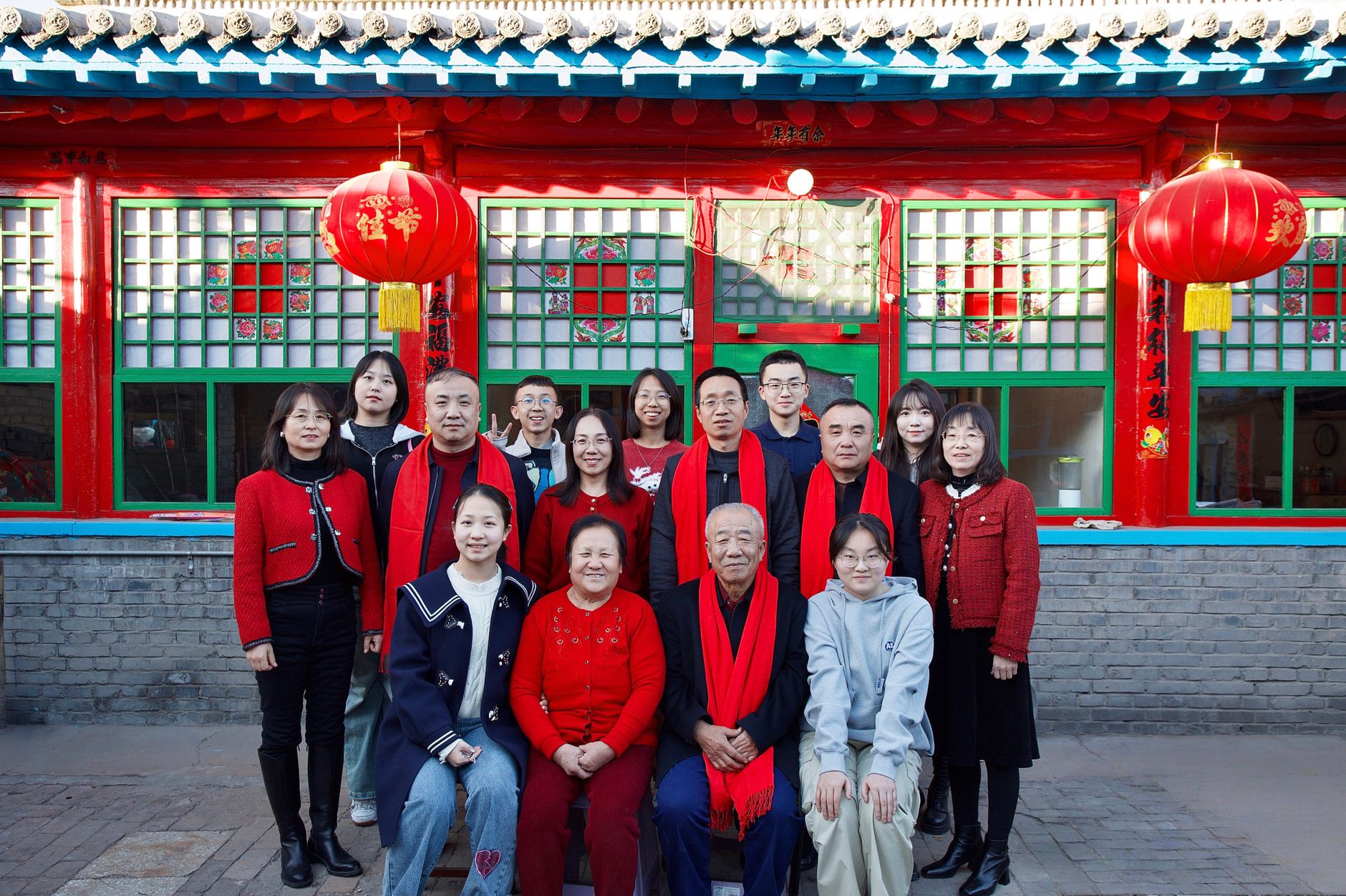
One reason bride price and dowry remain important is the traditional emphasis on family relationships.
In Chinese culture, marriage has long been viewed as a union of families rather than only a personal relationship between two individuals.
The exchange of gifts symbolizes:
- Mutual respect
- Family support
- Shared responsibility
- Long-term commitment
These values continue to shape wedding customs even as society changes.
Final Thoughts
Chinese bride price and dowry traditions have evolved dramatically over thousands of years, but their core purpose remains remarkably consistent.
They are not simply financial exchanges. They are cultural rituals that express gratitude, commitment, respect, and hopes for a prosperous future.
Whether the gifts are symbolic or substantial, they serve as a reminder that marriage in China has traditionally been about more than two people—it is also about the bond between families.
Understanding these customs offers valuable insight into one of the most enduring aspects of Chinese culture and family life.