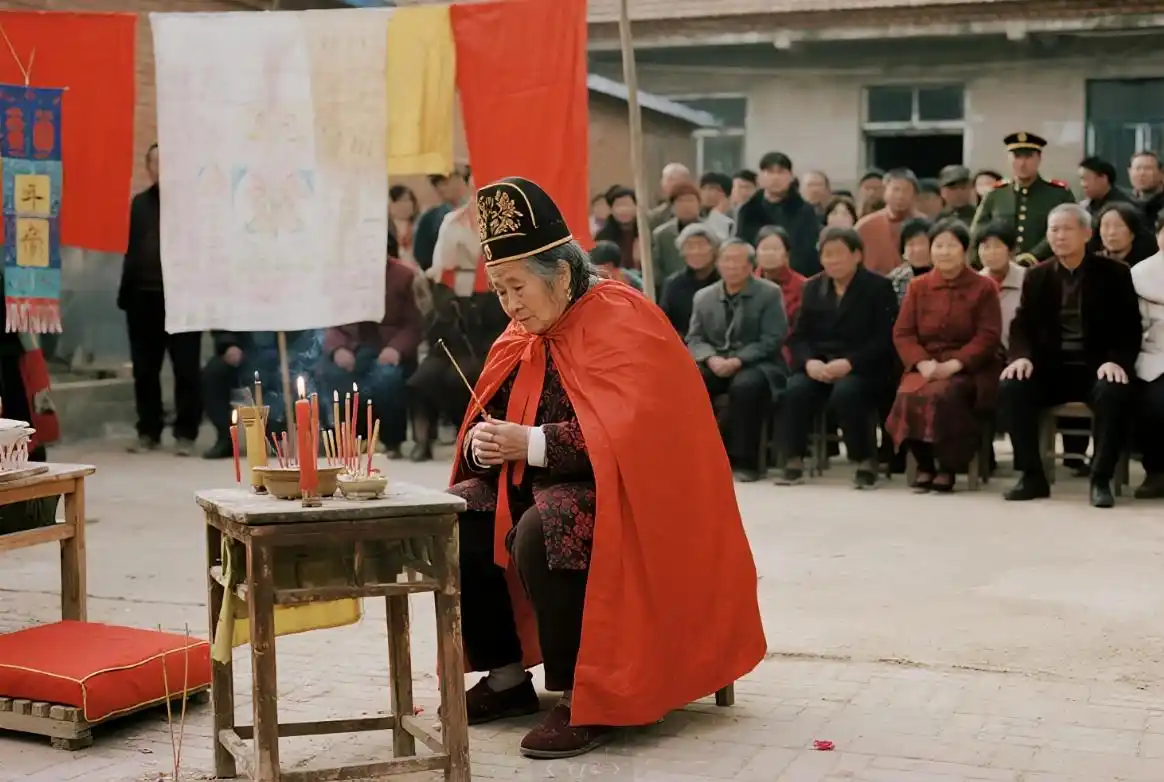




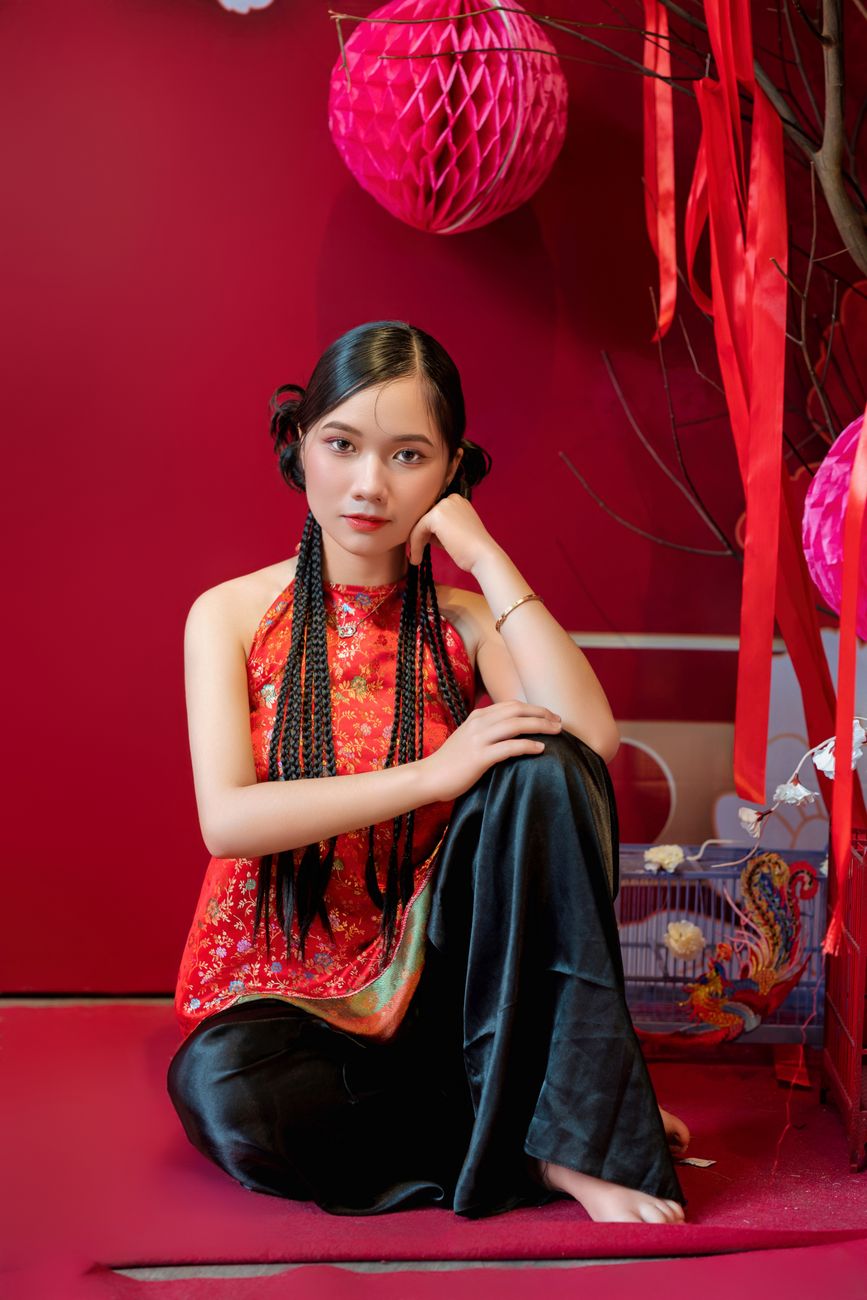

If you notice Chinese festivals, decorations, or celebrations, one color appears again and again: red.
From lanterns during Chinese New Year to wedding decorations and gift envelopes, red is everywhere in Chinese culture.
But this is not just a design choice. In China, red carries deep cultural meaning that has been passed down for thousands of years.
So why is red so important in Chinese culture?
Red Symbolizes Luck and Happiness
In Chinese tradition, red is closely associated with good luck, happiness, and positive energy.
People believe that the color red can bring good fortune and protect against bad luck.
This is why it is commonly used during important celebrations and life events.
A Color Connected to Festivals
Red is especially visible during major Chinese festivals, especially Chinese New Year.
During this time, red appears in:
- Lanterns
- Decorations
- Couplets on doors
- Clothing
- Gift envelopes
The widespread use of red creates a strong festive atmosphere and signals celebration and renewal.
The Meaning Behind Red Envelopes
One of the most well-known uses of red in China is the red envelope, or “hongbao”.
These envelopes are usually filled with money and given during Chinese New Year, weddings, and other special occasions.
The red color symbolizes good luck, while the money inside represents blessings and good wishes.
Red in Weddings and Important Events
Red is also the traditional color for Chinese weddings.
Brides often wear red dresses, and wedding decorations are heavily based on red tones.
This is because red is believed to bring happiness and a successful marriage.
It is also commonly used in birthdays and other important milestones.
Historical and Cultural Roots
The importance of red in Chinese culture comes from a long history of symbolism and belief systems.
In ancient times, red was associated with fire and vitality.
Over time, it became connected with positive meanings such as life, energy, and protection from negative forces.
These associations gradually became part of everyday cultural practice.
Red as Protection Against Bad Luck
In traditional beliefs, red is also seen as a protective color.
It is thought to ward off evil spirits and negative energy.
This is one reason why red decorations are so common during important transitions like the New Year.
Why Foreigners Notice It So Strongly
Visitors to China often notice that red is used much more frequently than in many Western cultures.
Common impressions include:
- Entire streets decorated in red during festivals
- Red lanterns everywhere in public spaces
- Red envelopes exchanged during celebrations
This strong visual presence makes red one of the most recognizable elements of Chinese culture.
Modern Use of Red in Daily Life
Even in modern China, red remains widely used beyond festivals.
It appears in:
- Branding and advertising
- Public decorations
- Event celebrations
- Traditional ceremonies
Although modern design trends have diversified, red still holds its cultural importance.
Final Thoughts
Red is more than just a color in Chinese culture.
It represents luck, happiness, celebration, and protection, and it continues to play an important role in both traditional and modern life.
From Chinese New Year decorations to weddings and gift-giving, red is deeply embedded in how people express joy and good wishes.
For many visitors, understanding the meaning of red is one of the first steps to understanding Chinese culture itself.