


If there is one time of year that truly brings China to a pause, it is Chinese New Year, also known as the Spring Festival.
It is not just a holiday. It is the most important traditional festival in the country, and for many families, it is the most meaningful time of the entire year.
Cities quiet down, people travel across the country to return home, and families gather for what is often the only time in the year when everyone sits together at the same table.
But why is Chinese New Year so important?
It Is a Family Reunion Festival
At its core, Chinese New Year is about family.
Millions of people working in cities return to their hometowns during this period, often traveling long distances just to spend a few days with their parents, grandparents, and relatives.
This mass movement of people is often called the largest annual migration in the world.
The most important moment is the reunion dinner on New Year’s Eve, when families sit together and share a large meal.
It Marks the Beginning of a New Year
Chinese New Year follows the lunar calendar, which is different from the Western calendar.
It marks the beginning of a new lunar year and is traditionally seen as a time to reset life, leave behind bad luck, and welcome new opportunities.
Many people use this period to reflect on the past year and hope for a better one ahead.
Traditional Customs Are Still Very Important
Even today, many traditional customs are still widely practiced during Chinese New Year.
These include:
- Cleaning the house before the festival
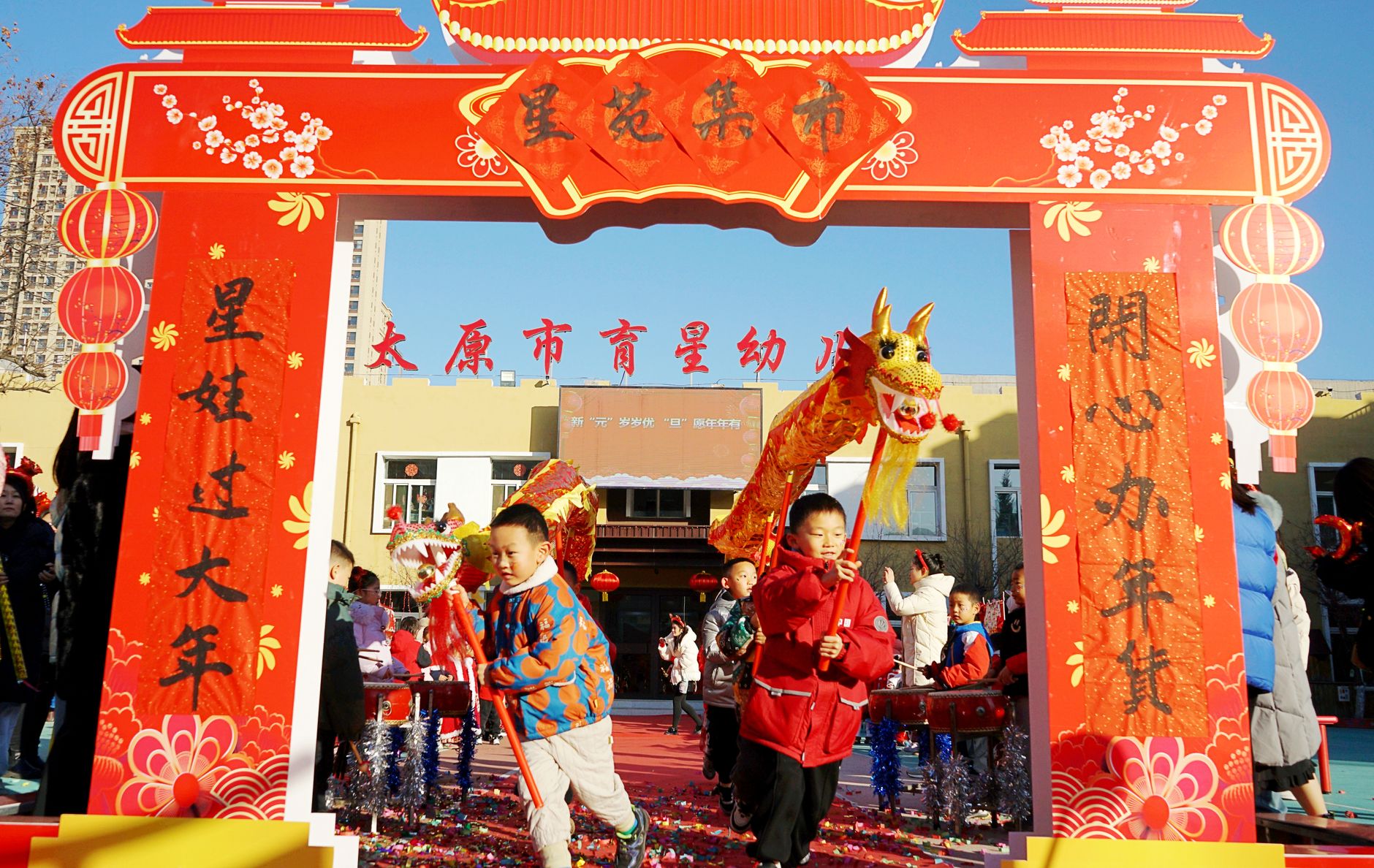
- Decorating homes with red couplets and lanterns
- Giving red envelopes with money
- Setting off fireworks in some regions
- Visiting relatives and friends
Each tradition carries symbolic meaning related to luck, happiness, and prosperity.
Why Red Is Everywhere During This Time
One of the most noticeable things during Chinese New Year is the color red.
Red is considered a lucky color in Chinese culture, symbolizing happiness, energy, and protection from bad luck.
During the festival, red appears everywhere—from decorations and clothing to envelopes and lanterns.
Food Plays a Central Role
Food is an essential part of the celebration.
Different regions have different traditional dishes, but many foods share symbolic meanings.
For example:
- Dumplings represent wealth and prosperity
- Fish represents abundance
- Rice cakes symbolize progress and growth
Meals during this period are not just about eating—they carry cultural meaning.
The Holiday Feels Like a Nationwide Pause
During Chinese New Year, many businesses close, factories pause production, and cities become noticeably quieter.
For a short period, the fast-paced rhythm of daily life slows down, allowing people to focus on family and tradition.
This contrast with normal life makes the festival even more significant.
Why Foreigners Find It Fascinating
Many foreign visitors are surprised by:
- How many people travel at the same time
- How long celebrations last
- How important family reunion is
- How deeply traditions are still followed
It is often described as one of the most culturally intense holidays in the world.
Modern Changes in Celebration
While traditions remain strong, modern technology has also changed how Chinese New Year is celebrated.
People now:
- Send digital red envelopes via mobile apps
- Video call family members
- Watch the Spring Festival Gala on TV or online
- Share greetings on social media
Even with these changes, the core meaning remains the same.
Final Thoughts
Chinese New Year is more than just a holiday. It is a cultural moment that connects family, tradition, and identity.
It represents reunion, renewal, and the passing of time in a deeply symbolic way.
For many Chinese people, no matter where they are in the world, this festival remains the most important time of the year.
It is not just about celebrating a new year—it is about going home.