



One of the first impressions many foreign visitors have when arriving in China is how clean the cities look.
From wide streets in major cities to residential neighborhoods and subway stations, cleanliness is something that stands out immediately.
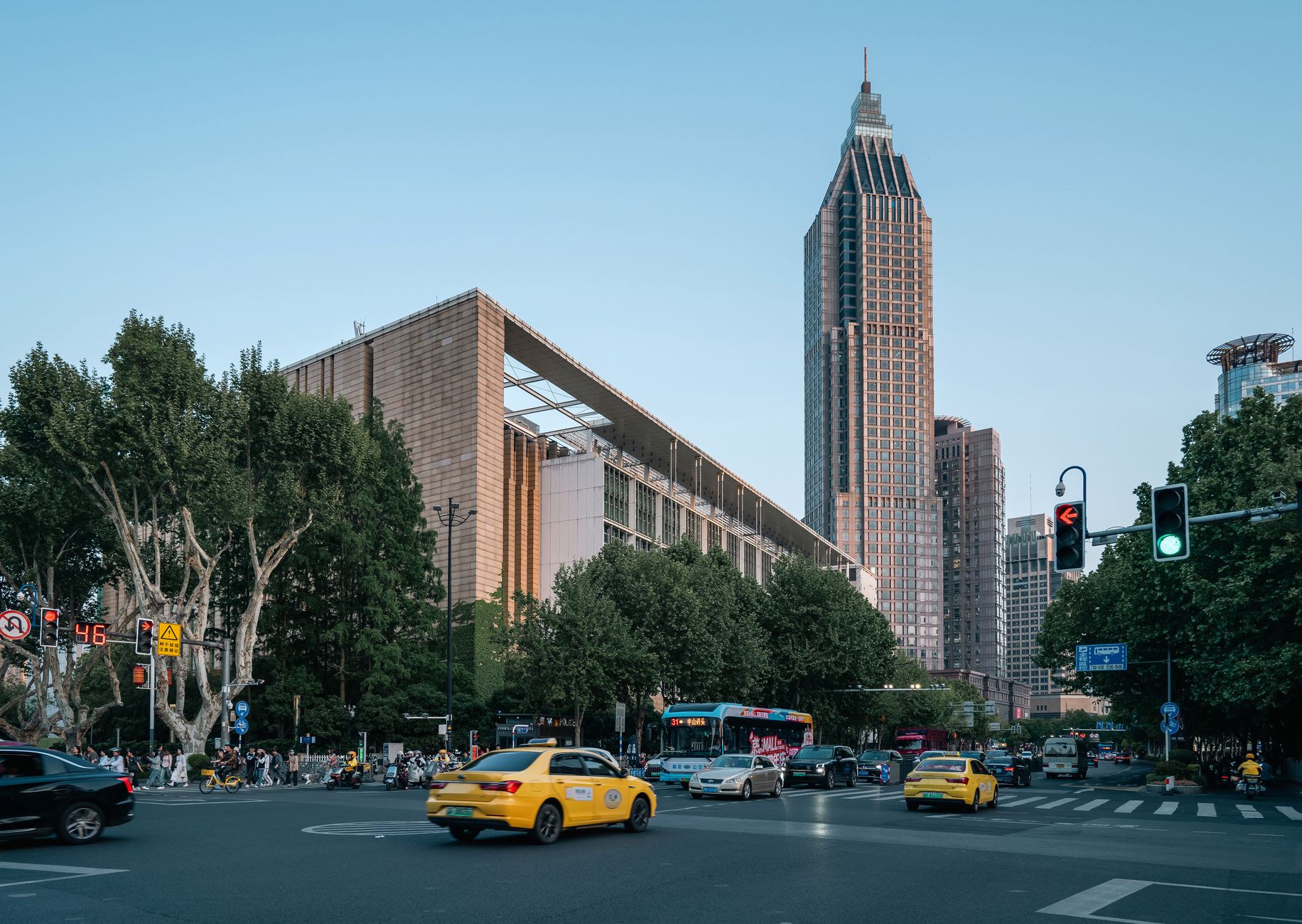
Trash is rarely seen on the ground, public spaces are well-maintained, and even busy commercial areas often look surprisingly orderly.
So why do Chinese cities feel so clean?
Strong Urban Management Systems
One of the main reasons is the way cities are managed.
In many Chinese cities, there are dedicated teams responsible for:
- Street cleaning
- Waste collection
- Public space maintenance
- Daily sanitation work
These services operate on strict schedules, ensuring that streets are cleaned regularly throughout the day.
High Frequency of Cleaning Work
In major urban areas, cleaning is not a once-a-day activity.
Instead, it happens continuously.
You can often see workers:
- Sweeping streets early in the morning
- Cleaning public areas during the day
- Collecting trash multiple times a day
- Maintaining subway entrances and busy intersections
This constant maintenance helps keep cities visually clean even during peak hours.
Public Infrastructure Designed for Cleanliness
Chinese cities are also designed with infrastructure that supports cleanliness.
For example:
- Trash bins are widely available in public areas
- Subway stations have clear waste disposal systems
- Public toilets are common in urban districts
- Streets are designed for easy cleaning access
This makes it easier for cities to maintain order at scale.
Strict Regulations in Public Spaces
In many cities, public cleanliness is also reinforced through regulations.
Littering, improper waste disposal, and other behaviors are often discouraged through:
- Fines
- Surveillance systems
- Public awareness campaigns
While enforcement varies by location, the overall system encourages cleaner public behavior.
High Population Density Makes Cleanliness More Visible
China’s cities are highly populated, which makes cleanliness more noticeable when it is maintained well.
In dense urban environments, even small amounts of litter would be very visible.
This creates a strong incentive for both city management and residents to maintain clean surroundings.
Public Transportation Standards
Subways, buses, and train stations are also a major part of the cleanliness experience.
Most public transport systems in China are:
- Clean and regularly maintained
- Monitored by staff
- Equipped with clear signage and waste control systems
Because millions of people use these systems daily, keeping them clean is a high priority.
Why Foreign Visitors Notice It So Strongly
Many visitors are surprised because expectations often differ from reality.
Common reactions include:
- “The streets are much cleaner than I expected”
- “Public areas feel very organized”
- “Even busy areas don’t feel dirty”
This contrast between expectation and experience makes cleanliness one of the most memorable impressions.
Cleanliness as Part of City Image
In many Chinese cities, cleanliness is also closely tied to city branding and image.
Local governments place emphasis on maintaining a modern and orderly appearance, especially in:
- Business districts
- Tourist areas
- Transportation hubs
A clean environment is often seen as part of a city’s competitiveness and attractiveness.
Final Thoughts
The cleanliness of Chinese cities is not the result of a single factor, but rather a combination of management systems, infrastructure design, public behavior, and continuous maintenance.
While no city is perfect, the overall system creates an environment that often feels orderly and well-maintained to visitors.
For many foreigners, this becomes one of the most unexpected and positive impressions of urban life in China.
It is not just about appearance—it reflects how cities are organized and managed at scale.