


Hunan folk superstitions and traditional taboos are unique cultural products derived from ancient Meishan civilization, Xiangchu witch culture, farming beliefs, and multi-ethnic folk traditions. With a history of more than 2,000 years, these folk beliefs are widely spread in rural areas of Loudi, Shaoyang, Huaihua, Zhangjiajie, Yongzhou and other regions of Hunan. Different from ordinary folk customs, Hunan’s traditional superstition culture features primitive witch worship, ancestor veneration, natural deity faith, and rigorous daily behavioral taboos. Formed under the influence of ancient Miao, Yao, Tujia and Han integrated cultures, these customs cover seasonal festivals, life rituals, daily words and deeds, residential geomancy, medical healing, and funeral blessings. Rooted in ancient people’s cognition of avoiding evil, pursuing auspiciousness, and praying for harvest and peace, these age-old folk beliefs constitute the most mysterious and distinctive part of Huxiang folk culture. This article comprehensively and systematically sorts out the core categories, ritual procedures, cultural connotations and regional characteristics of authentic Hunan folk superstitions.
Cultural Origins of Hunan Folk Superstitions
Hunan’s folk superstitious culture originates from three core ancient systems. First, it inherits the primitive witchcraft tradition of the ancient Xiangchu region, retaining pre-Qin animism and deity worship customs that have faded in most parts of China. Second, it is deeply influenced by Meishan culture centered in central Hunan, focusing on shamanic healing, sacrificial transcendence and exorcism rituals. Third, it integrates the folk beliefs of Tujia, Miao and Yao ethnic groups in western and southern Hunan, forming diverse and inclusive superstitious customs different from northern Chinese folk traditions.
In ancient times, Hunan had dense mountains, humid climate, frequent plagues and harsh living conditions. Lacking scientific cognition, local residents pinned their yearning for safe life, bumper harvest and family prosperity on gods, ancestors and natural spirits. They formed standardized ritual worship, behavioral taboos and verbal avoidance rules, which have been passed down from generation to generation and become fixed local folk customs.
Primitive Witchcraft and Sacrificial Superstitions (Core Hunan Mysterious Culture)
Witchcraft and sacrificial rituals are the most representative superstitious customs in Hunan, especially popular in western Hunan and central Hunan Meishan areas, including traditional witch doctor healing, divination, exorcism and soul-calling rituals.
1. Meishan Witchcraft and Holy Charm Water Rituals
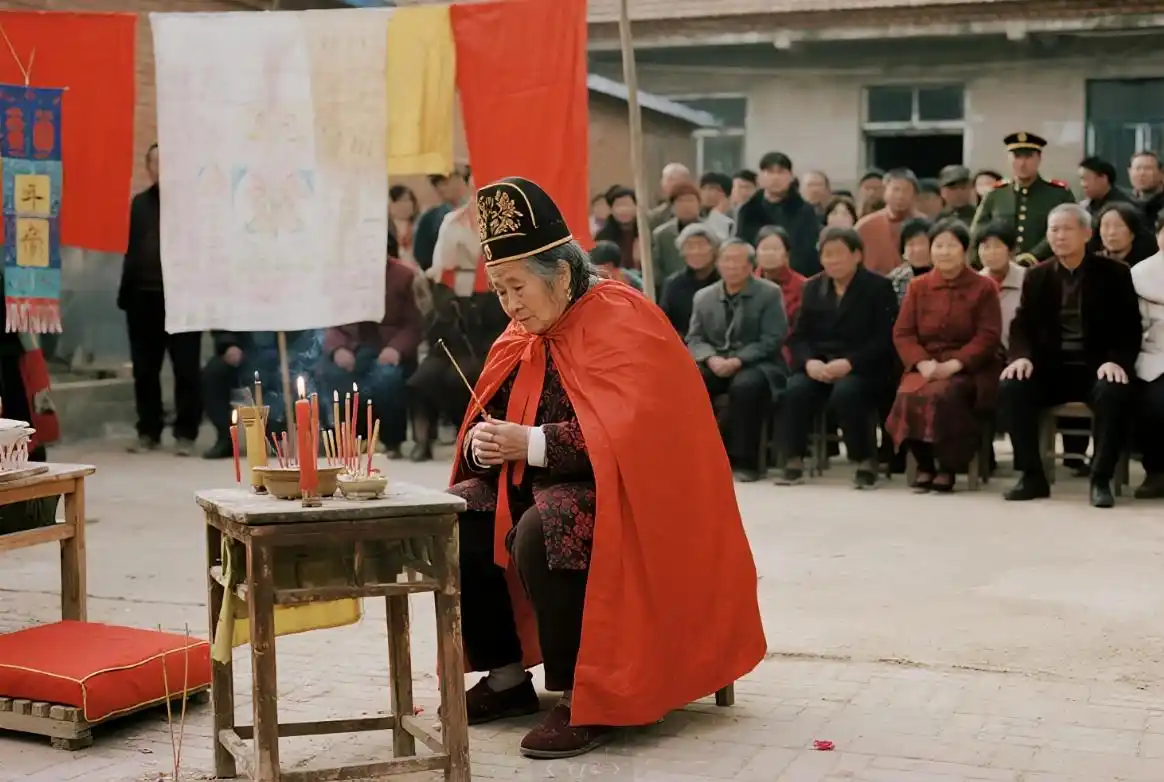
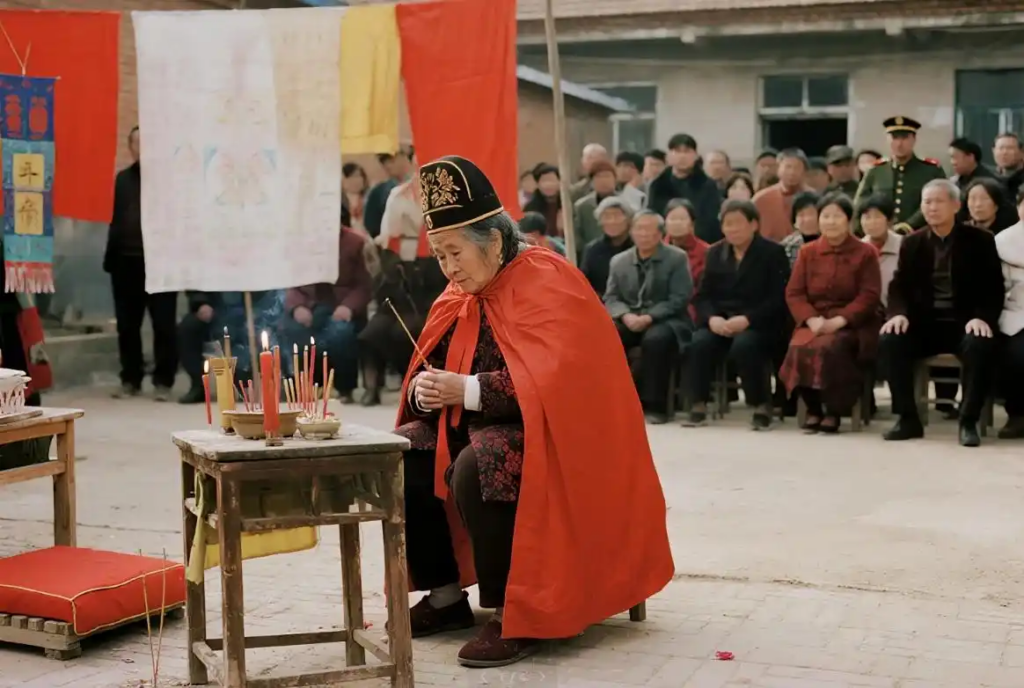
Meishan witchcraft, prevalent in Xinhua, Lengshuijiang and Loudi areas, is a local primitive folk belief with a long history. Different from the terrifying witchcraft in western Hunan, Meishan witchcraft focuses on blessing and healing. Local folk wizards inherit the ancient Zhuyou medical tradition, practicing the famous charm water therapy. Wizards draw spiritual charms, recite ancient incantations, and bless clean well water or mountain spring water. Locals believe that the consecrated charm water can eliminate sickness, dispel bad luck, relieve abdominal pain and fever, and cure minor ailments.
Before performing rituals, Meishan wizards will blow ox horn instruments to worship Chiyou, the ancestor of Meishan culture, praying for divine power to descend and bless the villagers. This ancient witchcraft ritual integrates primitive ancestor worship and folk medical beliefs, and is a typical representative of central Hunan folk superstition.
2. Bagua Divination and Ghost Inquiry Custom
A popular classic folk saying in southwest Hunan goes: Talk to people with words, inquire ghosts with divination. Local villagers believe that human communication relies on language, while communication with ancestors and ghosts requires professional divination rituals. The traditional two-piece divination tool made of hard wood is widely used in daily blessing, marriage inquiry, illness prediction and funeral rituals.
Villagers invite senior folk masters to perform divination before major events such as weddings, house construction, long-distance travel and medical treatment. Different postures of the divination tool represent good luck, neutral fortune or fierce omens. People will adjust their plans according to divination results to avoid disasters and pray for smooth development.
3. Western Hunan Corpse Driving and Soul Guiding Legends
As the most mysterious folk custom in Hunan, western Hunan corpse driving has been passed down for hundreds of years. In ancient times, western Hunan had rugged mountain roads and dangerous terrain. Local people believed that if villagers died in foreign lands, their souls could not return to their hometowns. Professional corpse drivers wearing Bagua Taoist robes and holding soul-calling gongs would perform special rituals to guide the bodies and souls of the deceased back to their hometowns for burial.
Though the custom has disappeared in modern times, it has become a classic symbolic superstition culture of western Hunan, reflecting the local people’s emphasis on returning fallen leaves to their roots and comforting ancestral souls.
4. Miao and Tujia Exorcism and Blessing Rituals
Ethnic minority areas in western Hunan retain unique superstitious rituals such as bonfire exorcism, village blessing and soul settling. Villagers hold regular collective sacrificial activities to worship mountain gods, land gods and ancestral gods, believing that these deities can protect village safety, prevent plague disasters and ensure abundant grain harvests all year round.
Seasonal Festival Superstitions and Taboos
Every traditional festival in Hunan has fixed superstitious rituals and strict taboos, covering verbal norms, behavioral restrictions and sacrificial requirements, which must be strictly followed to avoid offending gods and bringing bad luck.
1. Spring Festival Superstitions and Taboos
The Spring Festival has the most rigorous folk taboos in Hunan. First, no sweeping and garbage dumping on New Year’s Day. Locals believe that sweeping the floor will sweep away the accumulated wealth and auspicious energy of the new year, leading to poor family fortune. Second, no quarrels, crying or angry words are allowed on New Year’s Day; all words must be auspicious and positive to ensure smooth family luck throughout the year.
Third, the famous first incense grabbing custom in Hengyang and Nanyue areas. Local believers rush to major temples such as Nanyue Grand Temple and Yanfeng Temple at midnight on New Year’s Eve to grab the first incense. Folk legend holds that the first incense offered can obtain the strongest divine blessing, bringing prosperous wealth, healthy family and smooth career.
In addition, Hunan folk adheres to the New Year bath taboo: taking a thorough bath before New Year’s Eve to wash away bad luck of the old year, while bathing on New Year’s Day is forbidden to avoid washing away new year’s auspiciousness.
2. Zhongyuan Festival (Ghost Festival) Strict Taboos
Zhongyuan Festival is the most solemn ghost worship festival in Hunan folk customs. Locals believe that the gate of hell opens during the festival, and wandering ghosts return to the mortal world. A series of strict taboos must be observed: do not say the word “ghost” casually to avoid attracting ghost entanglement; do not stay out late at night to prevent encountering evil spirits; do not whistle or pat shoulders after dark, as folk belief considers whistling easy to summon ghosts and patting shoulders will disperse personal protective vitality.
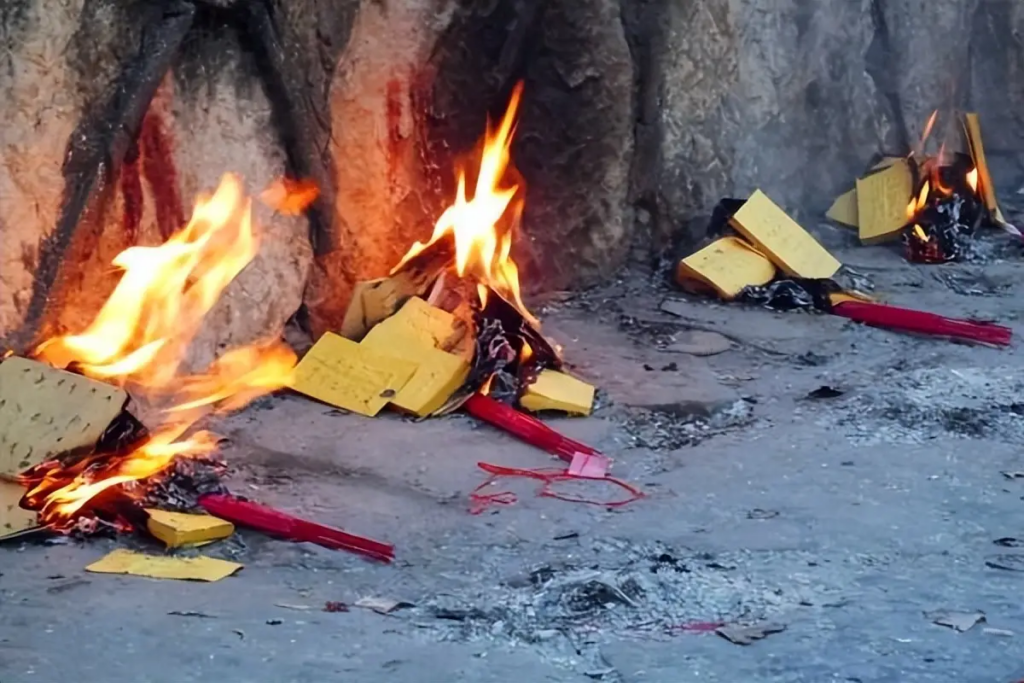
Every household must complete ancestor welcoming, daily three-time sacrifices and soul sending rituals on schedule, burning joss paper and ingots to comfort wandering souls and pray for family peace.
3. Qingming and Winter Solstice Folk Beliefs
On Qingming Festival, Hunan villagers insist on tomb sweeping and soil addition. It is taboo to trample on other people’s tombs or damage tomb vegetation, which is regarded as disrespectful to ancestors and easy to provoke bad luck. On Winter Solstice, Miao and Tujia areas carry out traditional soul purification and house protection rituals, using calamus water for bathing to exorcise evil spirits and purify personal aura.
Life Ritual Superstitions (Wedding, Funeral, Birth Taboos)
Hunan folk has extremely strict superstitious norms for major life rituals such as birth, wedding and funeral, which have been followed for thousands of years.
1. Wedding Superstitions and Taboos
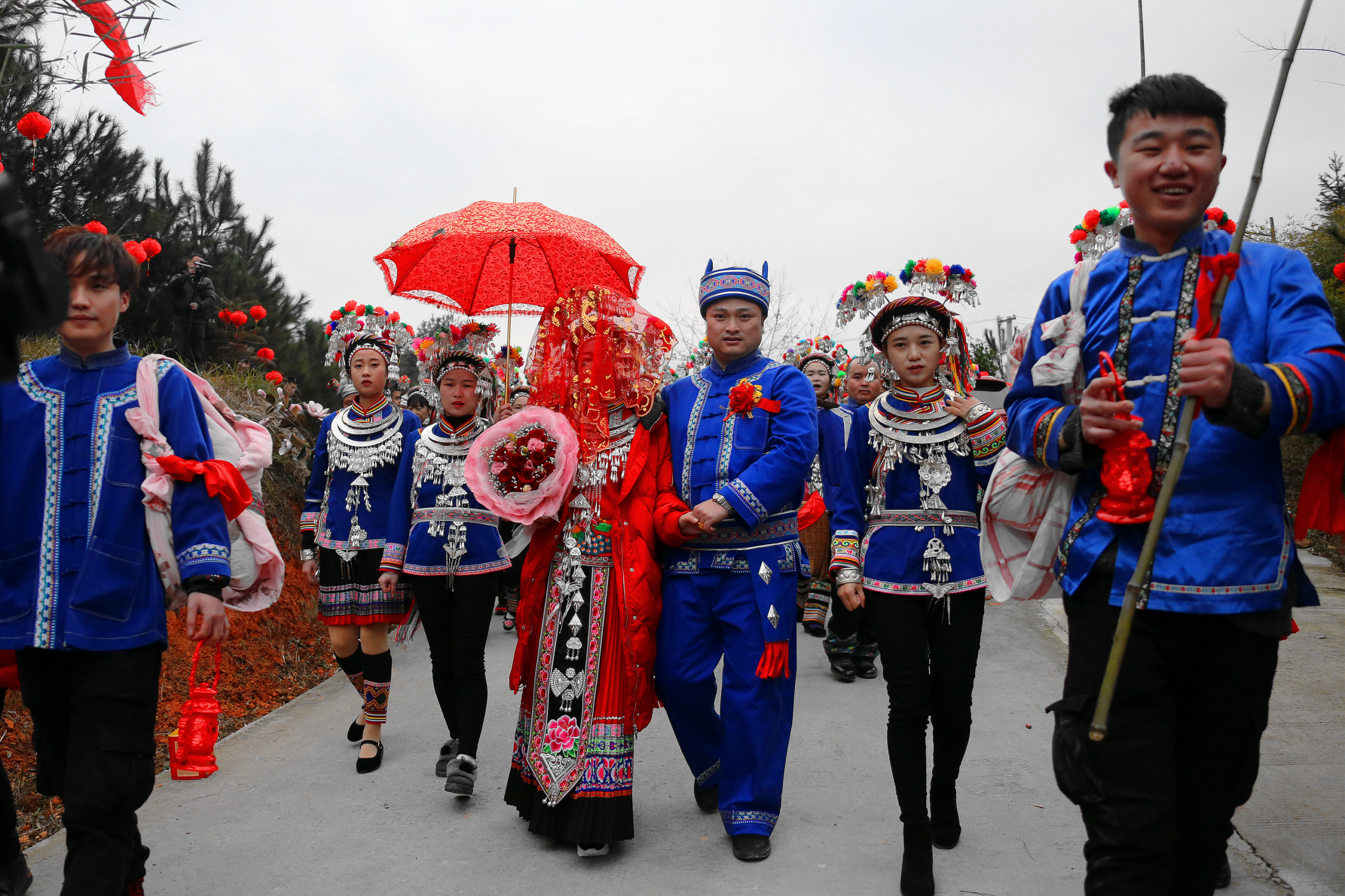
Local weddings must select auspicious dates through divination, avoiding zodiac conflict days and fierce solar terms. It is taboo for pregnant women, widows and divorced people to participate in wedding ceremonies or touch wedding supplies, which is considered inauspicious. The wedding convoy cannot turn back halfway, and the bride cannot look back after leaving her parents’ home, symbolizing a stable and lifelong marriage without regret.
2. Funeral Folk Superstitions
Hunan funeral superstitions focus on soul peace and disaster avoidance. After a person’s death, firecrackers must be set off to notify ghosts and gods; the spirit hall incense must never be extinguished to ensure the continuous blessing of ancestors. It is taboo for unrelated outsiders to randomly enter the spirit hall, and children and pregnant women are forbidden to approach the coffin to avoid being disturbed by yin energy.
The seven-phase 49-day memorial system must be strictly implemented. Regular sacrifices are required to help the deceased’s soul reincarnate smoothly and protect the living family’s fortune.
3. Birth and Child-Rearing Taboos
In traditional Hunan rural areas, it is taboo for strangers to visit newly delivered mothers within one month after childbirth, to avoid disturbing the newborn’s vitality. Newborns cannot be praised excessively casually; folk belief holds that excessive praise will attract evil spirits and cause children to cry and get sick frequently. Villagers will hang red cloth and peach branches at the door to ward off evil spirits and protect the safety of mothers and babies.
Geomancy, Digital and Daily Behavioral Superstitions
1. Residential Feng Shui Taboos
Hunan folk pays great attention to residential geomancy. Houses are forbidden to face straight roads, river mouths or lone big trees, which are regarded as fierce layouts that attract yin energy. Villagers prefer houses backed by mountains and facing water, symbolizing stable foundation and prosperous fortune. When building houses, they must select auspicious hours and perform foundation laying blessing rituals to pray for house safety and family prosperity.
2. Special Digital Taboos
Shaoyang, Yongzhou and southern Hunan areas have strict digital superstitions. The number 4 is extremely taboo because its pronunciation is similar to “death”. Local cemeteries have no 4th, 14th or 24th rows of tombs, and residential buildings often cancel the 4th and 14th floors. The number 18 is also avoided due to the folk saying of “18 layers of hell”, which is regarded as an inauspicious number bringing bad luck.
3. Daily Behavioral Taboos
There are numerous subtle daily superstitious taboos in Hunan countryside. It is forbidden to point at the moon with fingers, which is believed to cause ear cutting by the moon god; do not cut nails or hair at night to avoid losing personal vitality; do not sit on the threshold, as the threshold is regarded as the residence of household gods, and sitting on it is disrespectful and will damage family fortune; do not randomly pick wild flowers and grass in remote mountain forests to avoid disturbing mountain spirits.
Cultural Connotation and Modern Value
Most Hunan folk superstitions originated from ancient people’s ignorance of natural phenomena and reverence for gods and ancestors. Although some contents have feudal superstitious dross, most of them carry positive folk values: advocating awe of nature, respecting ancestors, maintaining family harmony, restraining bad behaviors, and praying for safe life and bumper harvests. These mysterious folk beliefs constitute the unique primitive charm of Huxiang culture and Meishan civilization, recording the living customs and spiritual world of Hunan people for thousands of years. In modern society, after abandoning unscientific feudal dross, the positive cultural connotations of blessing peace, inheriting filial piety and respecting nature have been well preserved, becoming precious intangible folk cultural heritage.