


Introduction: Why Are People Burning Money in the Street?
Imagine walking through a Chinese neighborhood late in the evening.
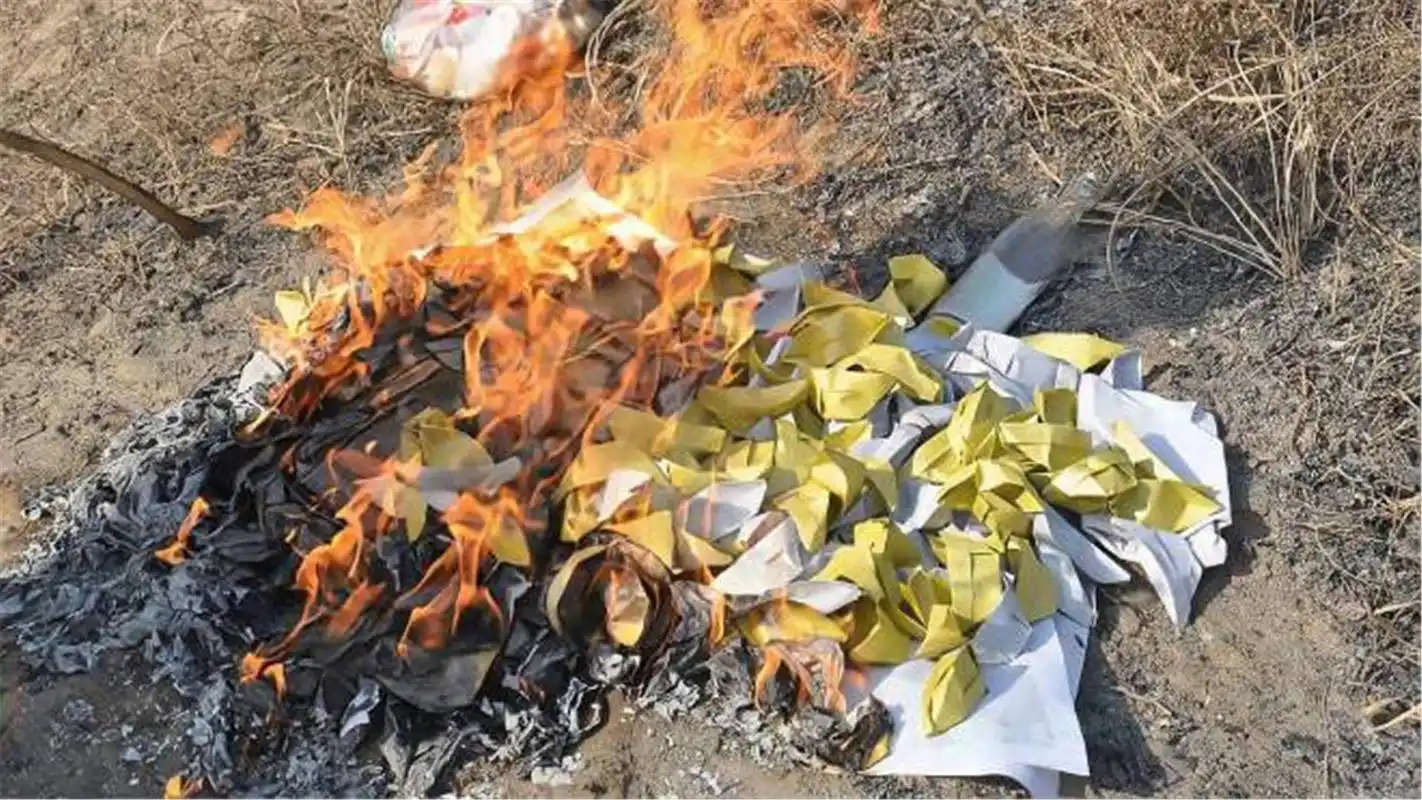
You notice small fires burning beside roads.
People carefully place paper into the flames.
Some are burning stacks of paper money.
Others are burning paper houses, paper cars, paper clothes, or even paper smartphones.
To a foreign visitor, the scene can be confusing.
Why would anyone burn valuable objects?
What purpose does it serve?
Is it religious?
Superstitious?
Symbolic?
The answer is all of these—and more.
For centuries, Chinese families have burned paper offerings for deceased relatives and ancestors.
The practice is one of the oldest and most enduring traditions in Chinese culture.
At its heart lies a simple but powerful idea:
Death does not end family relationships.
The dead still matter.
And caring for them remains an important responsibility.
To understand why millions of people continue this tradition today, we must first understand how Chinese civilization has viewed life, death, and the afterlife for thousands of years.
A Relationship That Does Not End With Death
In many Western societies, death is often viewed as a final separation.
In traditional Chinese culture, however, the relationship between the living and the dead is different.
Ancestors are not considered completely gone.
They remain part of the family.
Their influence continues.
Their memory remains alive.
For centuries, Chinese people believed that ancestors could:
- Protect their descendants
- Bring blessings
- Offer guidance
- Influence family fortunes
At the same time, neglected ancestors might become unhappy or restless.
As a result, maintaining good relationships with deceased family members became an important social and spiritual responsibility.
Paper offerings emerged as one way to fulfill that obligation.
What Is Paper Money?
The most common offering is known in English as “joss paper.”
It is often called spirit money, ghost money, or ancestor money.
Unlike real currency, it is produced specifically for ceremonial purposes.
Traditional versions usually feature:
- Decorative patterns
- Gold or silver foil
- Symbolic markings
Modern versions may resemble banknotes.
Some even contain enormous denominations worth billions or trillions in symbolic afterlife currency.
The message is clear:
The deceased should not lack wealth in the next world.
The Ancient Origins of the Tradition
The practice of providing goods for the dead is much older than paper money itself.
Thousands of years ago, wealthy individuals were often buried with valuable possessions.
Archaeologists have discovered tombs containing:
- Weapons
- Jewelry
- Bronze vessels
- Jade artifacts
- Chariots
Some ancient rulers were even buried with servants or animals sacrificed to accompany them into the afterlife.
Over time, people began replacing real objects with symbolic substitutes.
Paper offerings provided a safer, cheaper, and more humane alternative.
Instead of burying valuable goods, families could burn symbolic versions.
The spiritual purpose remained the same.
Why Burn the Offerings?
The key idea is transformation.
Fire acts as a bridge between worlds.
According to traditional belief, burning an object sends it to the spiritual realm.
The physical item disappears.
Its spiritual equivalent reaches the deceased.
This concept helps explain why paper offerings are burned rather than simply placed on graves.
The fire completes the journey.
Without burning, the gift has not truly been delivered.
Sending Wealth to the Afterlife
The most common explanation is simple.
People burn paper money so their ancestors will have resources in the afterlife.
Just as living people require food, shelter, and money, the dead are imagined as having similar needs.
Providing these necessities demonstrates:
- Respect
- Gratitude
- Filial devotion
- Family responsibility
The practice reflects a belief that family obligations continue beyond death.
From Paper Coins to Paper Luxury Cars
Traditional offerings were relatively simple.
Paper money.
Paper clothing.
Paper household items.
Modern consumer culture has transformed the tradition dramatically.
Today, specialty shops sell paper versions of almost anything imaginable.
Including:
- Luxury cars
- Designer handbags
- Mansions
- Airplanes
- Watches
- Televisions
- Smartphones
- Laptop computers
Some families even purchase paper versions of famous brands.
The logic is surprisingly straightforward.
If a living person might enjoy it, why shouldn’t an ancestor enjoy it too?
This combination of ancient beliefs and modern consumer culture fascinates many foreign observers.
The Importance of Filial Piety
To truly understand paper burning, one must understand a core value of Chinese civilization:
Filial piety.
Known as “xiao” in Chinese, filial piety emphasizes respect and care for parents and ancestors.
For over two thousand years, this principle has shaped Chinese family life.
Children are expected to:
- Respect parents
- Care for elders
- Honor family history
- Remember previous generations
Burning paper offerings is often viewed as an extension of these responsibilities.
The act demonstrates that deceased family members have not been forgotten.
Qingming Festival: China’s Day of Remembrance
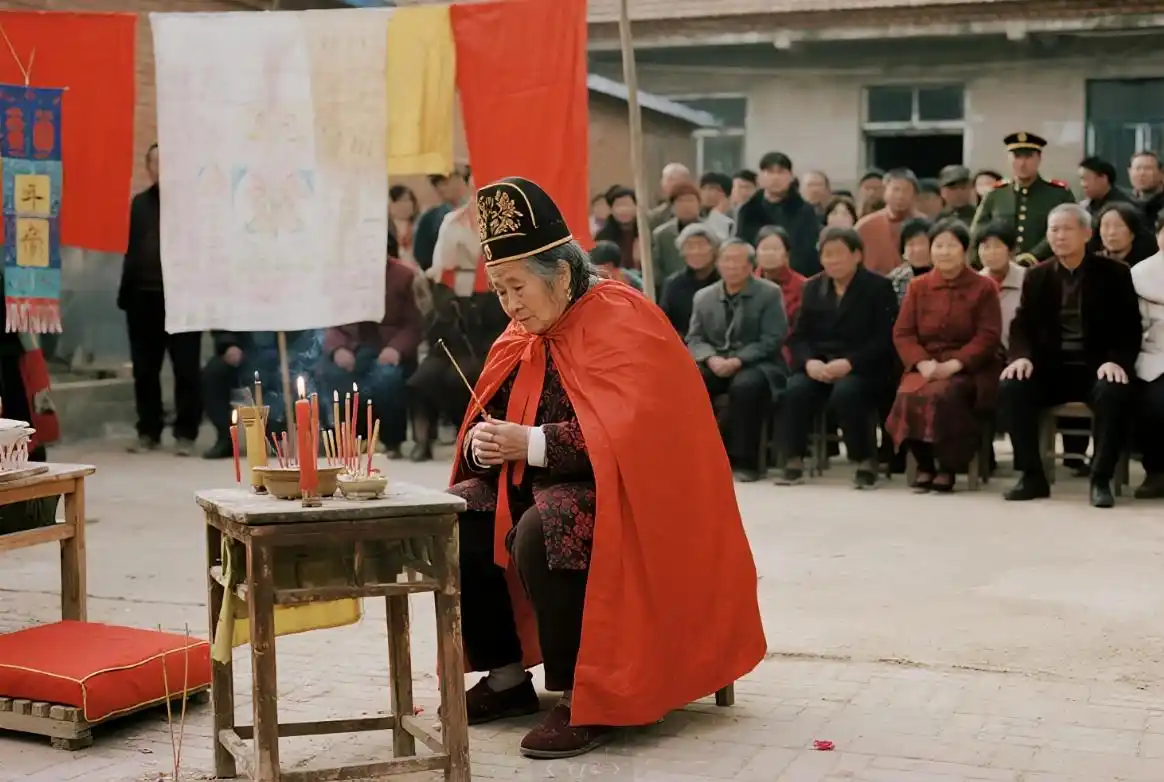
One of the most important occasions for burning paper money is the Qingming Festival.
Often called Tomb-Sweeping Day, this annual event occurs in spring.
Families visit ancestral graves to:
- Clean tombstones
- Remove weeds
- Present flowers
- Offer food
- Burn paper money
The atmosphere is usually respectful rather than mournful.
For many families, Qingming is a time to reconnect with family history.
Children learn about grandparents and great-grandparents.
Stories are shared.
Memories are preserved.
Paper offerings become part of a larger tradition of remembrance.
Ghost Month and the Hungry Spirits
Another major occasion occurs during Ghost Month.
As discussed in Chinese folklore, the seventh lunar month is believed to be a period when spirits return to the human world.
During this time, people burn offerings not only for ancestors but also for wandering souls.
These spirits may have no descendants to care for them.
Providing offerings demonstrates compassion toward forgotten dead.
This broader sense of responsibility reflects an important aspect of Chinese cultural values.
Why Food Is Often Burned or Offered Alongside Paper Money
Paper money is rarely offered alone.
Many families also present:
- Fruit
- Tea
- Rice
- Meat dishes
- Cakes
- Wine
The symbolism is similar.
The dead should not go hungry.
Offering food mirrors the hospitality shown to living guests.
The ritual transforms ancestors from distant historical figures into continuing members of the family.
Is This a Religious Practice?
The answer is complicated.
Paper burning exists within multiple traditions.
It draws influence from:
- Ancestor worship
- Folk religion
- Taoism
- Buddhism
Many participants do not necessarily identify the practice with a single religion.
Instead, they see it as part of cultural heritage.
This flexibility helps explain why the custom remains widespread across different communities.
Chinese Communities Around the World
The tradition is not limited to mainland China.
It is also common in Chinese communities throughout:
- Singapore
- Malaysia
- Taiwan
- Hong Kong
- Thailand
- Indonesia
- North America
- Europe
Immigrant communities often maintain the practice as a way of preserving cultural identity.
Even thousands of miles from their ancestral homeland, families continue honoring previous generations.
Why Younger Generations Still Participate
Modern China is highly urbanized and technologically advanced.
Many young people live in cities dominated by skyscrapers and digital technology.
Yet paper burning continues.
Why?
For some, it reflects genuine spiritual belief.
For others, it is about family tradition.
Many participate simply because parents and grandparents do.
The ritual creates continuity between generations.
Whether viewed as faith, culture, or symbolism, it remains meaningful.
Environmental Debates
In recent years, the practice has generated environmental discussions.
Burning large quantities of paper can contribute to air pollution.
As a result, some communities have introduced alternatives.
These include:
- Digital memorial platforms
- Virtual offerings
- Environmentally friendly ceremonial materials
Others argue that traditional practices should be preserved.
The debate reflects broader tensions between modernization and cultural heritage.
What Foreigners Often Misunderstand
Many outsiders assume the practice is merely superstition.
This interpretation misses its deeper significance.
Paper burning is not primarily about money.
It is about relationships.
It is about expressing care for people who are no longer physically present.
The paper itself is symbolic.
The emotional message is what truly matters.
In this sense, the tradition resembles placing flowers on graves, lighting memorial candles, or visiting cemeteries in many other cultures.
The methods differ.
The underlying human emotions are remarkably similar.
What the Tradition Reveals About Chinese Culture
Paper burning reveals several core values that have shaped Chinese civilization for centuries:
Family Matters
Family connections extend beyond death.
Memory Matters
People should remember those who came before them.
Gratitude Matters
Ancestors deserve appreciation for the sacrifices they made.
Continuity Matters
The past remains connected to the present.
These values help explain why the tradition has survived for so long.
Why the Practice Fascinates the World
For international audiences, paper burning is both strange and compelling.
It combines:
- Ancient history
- Spiritual belief
- Family values
- Cultural symbolism
The sight of paper mansions and luxury cars disappearing into flames feels surreal.
Yet beneath the spectacle lies a deeply human desire:
To continue caring for loved ones even after death.
That emotional foundation is universal.
Conclusion: More Than Burning Paper
At first glance, the practice of burning paper money may seem mysterious.
But understanding its purpose changes everything.
The ritual is not about wealth.
It is not about consumerism.
And it is not simply about superstition.
It is about remembering.
It is about honoring family.
It is about maintaining bonds that transcend death.
For thousands of years, Chinese families have used paper offerings to express love, gratitude, and respect for previous generations.
The forms may change.
Paper smartphones may replace paper horses.
Paper villas may replace paper houses.
But the underlying message remains the same.
“You are gone, but you are not forgotten.”
And perhaps that is why the tradition continues to endure in the modern world.
Because across cultures, across centuries, and across generations, the desire to remember those we love never truly disappears.