


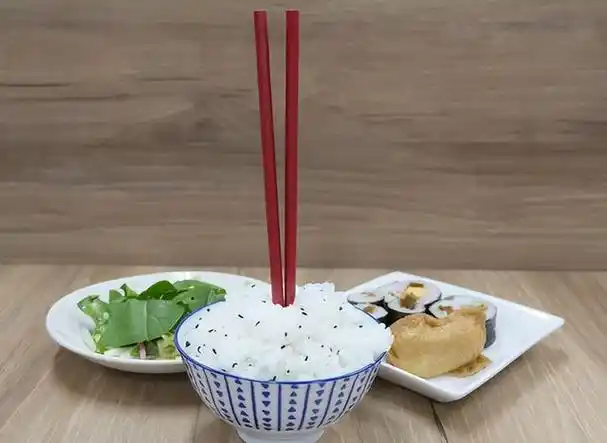
If you are visiting China for the first time, you may notice that people are very particular about how chopsticks are placed on the dining table. One of the most important dining taboos is sticking chopsticks upright into a bowl of rice.
To many foreigners, it may seem harmless or simply a convenient way to rest chopsticks. However, in Chinese culture, this gesture is considered highly inappropriate and even unlucky. Understanding why can help visitors avoid awkward situations and gain a deeper appreciation of Chinese traditions.
The Connection to Funeral Rituals
The main reason behind this taboo comes from traditional Chinese funeral customs.
During ancestral worship ceremonies and funerals, families often place incense sticks upright in a bowl filled with rice or sand as an offering to deceased relatives and ancestors. The appearance of two chopsticks standing vertically in a bowl of rice closely resembles burning incense used in these rituals.
Because of this visual similarity, placing chopsticks upright in rice is associated with death, mourning, and bad luck. At the dinner table, where food represents family, prosperity, and togetherness, such symbolism is considered inappropriate.
Why Chinese Families Take It Seriously
Chinese culture places great importance on symbolism. Certain actions, numbers, and objects carry meanings that have been passed down through generations.
For many Chinese people, especially older generations, seeing chopsticks standing upright in rice immediately evokes images of funeral offerings. Even if no disrespect is intended, the act can make others uncomfortable.
In family gatherings, grandparents or parents often remind children not to do this. The lesson is not only about superstition but also about showing respect for cultural traditions.
A Symbol of Bad Luck
Beyond its connection to funerals, upright chopsticks are often viewed as a symbol of misfortune.
Traditional Chinese beliefs emphasize creating harmony and avoiding actions that may attract negative energy. Since upright chopsticks resemble funeral incense, many people believe the gesture may bring bad luck or disrupt the positive atmosphere of a meal.
While younger generations in large cities may not always hold strong superstitious beliefs, most still avoid the practice out of courtesy and cultural awareness.
Proper Ways to Place Chopsticks
When not using chopsticks, there are several acceptable ways to place them:
- Lay them neatly across the edge of your bowl.
- Place them on a chopstick rest if one is provided.
- Rest them parallel on your plate or beside your bowl.
- Keep them clean and avoid pointing them at others.
These habits are considered polite and help maintain proper table etiquette.
Other Common Chopstick Taboos
Putting chopsticks upright in rice is not the only chopstick rule in China. Other behaviors that are often considered rude include:
Pointing at People with Chopsticks
Using chopsticks to point at someone is seen as impolite, much like pointing a finger.
Stabbing Food
Chopsticks are designed for picking up food, not spearing it. Stabbing food can appear uncivilized or childish.
Knocking Bowls with Chopsticks
Historically, beggars sometimes tapped bowls with chopsticks while asking for food. As a result, making this sound at the table is generally discouraged.
Passing Food Chopstick-to-Chopstick
In some regions, passing food directly from one pair of chopsticks to another is avoided because it resembles a step in certain funeral rituals.
What Foreign Visitors Should Know
Most Chinese people understand that foreign visitors may not be familiar with local customs. Accidentally placing chopsticks upright in rice is unlikely to cause serious offense.
However, learning these small cultural details demonstrates respect and curiosity about Chinese traditions. It can also create opportunities for meaningful conversations with local people.
Final Thoughts
The taboo against putting chopsticks upright in rice reflects the deep symbolic thinking found throughout Chinese culture. What appears to be a simple dining habit actually carries centuries of historical and spiritual meaning.
For travelers and anyone interested in Chinese customs, understanding these traditions provides valuable insight into how culture shapes everyday life. The next time you enjoy a meal in China, remember to place your chopsticks neatly beside your bowl—and not standing upright in your rice.