


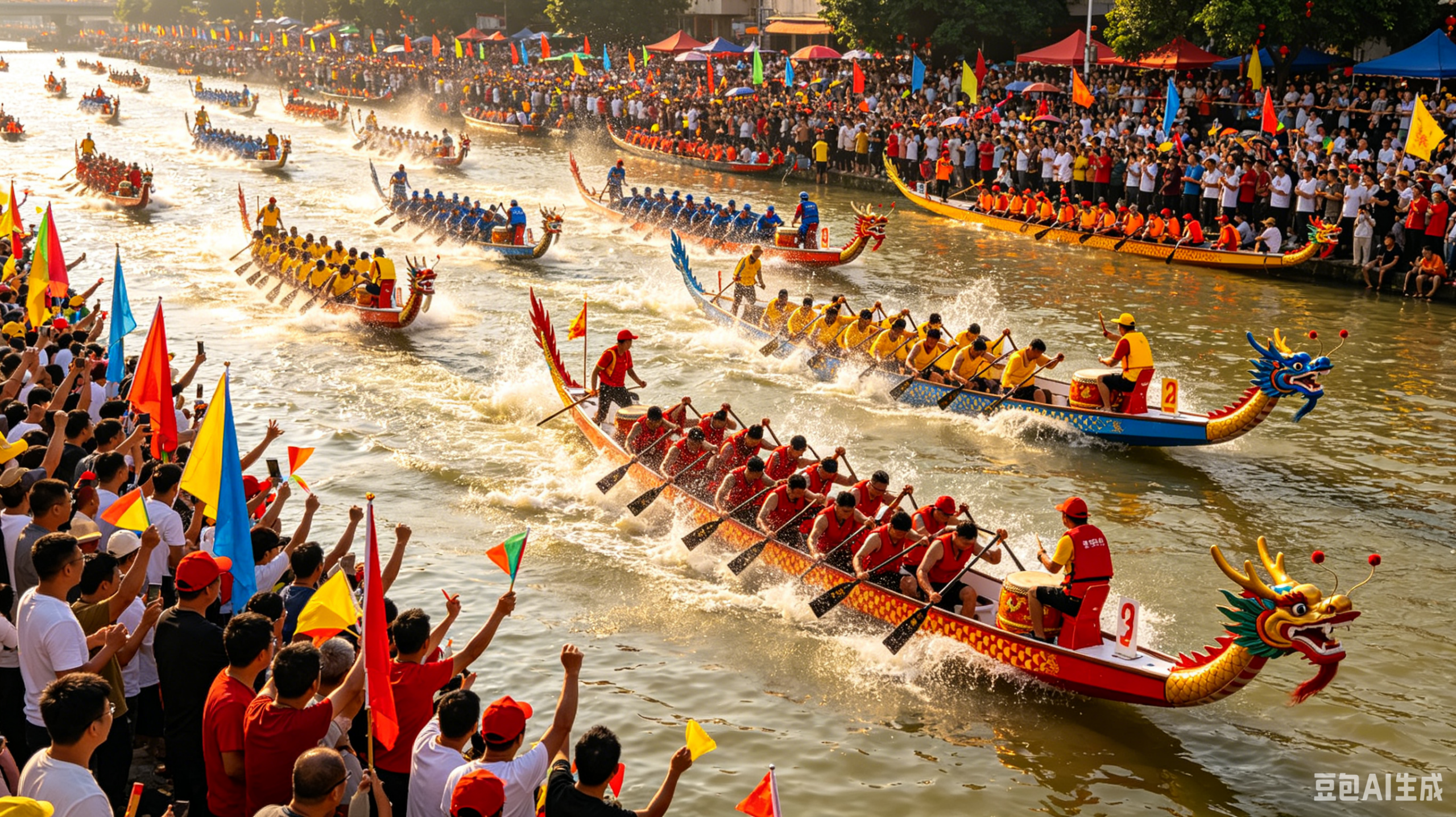
The Dragon Boat Festival, also known as Duanwu Festival, is one of China’s four major traditional festivals with a history spanning more than 2,000 years. Among all its iconic customs—including eating zongzi (glutinous rice dumplings), hanging wormwood, and wearing sachets—dragon boat racing stands out as the most spectacular, dynamic, and culturally profound tradition. Far more than a thrilling water sport, this age-old practice carries ancient spiritual beliefs, heartfelt patriotism, collective teamwork spirit, and Chinese people’s pursuit of good fortune. This guide will fully unpack the origins, traditions, hidden meanings, and modern global influence of dragon boat racing, helping global audiences understand the essence of this precious Chinese cultural heritage.
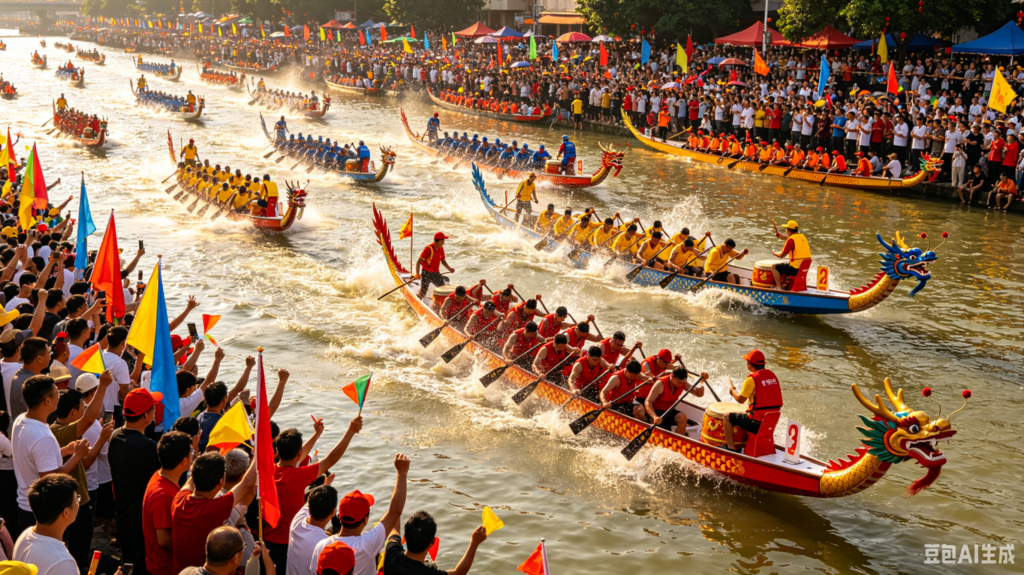
1. The Dual Origins of Dragon Boat Racing: Ancient Totem Worship & Historical Tribute
The custom of dragon boat racing has two core origin stories, integrating primitive ancient beliefs and touching historical legends, which together shape its unique cultural connotation.
1.1 The Earliest Root: Ancient Dragon Totem Worship
Long before the legend of Qu Yuan, dragon boat racing originated from the totem worship of ancient Wu and Yue ethnic groups living in China’s Yangtze River basin. In primitive society, river basins were prone to floods, plagues, and water disasters. Ancient people regarded the dragon as the supreme water deity and totem of the Chinese nation, believing that dragons controlled rivers, rains, and all water vitality.
To pray for flood prevention, good harvests, and the elimination of diseases, ancient villagers carved wooden boats into dragon shapes and held grand water sacrificial ceremonies every early summer (the fifth lunar month). They rowed dragon-shaped boats on the river to worship the dragon god, hoping to gain divine protection, calm river waves, and ward off evil spirits and plagues. This is the earliest prototype of dragon boat racing, a ritual of reverence for nature and pursuit of auspiciousness.
1.2 The Most Popular Legend: In Memory of Patriotic Poet Qu Yuan
The most widely recognized and emotionally resonant origin is the tribute to Qu Yuan (340–278 BC), a great patriotic poet of the Warring States Period. Qu Yuan was a loyal minister of the State of Chu, dedicated to governing the country and safeguarding national prosperity. However, framed by treacherous court officials, he was exiled repeatedly. In 278 BC, upon hearing the news that his motherland had fallen, Qu Yuan drowned himself in the Miluo River on the fifth day of the fifth lunar month, choosing to die for his country with unyielding integrity.
Local villagers were deeply grieved by his death. They rushed to the river in boats, scrambling to search for his body and drive away fish and shrimps that might harm his remains. Though their rescue failed, this heartfelt act of remembrance was passed down from generation to generation. Every year on Duanwu Festival, people hold boat races to commemorate Qu Yuan’s loyalty, integrity, and noble patriotism. Since the Eastern Han Dynasty, this humanistic spiritual connotation has gradually become the core of dragon boat culture, endowing the sport with profound feelings of loving the country and honoring virtue.
2. Unique Rituals of Traditional Dragon Boat Racing
Traditional Chinese dragon boat racing is never a simple competition. It is a complete set of ceremonial cultural activities with rigorous folk rituals, reflecting Chinese people’s solemn attitude towards traditional festivals.
Before every race, villagers will hold grand opening ceremonies: inviting the dragon god, painting and awakening the dragon head, offering sacrifices to rivers, and setting off firecrackers to pray for safety and victory. Each dragon boat is equipped with a lifelike dragon head and dragon tail, carved and painted with exquisite traditional patterns, symbolizing vitality and auspiciousness.
During the race, the team consists of dozens of rowers, a drummer, and a helmsman. The drummer beats the drum rhythmically to unify the rowing pace. All rowers paddle in perfect unison, charging forward on the surging river. The scene of roaring drums, splashing waves, and cheering crowds fully embodies the passionate vitality of traditional Chinese folk culture.
3. Core Cultural Meanings Behind Dragon Boat Racing
After more than two millennia of inheritance, dragon boat racing has gone beyond ritual and entertainment, carrying three irreplaceable Chinese spiritual cores.
3.1 Inheritance of Patriotism and Noble Virtue
By commemorating Qu Yuan, dragon boat racing has become a carrier of Chinese patriotism and moral inheritance. Qu Yuan’s perseverance in ideals, loyalty to the country, and uncorrupted personality have been rooted in Chinese national culture through this festival custom. For thousands of years, every dragon boat race is a spiritual tribute to lofty integrity, inspiring generations of Chinese people to uphold righteousness and love their motherland.
3.2 Spirit of Unity, Struggle and Perseverance
Dragon boat racing is a typical collective sport that allows no individual heroism. A dragon boat can only dash forward rapidly when all rowers cooperate closely, follow the drum rhythm, and work as one. It perfectly interprets the Chinese national spirit of unity, hard work, courage, and perseverance. The spirit of daring to compete and striving for excellence embodied in the race has become an important part of Chinese national spirit.
3.3 Blessing for Health and Good Fortune
The fifth lunar month in ancient China was regarded as the “poisonous month” when plagues and germs spread easily. Traditional beliefs hold that the vigorous dragon boat racing on the river can dispel yin evil energies, eliminate plagues, and pray for the health of villagers and the peace of the village. It carries people’s simple and sincere yearning for a safe life, healthy body, and favorable weather.
4. Modern Development and Global Influence of Dragon Boat Culture
Today, dragon boat racing has bid farewell to single folk rituals and grown into a worldwide cultural sport and intangible cultural heritage. In 2011, Chinese dragon boat custom was included in the national intangible cultural heritage list. With cultural exchanges between China and the world, dragon boat racing has spread to Asia, Europe, America, and Oceania, with tens of thousands of enthusiasts worldwide.
Every Duanwu Festival, grand dragon boat festivals are held in major Chinese rivers and many overseas cities. It is no longer just a traditional festival activity, but a cultural bridge connecting China and the world. It lets global audiences feel the charm of traditional Chinese culture, understand the Chinese spirit of unity and struggle, and appreciate the profound connotation of Chinese traditional festivals.