


Every year during China’s Dragon Boat Festival, a classic national debate sweeps across the country: whether zongzi (glutinous rice dumplings) should be sweet or salty. This long-standing controversy is far more than a simple taste preference. It originates from thousands of years of differences in northern and southern China’s geography, local products, dietary structures, folk customs and historical development.

In ancient times, zongzi was called “jiaoshu”. It was originally a simple sacrificial offering for traditional rituals, made only of glutinous or millet rice wrapped in leaves, with no sweet or salty fillings. After the Wei and Jin dynasties, zongzi gradually entered ordinary people’s daily lives. With the economic center moving south in the Tang and Song dynasties, northern and southern zongzi styles formed completely different systems and were finalized in the Ming and Qing dynasties, creating the lasting pattern of sweet zongzi in the north and salty zongzi in the south.
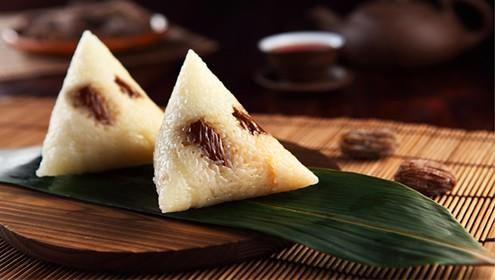
Northern China features a dry temperate climate, suitable for planting wheat, red dates, beans and preserved fruits, instead of large-scale glutinous rice. Since glutinous rice was rare and precious in the north in ancient times, northern zongzi never adopted heavy meat fillings. Traditional northern zongzi mainly uses millet or glutinous rice matched with red dates, bean paste and honey, tasting fresh and sweet.
Moreover, northern people mainly take pasta as staple food. Zongzi is regarded as a festive dessert and sacrificial food rather than a daily meal. Sweet flavors symbolize good luck, happiness and peaceful life, which fits the solemn and auspicious festival atmosphere. For northerners, plain sweet zongzi is the authentic tradition inherited for thousands of years.
On the contrary, southern China has a humid climate and dense water systems, boasting abundant glutinous rice, meat, eggs, mushrooms and seafood. With sufficient ingredients, southern people turn zongzi into a filling staple food for daily meals and festivals. The most popular salty zongzi is stuffed with pork, salted egg yolk and mushrooms. The glutinous rice fully absorbs the savory meat sauce, bringing a rich, mellow and chewy taste.
Southern dietary culture favors savory and rich flavors. Salty zongzi is practical, nutritious and satisfying, perfectly adapting to southern people’s eating habits. After thousands of years of evolution, salty meat zongzi has become the representative of southern Dragon Boat Festival customs.
The endless debate between northern and southern netizens stems from their different definitions of “authentic zongzi”. Northerners insist that zongzi, as a traditional ritual food, should keep simple and sweet to inherit ancient customs. Southerners believe that traditional culture needs to adapt to local life, and savory zongzi is the most genuine embodiment of folk festival culture.
In fact, there is no right or wrong between sweet and salty zongzi. The century-long dispute is just a vivid reflection of China’s diverse regional cultures. Sweet zongzi carries the simplicity and sincerity of northern folk customs, while salty zongzi embodies the wisdom of southern dietary life.
Today, the sweet-salty zongzi debate has become a fun festival ritual for Chinese people. No matter sweet or salty, every zongzi conveys the same blessings of health, reunion and peace. It is the diverse flavors that make the Dragon Boat Festival and traditional Chinese culture more colorful and lively.