


Qu Yuan’s Hometown Cultural Tourism Area is located at the foot of Fenghuang Mountain in Zigui County, Yichang City, Hubei Province, China. As a national 5A-level scenic spot and a national key cultural relic protection unit, it is only 600 meters away from the Three Gorges Dam in a straight line. Boasting the world-famous magnificent landscape of “the high gorge and flat lake”, it is a unique tourist resort that perfectly integrates natural scenery, Chu culture, traditional Dragon Boat Festival culture and Qu Yuan’s patriotic spirit. This mountainous and riverside land is the birthplace of Qu Yuan, the great patriotic poet and statesman of the Warring States Period. For more than 2,000 years, the landscape has remained unchanged, and the cultural heritage has been passed down from generation to generation. Every scenic spot here bears witness to his loyalty to the country and inherits the profound Chu Ci civilization.
1. Core Cultural Attractions of Qu Yuan’s Hometown
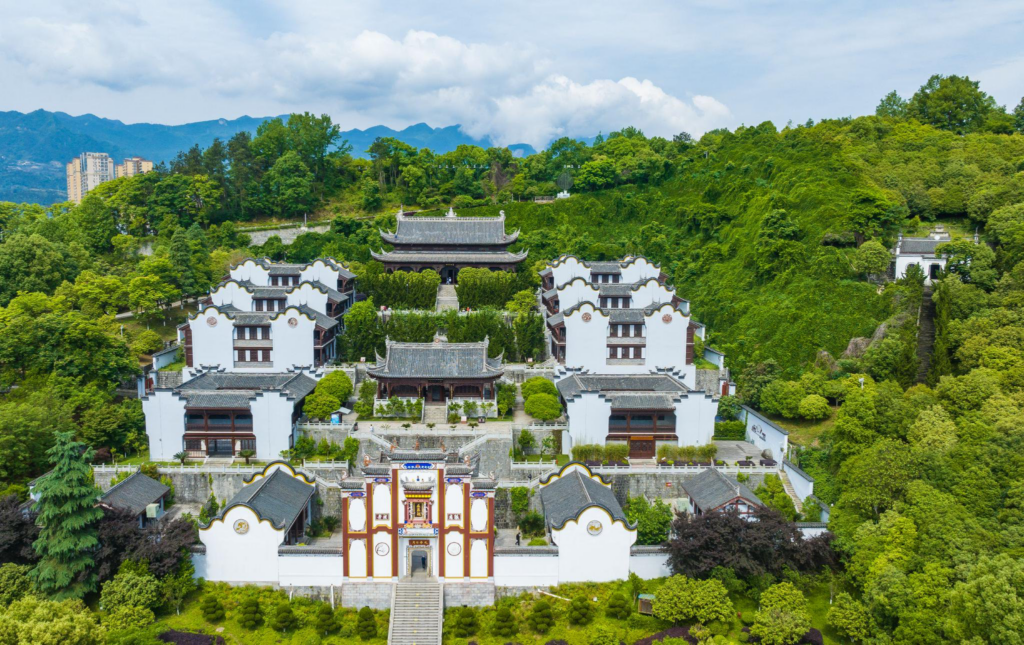
Centering on Qu Yuan culture, the scenic area gathers 24 well-preserved ancient architectural relics of the Three Gorges River region. These historic buildings have been relocated and reconstructed under cultural heritage protection projects, retaining the complete architectural style of the Ming and Qing dynasties and the humanistic memories of the Three Gorges area.
(1) Qu Yuan Ancestral Hall (Core Landmark)
Founded in the Tang Dynasty, Qu Yuan Ancestral Hall, also known as Qinglie Gong Temple, is the core building to commemorate Qu Yuan with a history of more than 1,000 years. Having undergone two overall relocations, it stands firmly on Fenghuang Mountain with rigorous layout and grand Chu-style architectural features. The complex consists of a mountain gate, stele corridor, side halls, front hall, music and dance building, main hall, memorial hall and Qu Yuan’s cenotaph. The mountain gate is a four-pillar and three-floor memorial archway inscribed with “Qinglie Gong Temple”, flanked by the words “Loyalty” and “Eternal Fame”, summarizing Qu Yuan’s noble integrity.
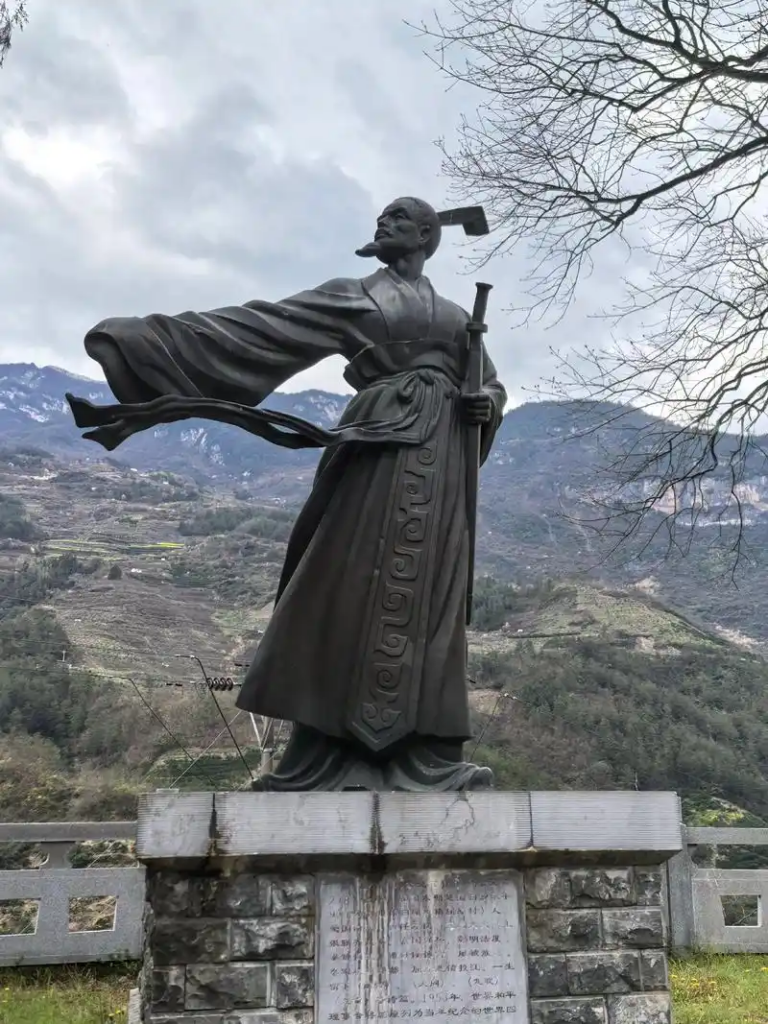
A grand bronze statue of Qu Yuan stands in the main hall, showing his perseverance and lofty ideals of pursuing truth and serving the country. The walls are engraved with classic chapters of Chu Ci, including The Lament, Nine Songs and Heavenly Questions, together with precious stone inscriptions of past dynasties, fully displaying the splendid achievements of Chu Ci literature. The quiet cenotaph behind the hall has been a sacred place for people to mourn Qu Yuan for thousands of years.
(2) Qu Yuan Memorial Hall
Built with ancient architectural styles, the memorial hall systematically displays Qu Yuan’s life experience, political aspirations, literary achievements and far-reaching influence in chronological order. With a wealth of ancient books, calligraphy and painting collections, cultural relic replicas and scene restoration displays, it comprehensively tells the life story of Qu Yuan: born in Zigui, assisting King Huai of Chu, implementing political reforms, being framed and exiled, and sacrificing his life for his country with unswerving patriotism.
(3) Ancient Architectural Complex of Three Gorges River Region
The scenic area has relocated and reconstructed a number of characteristic ancient buildings, including Jiangdu Temple, Zigui County Yamen and Xintan ancient dwellings. As an ancient temple dedicated to worshipping the Yangtze River god, Jiangdu Temple features exquisite craftsmanship and rigorous layout, reflecting the ancient people’s reverence for nature and prayers for peace. The clustered ancient dwellings with black tiles and white walls retain the traditional wooden structure, carved patios and blue brick features of the Three Gorges area, perfectly reproducing the living customs and ancient charm of local people in ancient times.

(4) Qu Yuan Bridge
Built in 1917 by local people to commemorate Qu Yuan, Qu Yuan Bridge is the only ancient bridge in the Three Gorges area named after the poet. With a total length of 13.7 meters and exquisite stone carvings on the deck, it has stood firmly through a century of wind and rain, becoming a precious physical witness for inheriting Qu Yuan’s spirit.
2. Intangible Cultural Heritage and Folk Culture Exhibition
The scenic area is equipped with themed exhibition halls such as the Dragon Boat Festival Folk Museum, Longboat Museum and Mi Embroidery Museum. It systematically introduces the origin and evolution of the Dragon Boat Festival related to Qu Yuan, and displays traditional folk customs including hanging wormwood, dragon boat racing, eating zongzi and wearing sachets. The intangible cultural heritage performances, Chu Ci recitations and ancient-style experience activities held regularly allow tourists to intuitively feel the profound charm of Chu culture and traditional Chinese folk customs.
3. Natural Landscape: Grand Three Gorges Scenery
Nestled against the lush Fenghuang Mountain and facing the vast Yangtze River, Qu Yuan’s Hometown faces the magnificent Three Gorges Dam across the river. The viewing platform in the scenic area offers a panoramic view of the world-famous “high gorge and flat lake” landscape. The towering dam, rippling river water, green mountain forests and elegant ancient Chu-style buildings set off each other, forming a picturesque integration of grand natural scenery and profound humanistic charm. The scenic area presents different beautiful scenery in four seasons, with blooming flowers in spring, lush greenery in summer, dyed forests in autumn and serene scenery in winter.
4. The Legendary Life Story of Qu Yuan
Qu Yuan (c. 340 BC – 278 BC), born in Zigui, Chu State during the Warring States Period, is the first great patriotic poet and the founder of romantic literature in Chinese history, known as the “Ancestor of Chinese Poetry”. Born into an aristocratic family of Chu, he was intelligent and ambitious from an early age, devoting himself to saving the country and benefiting the people.
Trusted by King Huai of Chu, Qu Yuan served as a senior official and actively implemented the “Beautiful Governance” reform. He advocated appointing virtuous talents, rectifying national laws and uniting Qi to resist Qin, striving to revitalize Chu State and ensure people’s well-being. However, his reform damaged the interests of corrupt aristocrats, who framed and excluded him with malicious slander. The fatuous King Huai believed the slander, alienated Qu Yuan, and exiled him twice to remote areas.
During the long years of exile, Qu Yuan traveled all over the mountains and rivers of Chu, witnessing people’s hardships and the decline of his motherland. Though filled with grief and indignation, he never abandoned his love for his country and people. He poured his loyalty, worries and aspirations into literary creation, writing immortal masterpieces such as The Lament, Heavenly Questions and Nine Songs, founding the unique literary style of Chu Ci, which has become an eternal monument in Chinese literature.
In 278 BC, the Qin army captured Yingdu, the capital of Chu State, leading to the fall of the country. Overwhelmed by grief, the elderly Qu Yuan refused to witness the ruin of his motherland. On the fifth day of the fifth lunar month, he threw himself into the Miluo River with a stone, sacrificing his life for his country and practicing his loyalty and integrity with his life.
After Qu Yuan’s sacrifice, local people rowed boats to salvage his body and threw zongzi into the river to console his soul. These behaviors gradually evolved into the traditional Dragon Boat Festival customs of dragon boat racing and eating zongzi, which have been passed down for thousands of years. Qu Yuan’s spirit of adhering to justice, loving the country deeply and sticking to ideals has become an important part of the Chinese national spirit. Zigui, his hometown, has always been a sacred place for people to remember the sage, inherit patriotism and carry forward Dragon Boat Festival culture.