


Loudi folk customs represent the most authentic and well-preserved Meishan culture in central Hunan, China. Centered on the ancient Meishan region covering Xinhua, Lengshuijiang, Shuangfeng, and Lianyuan, Loudi’s traditional folk rituals inherit primitive pre-Qin hunting and farming civilization, integrated with Han Confucian etiquette and local ethnic customs. Unlike ordinary southern Chinese folk cultures, Loudi folk traditions feature strong primitive worship, rigorous seasonal rituals, unique feast etiquette, and intangible cultural heritage performances. Covering traditional festivals, wedding rituals, funeral etiquette, Meishan sacrificial customs, feast rules, daily taboos, and local intangible heritage arts, these age-old customs have been passed down for more than 2,000 years. This article provides a comprehensive, detailed, and systematic introduction to authentic Loudi folk customs, revealing the unique cultural charm of ancient Meishan civilization.
Core Cultural Background of Loudi Folk Customs
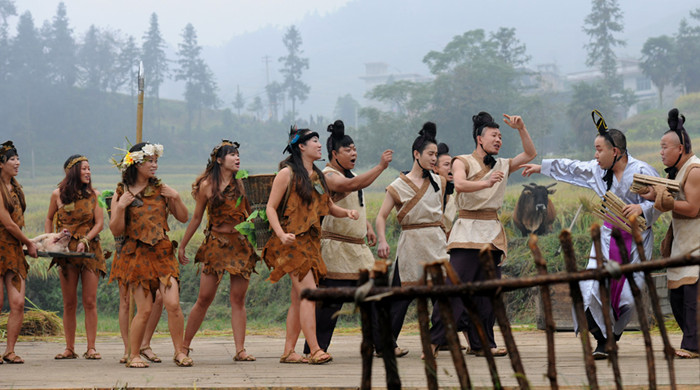
Loudi is the core birthplace of Meishan Culture, one of the most primitive and distinctive regional cultures in southern China. Before the Song Dynasty, this area was mainly inhabited by ancient Miao and Yao ethnic groups, retaining a large number of prehistoric worship rituals, hunting culture, and farming beliefs that have disappeared in most parts of China. After long-term ethnic integration, Loudi formed a unique folk system combining primitive animism, traditional Confucian rituals, and agricultural civilization.
The biggest feature of Loudi folk customs is ritual rigor and symbolic emphasis. Every traditional festival, wedding, funeral, and feast follows fixed ancient rules, focusing on ancestor worship, blessing harvest, family harmony, and life blessings. Local people adhere to the principle of respecting heaven and ancestors, valuing filial piety and kinship, forming simple, solemn, and down-to-earth folk ethics that distinguish Loudi culture from mainstream Changsha and Xiangnan folk customs.
Traditional Seasonal Festival Customs in Loudi
Loudi retains complete ancient festival procedures, with exclusive local rituals different from general Chinese festivals. Each solar term and traditional festival has standardized sacrificial, celebration, and taboos.
1. Spring Festival Unique Customs: Huochi Dragon and Spring Cow Dance
The most iconic Spring Festival tradition in Loudi is the Quanba Fire Dragon Dance in Shuangfeng County, a 500-year-old intangible cultural heritage. Different from ordinary dragon dances, the Quanba fire dragon features handmade bamboo frames and fire decorations. During Spring Festival nights, villagers parade with fire dragons through villages, illuminating rural alleys. The fire dragon dance is not only a celebration performance but also a ritual to pray for good weather, bumper harvests, and village safety in the new year.
In Lengshuijiang and Xinhua areas, locals hold the traditional Spring Cow Dance. Artisans weave spring cows with bamboo strips and colored paper, paired with Land God and Grandma Land performances. The lively folk performance prays for flourishing agriculture and smooth farming seasons, inheriting ancient farming worship customs.
Another exclusive Loudi New Year custom is New Year Bath Ritual. Local folk saying goes: “Better owe debt for the New Year than carry dirt into the New Year”. All family members must take a thorough bath before New Year’s Eve to wash away bad luck and mortal dust, welcoming a pure and auspicious new year.
2. Zhongyuan Festival (Ghost Festival): Ancestor Welcoming Rituals
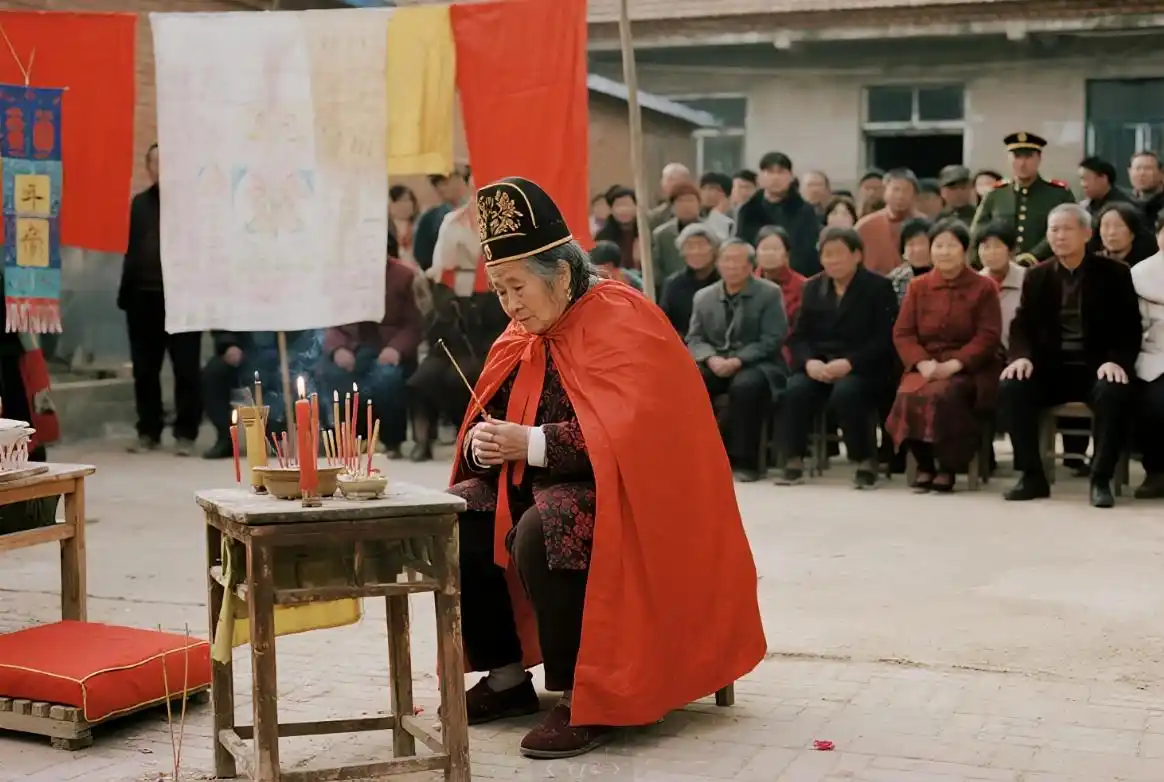
Loudi retains the most complete traditional Zhongyuan Festival rituals. Different from simplified modern celebrations, local villagers follow strict time-based procedures. On the 10th day of the 7th lunar month, families welcome newly deceased ancestors; on the 11th day, they welcome ancestral spirits of all generations. Every household burns incense and candles, sets up sacrificial tables with tea, wine, and fruits, and kneels to welcome ancestors home for festival reunion.
During the festival period, three daily formal sacrifices are offered. On the 14th day of the 7th lunar month, the grand send-off ritual is held to burn joss paper and spirit money, praying for ancestors’ peaceful afterlife and family blessings. This complete ancestor-worshipping procedure is a typical representative of Meishan folk piety culture.
3. Qingming and Double Ninth Festival Customs
On Qingming Festival, Loudi locals insist on tomb sweeping, weeding, and soil addition, with elaborate wine and food sacrifices to honor ancestors. On Double Ninth Festival, villages hold ancestor worship gatherings and elderly blessing rituals, advocating filial piety and respecting the aged, inheriting traditional clan ethics.
Loudi Traditional Wedding Etiquette (Complete Local Procedures)
Loudi’s traditional wedding customs strictly inherit ancient six-rite marriage systems with strong Meishan local characteristics, retaining detailed procedural rituals that have been simplified in most modern regions.
1. Matchmaking and Birth Date Matching Traditional Loudi weddings start with formal matchmaker introduction. After both families have mutual recognition, the bride’s family provides eight-character birth information. Professional folk masters match the couple’s fate to avoid zodiac conflicts and inauspicious combinations. Only compatible fates are approved for marriage alliance.
2. Engagement and Betrothal Gift Delivery After successful matching, the groom’s family sends formal betrothal gifts including grain, meat, wine, pastries, and cash dowry. Both families exchange confirmed birth date certificates to finalize the engagement, publicly recognized by the entire village clan.
3. Date Notification (Send Ri Zi) The groom’s family selects an auspicious wedding date through almanac calculation and formally sends the wedding date notice to the bride’s family with ritual gifts, completing the official wedding confirmation procedure.
4. Wedding Day Gate-Blocking and Welcome Rituals On the wedding day, the bride’s relatives set up gate-blocking rituals. The groom must complete blessing interactions and send red envelopes to enter. Local rural weddings retain traditional sedan chair picking-up ceremonies, with festive gongs, drums, and suona performances to celebrate the wedding.
5. Hall Worship and Tea Salutation Rituals After the bride arrives, the new couple worships heaven, earth, and ancestors, then performs tea salutation to elders. Elders grant blessing red envelopes, symbolizing family integration, harmony, and auspicious marriage.
Loudi Traditional Funeral and Meishan Sacrificial Customs
Rooted in ancient Meishan worship, Loudi’s funeral and sacrificial rituals are primitive and solemn, featuring unique local procedures different from other Hunan regions.
1. Traditional Bull Sacrifice Heritage (Historical Meishan Ritual) Ancient Loudi Meishan area retained the primitive bull sacrifice ritual, an ancient hunting civilization heritage. Villagers used cattle, the most precious farming asset, as sacrifices to ancestors, expressing the most sincere respect. Though simplified in modern times, the ritual’s cultural connotation of ancestor worship and gratitude is well preserved in local folk beliefs.
2. Complete Vigil and Transcendence Rituals Local funerals adhere to multi-day wake ceremonies. Taoist priests are invited to perform Meishan transcendence rituals, recite scriptures, and pray for the deceased’s peaceful soul. Descendants take turns keeping vigil day and night to ensure continuous incense, expressing filial piety and remembrance.
3. Post-Funeral Seven-Phase Memorial Rituals Loudi villagers strictly follow the 49-day seven-phase memorial system after burial, holding regular sacrifices to send blessings for the deceased’s reincarnation, inheriting ancient funeral etiquette norms.
Unique Meishan Water-Fire Banquet Etiquette
Meishan Water-Fire Banquet is the most representative catering folk custom in Loudi, a formal ritual feast for weddings, funerals, birthdays, and major village ceremonies, with rigorous ancient rules and profound educational connotations.
The banquet integrates sour, sweet, bitter, and spicy flavors, symbolizing the philosophy that life requires experiencing all hardships to achieve success, reflecting local people’s diligent and resilient spirit. The seat arrangement follows the ancient rule of paternal uncles precede, maternal uncles rank highest. The main seat faces the ancestral hall direction, with strict hierarchical seating based on seniority and kinship, no random seating allowed.
Different dishes correspond to different ritual meanings. Noodles and tofu are essential auspicious dishes for birthday and funeral banquets, representing longevity and pure blessing. The entire banquet process follows standardized serving sequences, toast etiquette, and guest reception norms, fully embodying the rigorous ritual system of Meishan folk culture.
Intangible Cultural Heritage Folk Arts of Loudi
Loudi’s folk customs are vividly displayed through various ancient intangible cultural heritage performances, forming unique local cultural symbols.
1. Xinhua Mountain Songs With a history of more than 2,000 years, Xinhua folk mountain songs originated in the pre-Qin period, flourished in the Tang and Song dynasties. Classified into high-pitched and flat tunes, the songs cover labor scenes, festival celebrations, love expressions, and ritual blessings, recording the working life and spiritual world of Meishan people.
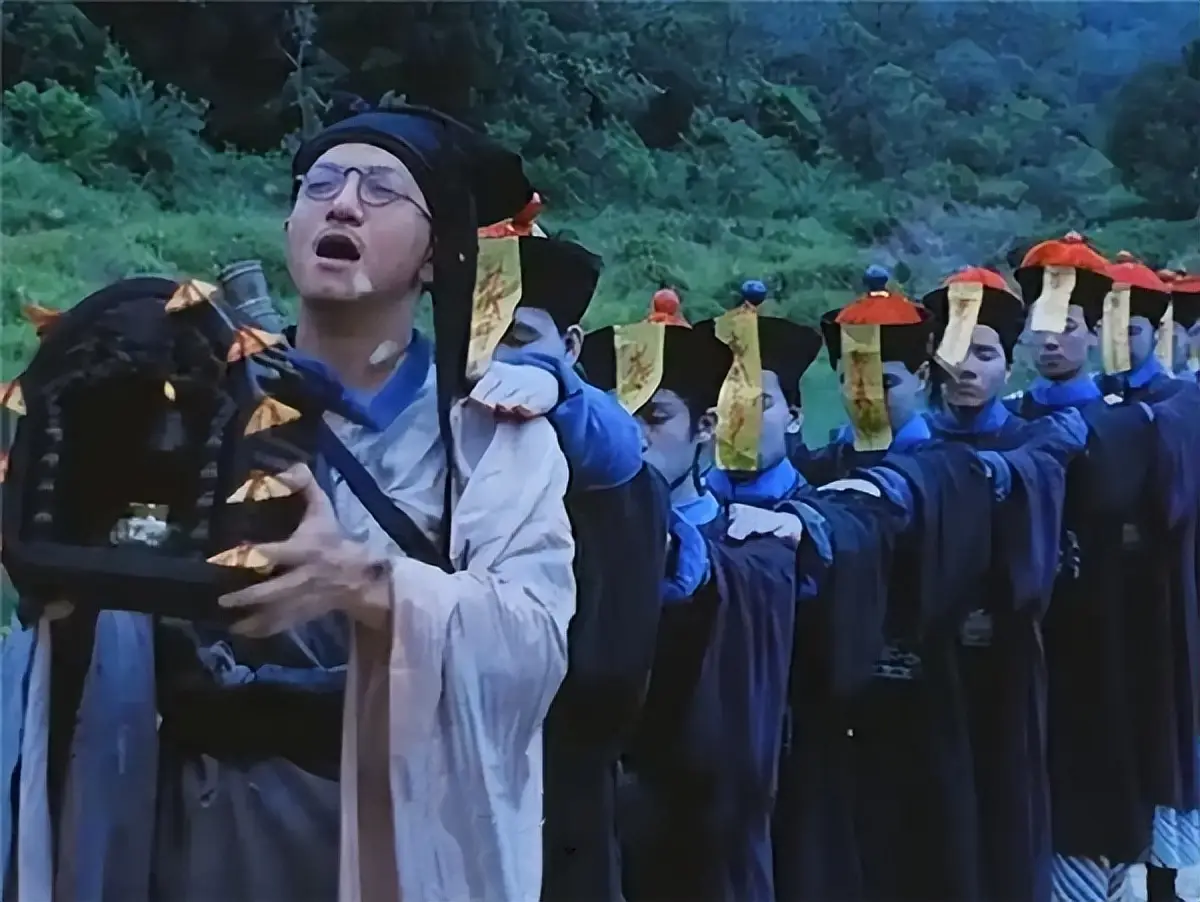
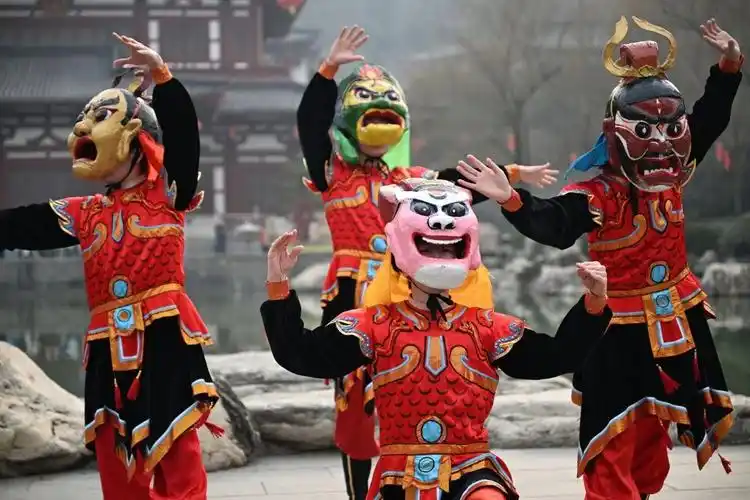
2. Meishan Nuo Opera Meishan Nuo Opera is a primitive sacrificial performance art in Loudi. Performers wear sacred Nuo masks to perform traditional dramas, entertaining ancestors and gods through exaggerated body movements and ancient tunes. It undertakes the folk functions of exorcising evil, praying for blessings, and safeguarding village peace, known as the “living fossil of ancient Meishan culture”.
Daily Folk Taboos and Life Customs
Loudi rural areas retain many down-to-earth daily folk taboos and living rituals passed down through generations. Villagers avoid impolite behaviors during festivals and rituals, respect ancestral halls and sacred trees, and adhere to traditional farming and solar term taboos. These subtle daily norms maintain the stability of local folk customs and inherit simple moral concepts of respecting nature and ancestors.
Cultural Value and Modern Inheritance
As the core carrier of Meishan civilization, Loudi folk customs integrate primitive hunting culture, ancient farming civilization, Confucian ritual ethics, and multi-ethnic folk traditions. From grand seasonal festivals and life rituals to subtle daily etiquette and feast norms, every custom carries local people’s reverence for nature, gratitude for ancestors, and pursuit of family harmony and good fortune. In modern society, while abandoning superstitious dross, the core positive cultures of filial piety, ritual propriety, diligence, and inheritance have been well preserved, becoming precious intangible cultural heritage and a distinctive business card of central Hunan folk culture.