




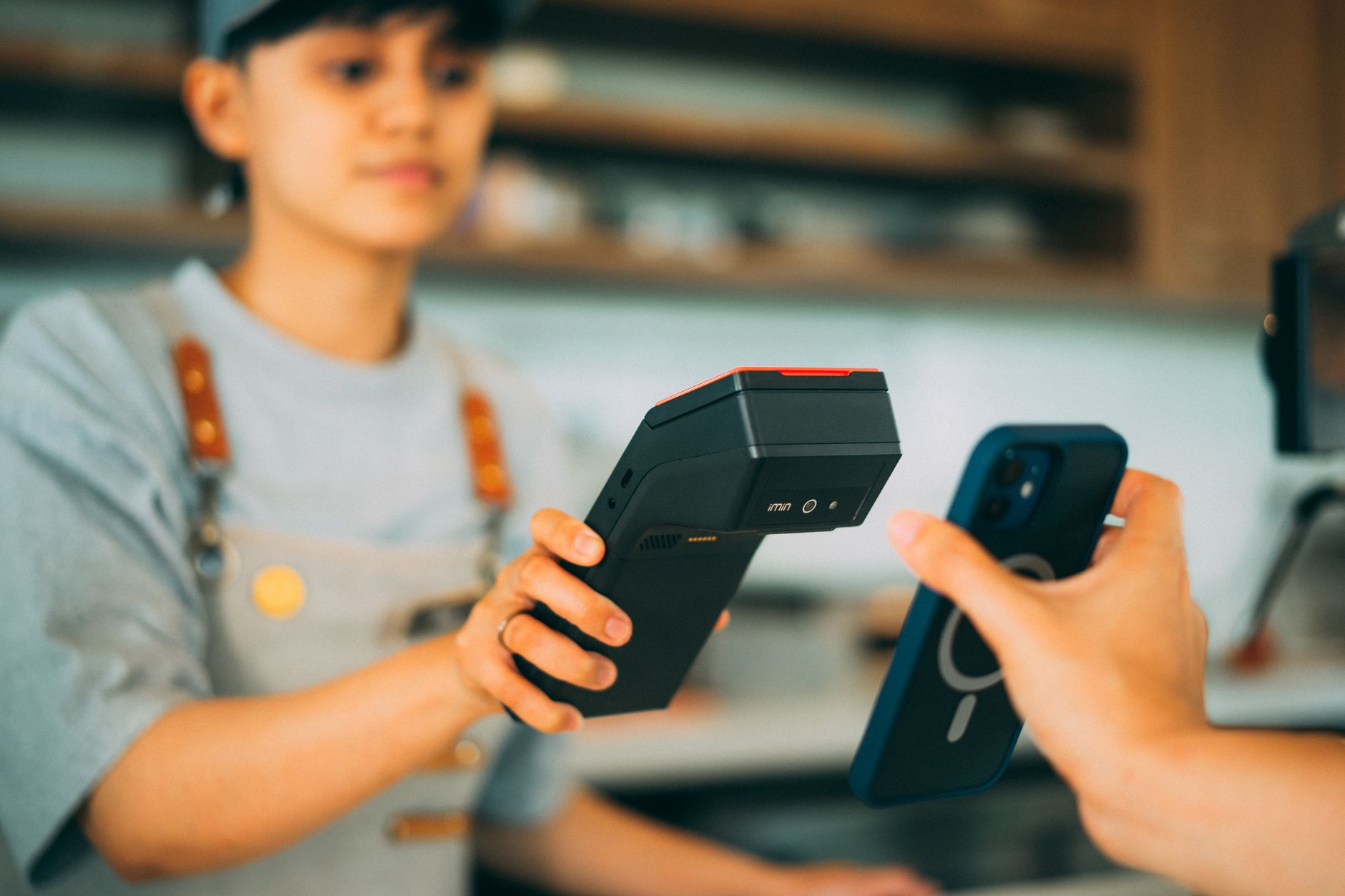
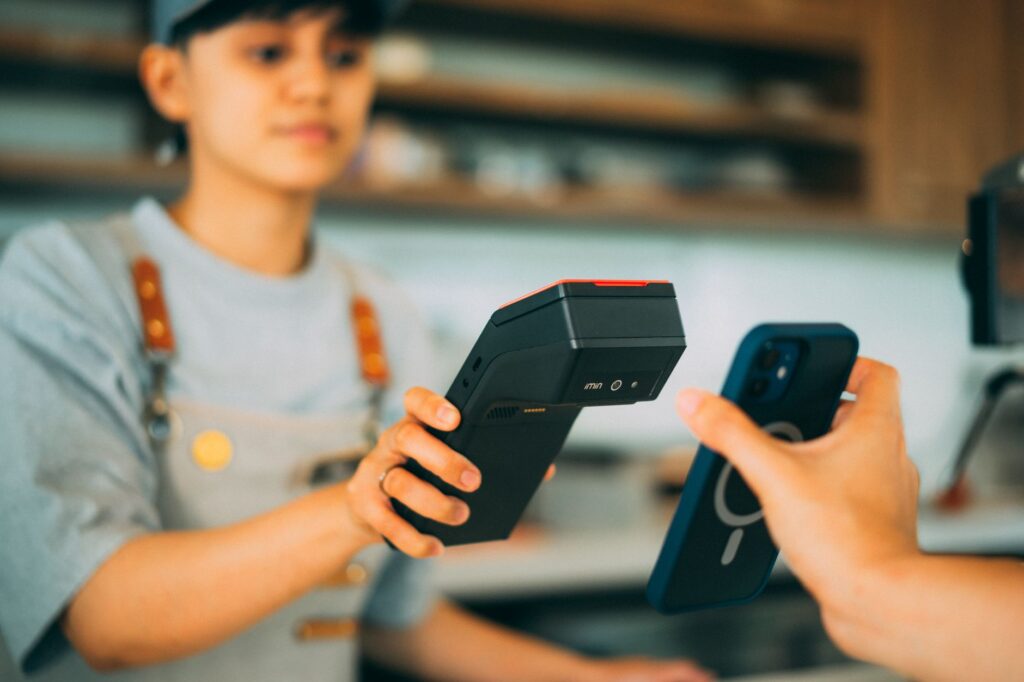
If you visit China today, you might notice something surprising: many people never take out a wallet.
Instead, they simply scan a QR code with their smartphone to pay for everything—from a cup of coffee to a taxi ride, from groceries to street food.
For many foreign visitors, this raises an obvious question:
Has China become a cashless society?
The answer is almost yes. While cash is still legal and accepted in principle, mobile payments have become the default way to pay for everyday purchases across the country.
Almost Everything Can Be Paid for With a QR Code
One of the most striking things about daily life in China is how universal QR code payments are.
You can pay with your phone at:
- Street food stalls
- Farmers’ markets
- Convenience stores
- Restaurants
- Shopping malls
- Taxis
- Hair salons
- Hospitals
- Tourist attractions
Even someone selling fruit from a roadside cart often has a printed QR code ready for customers to scan.
For many Chinese people, reaching for cash simply feels unnecessary.
Two Apps Changed Everything
China’s mobile payment revolution has largely been driven by two apps:
- Alipay
Both apps combine digital wallets with banking services, allowing users to pay instantly by scanning QR codes.
Since many people already used these apps daily for messaging, shopping, or other online services, adding payment functions made the transition remarkably smooth.
Today, it’s common for people to use one of these apps dozens of times a day.
Why QR Codes Instead of Credit Cards?
Many visitors wonder why China skipped widespread credit card usage.
The timing played an important role.
As smartphones became affordable in the 2010s, mobile internet expanded rapidly across China. Instead of investing heavily in traditional card payment infrastructure, many businesses adopted QR code payments because they were inexpensive and easy to set up.
A small vendor only needed a printed QR code instead of a costly card terminal.
This made digital payments accessible even to tiny family-run businesses.
Even Small Businesses Prefer Mobile Payments
One reason mobile payments spread so quickly is that they benefit both customers and merchants.
For business owners, QR code payments mean:
- No need to handle change
- Faster transactions
- Automatic payment records
- Lower equipment costs
- Reduced risk of counterfeit banknotes
For customers, paying is often as simple as opening an app and scanning a code.
What About Cash?
Cash hasn’t disappeared.
Chinese law requires that the official currency, the renminbi, remains legal tender, and businesses are generally expected to accept cash.
However, in practice, some smaller shops may rarely handle cash because almost all of their customers pay digitally. As a result, paying with banknotes can occasionally be less convenient simply because merchants may have limited change available.
Can Foreign Tourists Use Mobile Payments?
Yes—and it’s much easier than it used to be.
In recent years, both WeChat Pay and Alipay have introduced features that allow many international visitors to link eligible foreign bank cards to their accounts.
This means tourists can often pay the same way locals do, making travel around China much more convenient than in the past.
Even so, carrying a small amount of cash remains a good backup option.
Is China the Most Cashless Country in the World?
China is certainly one of the world’s leading mobile payment markets.
Countries like Sweden and Singapore are also highly cashless, but China’s scale is unique. With hundreds of millions of people using QR code payments every day, mobile payments have become deeply integrated into everyday life.
For many Chinese consumers, paying with a phone isn’t a new technology—it’s simply the normal way to buy almost anything.
Final Thoughts
China’s move toward a cashless society wasn’t driven by the disappearance of money—it was driven by convenience.
Cheap QR codes, widespread smartphone use, and easy-to-use payment apps transformed how people shop, travel, and dine.
For first-time visitors, it can feel almost futuristic to see everyone paying with a quick scan. But for people living in China, it’s just another ordinary part of daily life—one that has quietly reshaped the country’s economy and consumer habits.