

Shuangfeng County, located in the hinterland of central Hunan and under the jurisdiction of Loudi City, is reputed as the hometown of the Xiangjun Army, a famous cultural county of family traditions, a profound red land and an ecological water town. With a unique tourism positioning centered on traditional family tradition culture and red revolutionary culture, it forms an all-for-one tourism pattern integrating cultural study, red education, ecological sightseeing and rural vacation. As a benchmark destination for research and study tourism in central Hunan, Shuangfeng features profound cultural heritage, original ecological scenery and simple folk customs, becoming a high-quality hidden gem for short-distance study tours and in-depth cultural vacations.
1. Core Cultural Attractions: Hometown of Zeng Guofan
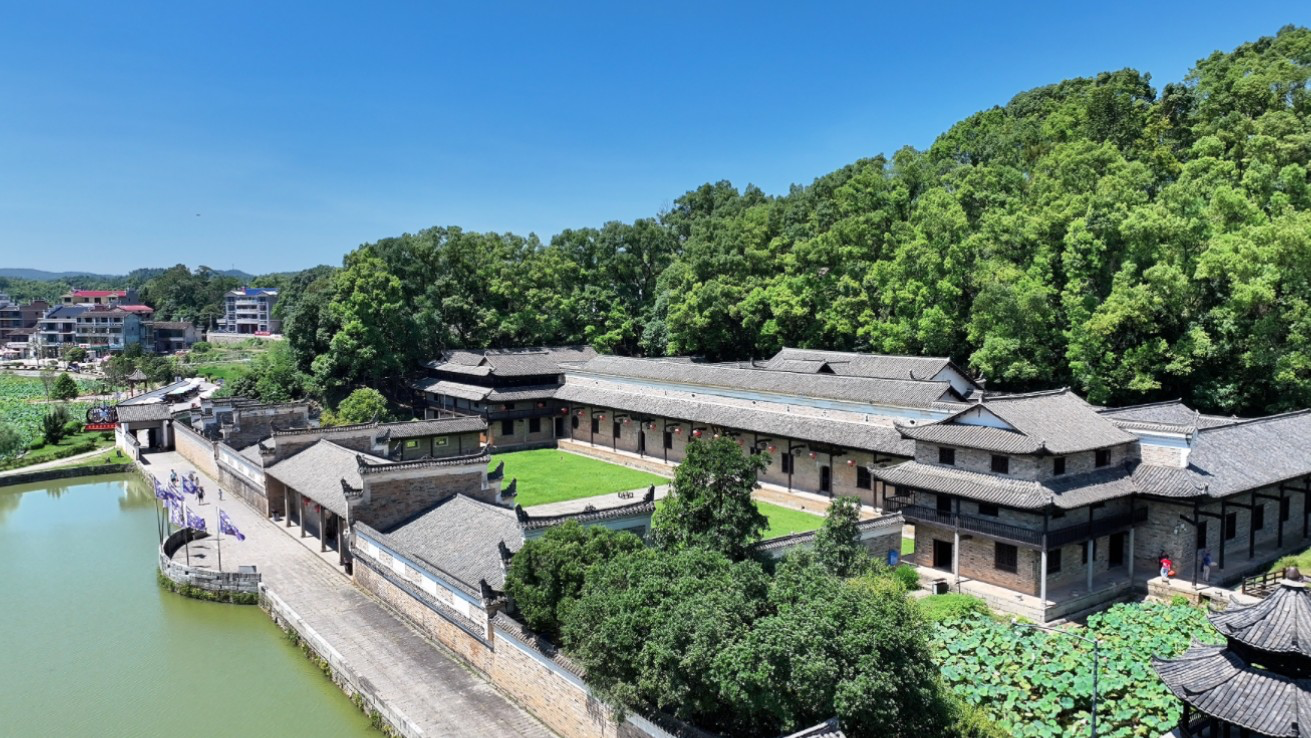
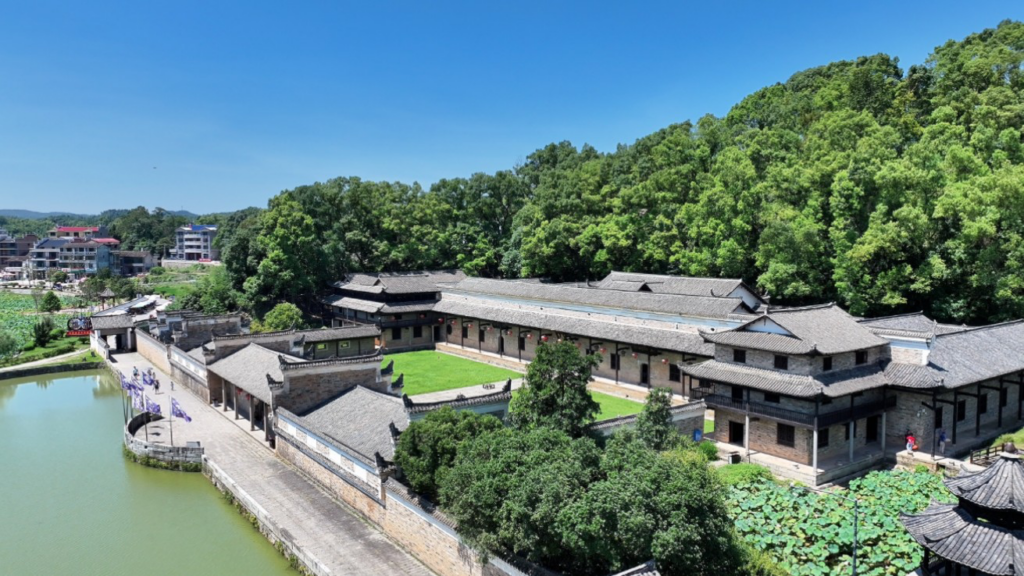
Zeng Guofan Former Residence (Fuhou Hall), a national 4A-level scenic spot and national key cultural relic protection unit, is known as the “No.1 Marquis Mansion in Rural China”. Built in the Tongzhi period of the Qing Dynasty, the grand and simple ancient architectural complex covers an area of more than 40,000 square meters. It preserves classic courtyards such as Eight Ben Hall and Queque Study, fully embodying the traditional Chinese spirit of “cultivating land and reading to inherit family traditions”. Surrounded by lotus ponds and ancient cypresses, the scenic spot has elegant scenery all year round. It is the core base for traditional family tradition education, Xiangjun culture research and cultural study tours in China.
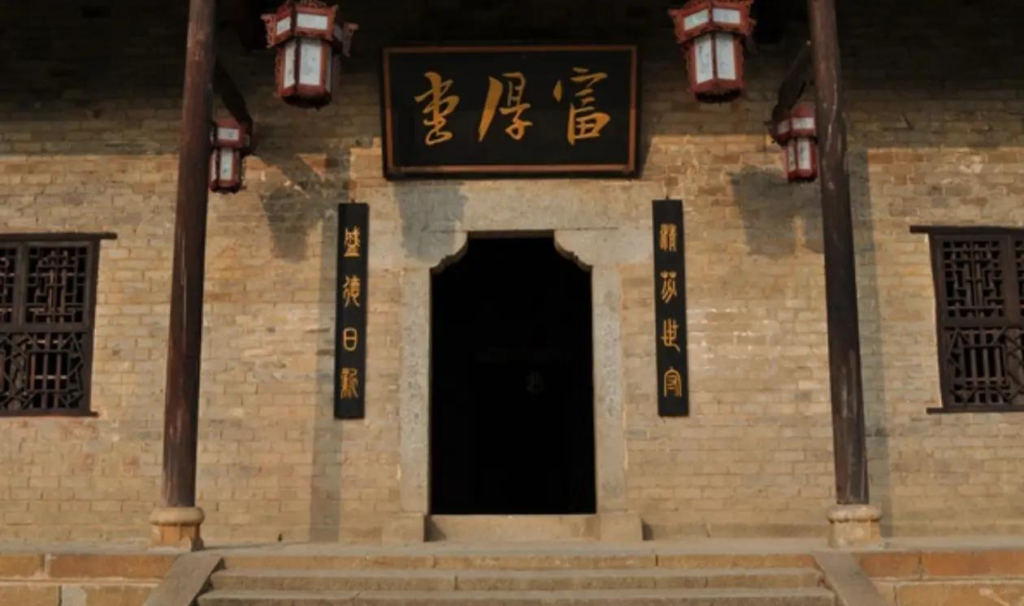
The adjacent Baiyu Hall and Huangjin Hall constitute a complete former residence group of Zeng Guofan. Baiyu Hall, the birthplace of Zeng Guofan, retains the original style of rural dwellings in the Qing Dynasty, presenting the growth and study experience of the famous minister in his early years. The clustered ancient buildings interpret the century-old family inheritance spirit of diligence, frugality and studiousness, with extremely high humanistic research and tour value.
2. Red Tourism Resources: Revolutionary Education Base
Shuangfeng is the hometown of Cai Hesen and Cai Chang, outstanding proletarian revolutionaries. Cai Hesen and Cai Chang Former Residence (Guangjia Hall) and Cai Hesen Memorial Hall are key red education bases in Hunan Province. The well-preserved ancient dwellings and rich exhibition materials systematically show the glorious revolutionary deeds of early revolutionaries. Together with the Qingshuping Battle Memorial Tower, they form a complete red tourism system, which is an important place for party history education and youth red study tours.
3. Ecological and Natural Scenery
Jiufeng Mountain Provincial Forest Park is a 3A-level scenic spot with dense forests, fresh air and quiet mountain scenery. With ancient temples, thousand-year-old trees and winding mountain trails, it is an ideal place for forest hiking, health preservation and ecological leisure.
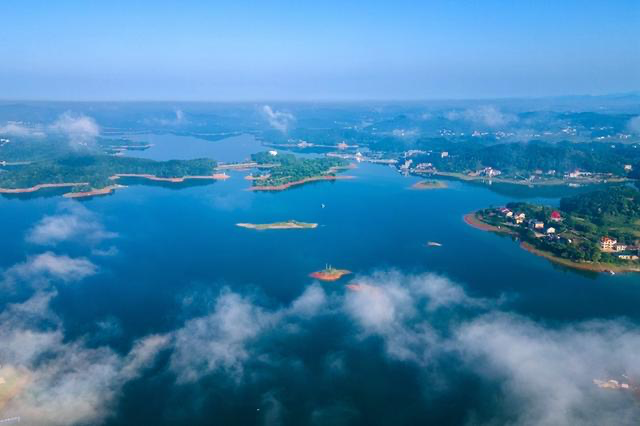
Shuifu Temple Wetland Park features vast lake surfaces, scattered islands and lush green mountains. The original wetland ecology and pleasant waterfront scenery support diverse leisure experiences such as boating, camping, fishing and lakeside walking, known as the “Little Dongting of Central Hunan”.
Luoyang Bay Scenic Area, with ancient river banks, old wharves and ancient trees, retains primitive waterfront charm and ancient cultural ambiance, suitable for casual sightseeing and folk custom photography.
4. Rural Tourism and Local Specialties
Shuangfeng boasts abundant rural tourism resources, including Gui Gu International Rural Resort, seasonal flower bases and pastoral sightseeing zones. Tourists can experience farming picking, flower viewing and rural camping. The famous local specialty Yongfeng Chili Sauce, a national geographical indication product, together with authentic Shuangfeng rice noodles and rural farm dishes, forms a unique local food culture.
5. Tourism Advantages and Value
Shuangfeng takes cultural research and red education as its core tourism competitiveness, supported by original ecological landscapes and simple rural customs. Without excessive commercialization, it presents distinct seasonal scenery and diverse travel experiences. It fully meets the needs of parent-child study tours, red education, cultural photography, forest health preservation and short-distance rural vacations, standing as a characteristic and cost-effective cultural tourism destination in central Hunan.