


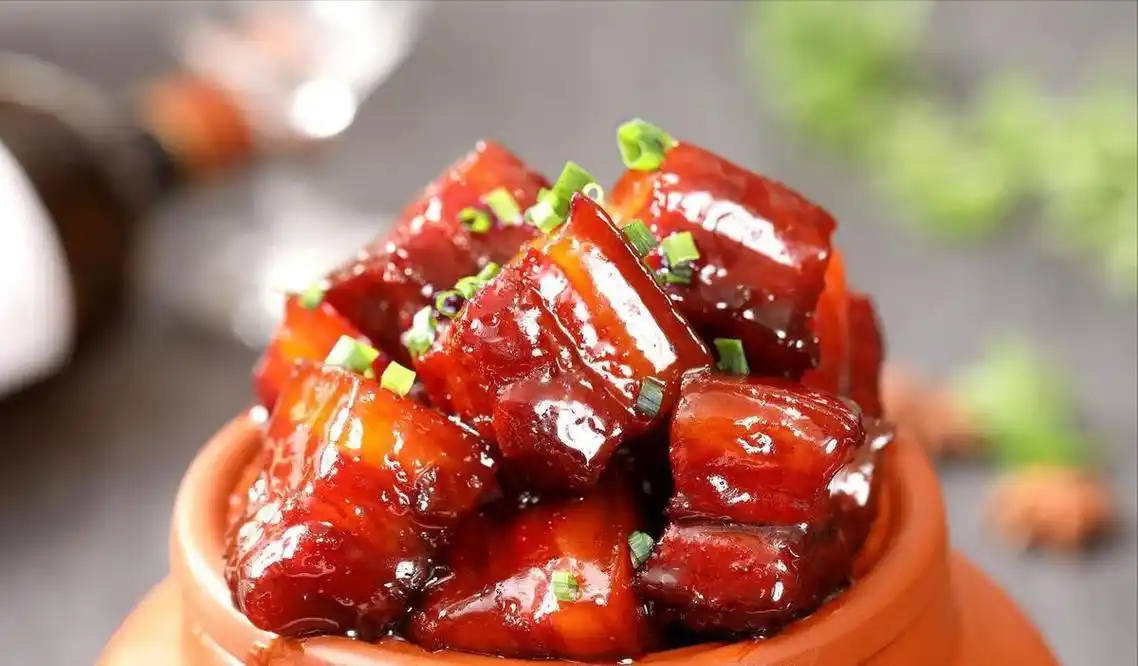
Shanghai, a city that combines historical heritage with modern charm, has a food culture like a vivid history book. Each dish carries unique stories and memories. Now, let’s explore five classic Shanghai local delicacies and the legends behind them.
1. Braised Pork in Soy Sauce: The Shanghai – style Sentiment of Rich Oil and Dark Sauce
Braised Pork in Soy Sauce is a typical representative of Shanghai cuisine, vividly demonstrating the characteristics of Shanghai – style cuisine with its rich oil and dark sauce. Its history can be traced back to ancient times. At that time, people used soy sauce and sugar to stew pork to preserve the meat, gradually forming a unique flavor. In Shanghai, Braised Pork in Soy Sauce has been continuously improved and has become a regular on every family’s dining table.
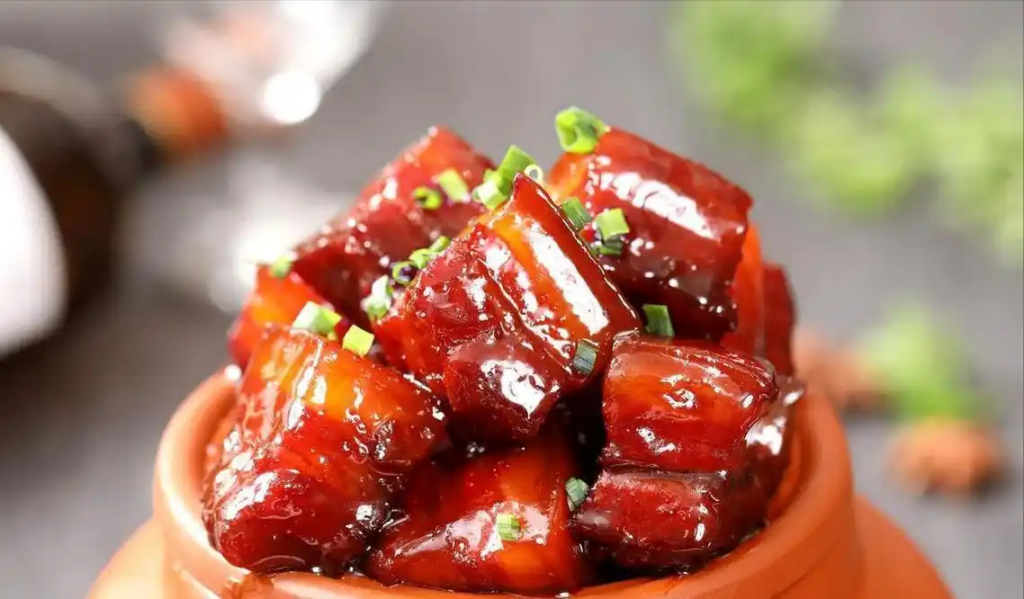
The selection of ingredients for Shanghai – style Braised Pork in Soy Sauce is meticulous. Usually, streaky pork with an even distribution of fat and lean is chosen and cut into evenly – sized cubes. First, put the streaky pork into cold water, add scallions, ginger, and cooking wine, and blanch it to remove blood and impurities. Heat the pan and add cool oil, then put in rock sugar to stir – fry until it turns into caramel color and small bubbles appear. Add the blanched streaky pork and stir – fry to color it. Subsequently, add light soy sauce and dark soy sauce for seasoning and coloring, then pour in an appropriate amount of water to cover the meat. Put in star anise, cinnamon, and other spices. Bring to a boil over high heat and then simmer over low heat. After about 40 – 50 minutes of simmering, the meat becomes soft, glutinous, and sweet, and the soup is thick and bright red. At this time, turn to high heat to reduce the sauce until each piece of braised pork is coated with a rich sauce. Shanghai – style Braised Pork in Soy Sauce has a soft and glutinous texture, is fatty but not greasy, and melts in the mouth. The combination of sweetness and saltiness is a treat for the taste buds, carrying the homesickness of Shanghai people.
2. Sweet and Sour Spare Ribs: The Intertwined Sweet – Sour Childhood Memories
Sweet and Sour Spare Ribs is a traditional home – cooked dish deeply loved by Shanghai citizens, especially popular among children. It originated from the folk in Shanghai. Initially, housewives created this dish by ingeniously combining spare ribs with a sweet – sour flavor to encourage children to eat more meat.
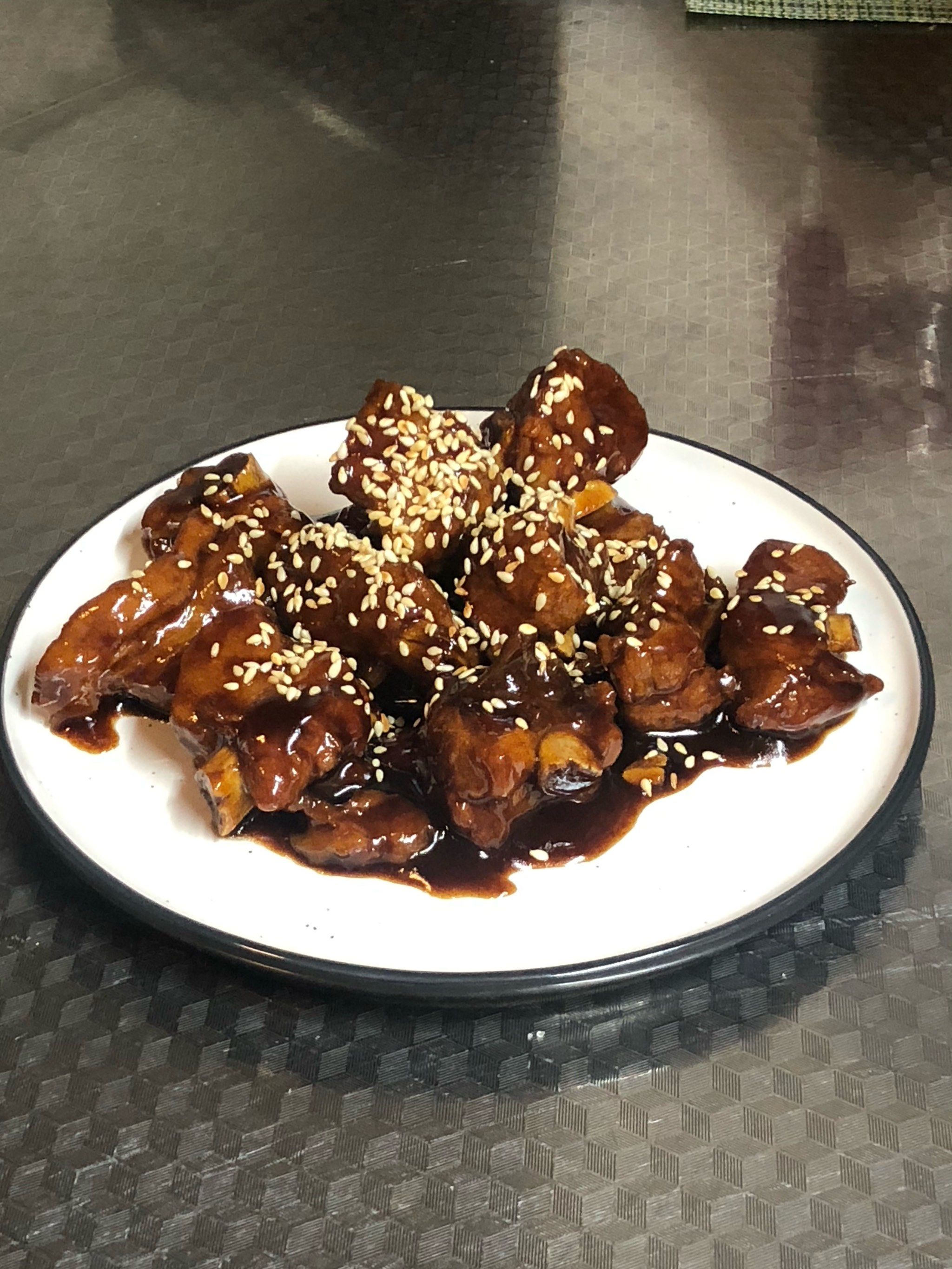
To make Sweet and Sour Spare Ribs, first select fresh pork ribs and cut them into uniform small sections. Put the ribs into cold water, add scallions, ginger, and cooking wine, and blanch them to remove fishy smell. Pour oil into the pan. When the oil is hot, put in the ribs and fry until both sides turn golden brown, then set aside. Next, leave a little oil in the pan, put in rock sugar to stir – fry until it turns into caramel color, then add an appropriate amount of vinegar, light soy sauce, dark soy sauce, and water to make a sweet – sour sauce. Put in the fried ribs, bring to a boil over high heat, and then simmer over low heat for about 30 minutes to let the ribs fully absorb the flavor of the sweet – sour sauce. Finally, turn to high heat to reduce the sauce until it becomes thick and coats the ribs. Sprinkle with roasted sesame seeds. This dish has a bright red color, a sweet – sour taste, and is crispy on the outside and tender on the inside. Taking a bite, the sweet – sour flavor instantly spreads in the mouth, evoking the beautiful childhood memories of countless Shanghai people.
3. Stir – Fried Prawns: A Unique Interpretation of Shanghai – style River Prawns
Stir – Fried Prawns is a classic river – prawn dish in Shanghai, demonstrating the unique cooking wisdom of Shanghai people for river – prawn ingredients. Shanghai is located in the Jiangnan water – town area, rich in river – prawn resources, providing unique conditions for the birth of this dish.

To make Stir – Fried Prawns, select fresh river prawns, cut off the prawn whiskers and feet. Heat the pan and pour in enough oil until it reaches 70 – 80% heat (about 180 – 200℃). Put the prawns into the hot oil and quickly fry until the prawn shells turn red and the prawn meat becomes firm. Take out the prawns and drain the oil. Leave a little oil in the pan, add scallions and ginger to sauté until fragrant. Add an appropriate amount of light soy sauce, dark soy sauce, sugar, vinegar, and cooking wine to make a seasoning sauce. Pour in the fried prawns and stir – fry quickly so that each prawn is evenly coated with the seasoning sauce, fully absorbing its flavor. When served, the prawn shells are crispy, the prawn meat is tender, and the taste is moderately sweet and salty. The freshness of the prawns is fully enhanced, making it a flavorful dish on the dining table of Shanghai people.
4. Stir – Fried Eel Paste with Scallion Oil: The Perfect Integration of Tradition and Delicacy
Stir – Fried Eel Paste with Scallion Oil is a Shanghai famous dish with a profound historical heritage. It originated in the Jiangnan region and was further developed in Shanghai. In the past, eels were common ingredients in the Jiangnan water – town area, and local chefs made them into delicious dishes through unique cooking methods.

To make Stir – Fried Eel Paste with Scallion Oil, first cut the eels into shreds and blanch them in boiling water to remove mucus. Pour oil into the pan. When the oil is hot, add scallions and ginger to sauté until fragrant. Add the eel shreds and stir – fry until they change color. Add an appropriate amount of cooking wine, light soy sauce, dark soy sauce, sugar, and white pepper powder for seasoning, stir – fry evenly, and then add an appropriate amount of water and simmer for a few minutes to let the eel shreds absorb the flavor. Then, thicken the soup with starch water. Put the stir – fried eel paste on a plate, sprinkle with minced garlic and scallions on the surface. Finally, heat a little more oil in the pan until it smokes, and pour the hot oil over the minced garlic and scallions. Instantly, there is a “sizzling” sound, and the aroma spreads. Stir – Fried Eel Paste with Scallion Oil has a tender taste, a strong garlic flavor, and the eel shreds are smooth. It is one of the traditional delicacies loved by Shanghai people, reflecting the inheritance of Shanghai’s food culture.
5. Noodles with Dried Shrimps and Scallion Oil: The Ultimate Delicacy in Simplicity
Noodles with Dried Shrimps and Scallion Oil is a traditional noodle dish in Shanghai. Simple as it seems, it contains the unique understanding of food by Shanghai people. It originated from the streets and alleys of Shanghai, created by working people to quickly make a delicious and filling meal.
To make Noodles with Dried Shrimps and Scallion Oil, first prepare the ingredients. Soak dried shrimps (dried small shrimps) in warm water and cut them into small sections. Cut scallions into scallion flowers and fry them in hot oil. Control the heat when frying scallions, fry them slowly over low heat to let the flavor of scallions fully penetrate into the oil until the scallions turn golden brown. Take out the fried scallions and set aside, and the scallion oil is ready. Then, cook the noodles in boiling water until they are done, take them out and drain the water, and put them in a bowl. Put the soaked dried shrimps and fried scallions on the noodles, then pour a spoonful of hot scallion oil, and immediately the aroma of scallions spreads. Add an appropriate amount of light soy sauce, dark soy sauce, sugar, and a little high – stock or boiling water according to personal taste and mix well. Noodles with Dried Shrimps and Scallion Oil have a smooth texture, and the aroma of scallions and the freshness of dried shrimps blend together. Although the ingredients are simple, the taste is very rich. It is a common food in the daily life of Shanghai people, representing the simple and real taste of life in Shanghai.
These classic Shanghai local delicacies not only satisfy people’s taste buds but also become important carriers of Shanghai’s history and culture, allowing everyone who tastes them to feel the unique charm of this city.