


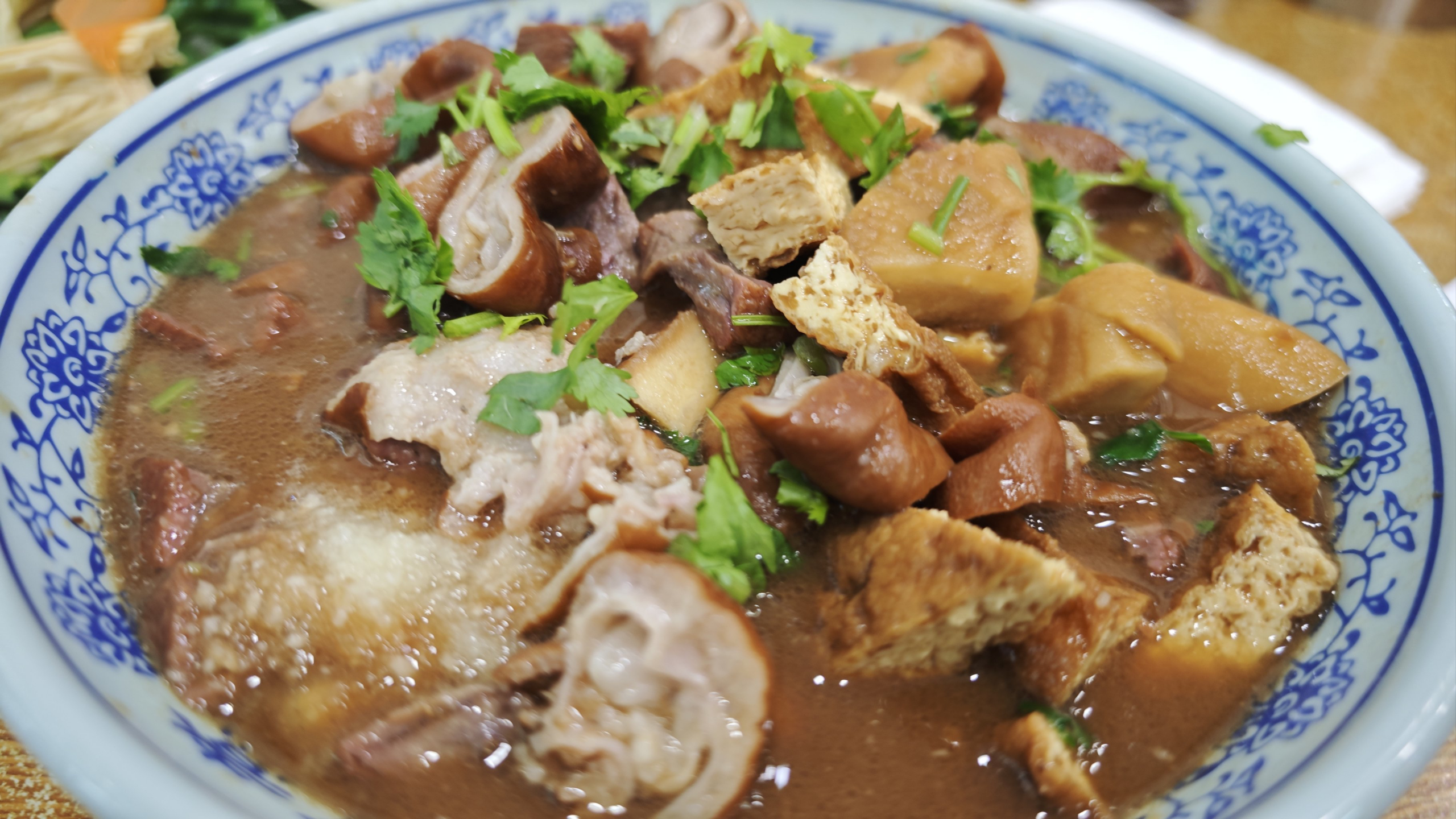
Among the food landscape of Beijing, stewed and simmered dishes hold a special place. Seemingly ordinary, they have become an inalienable taste memory for old Beijingers with their rich and mellow flavors and profound cultural heritage. They are also attracting an increasing number of out – of – town tourists to explore. What kind of stories and cultural connotations lie behind this food full of urban flavor?
I. The Origin and Development of Beijing Stewed and Simmered Dishes
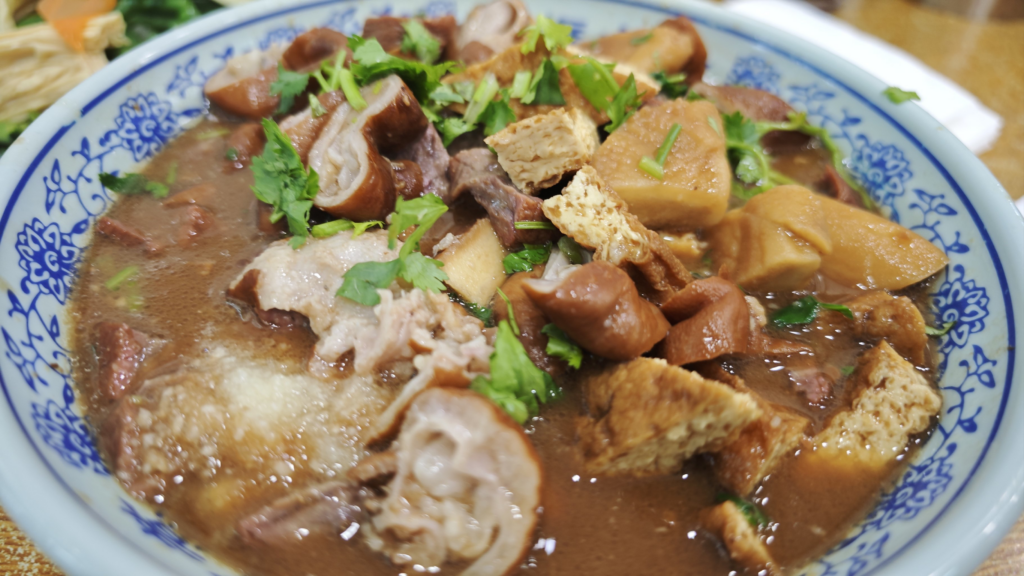
- Birth BackgroundThe origin of Beijing stewed and simmered dishes can be traced back to the Qing Dynasty. At that time, in order to meet the taste preferences of the royal family, the imperial kitchen created a dish mainly made of streaky pork, named “Suzhou – style Braised Pork”. With its unique ingredients and stewing techniques, Suzhou – style Braised Pork was rich in meat flavor, fatty but not greasy, and deeply loved by the royal family. However, due to the relatively high price of streaky pork, it was difficult for ordinary people to enjoy it frequently. In order to allow more people to taste similar delicious food, smart folk chefs replaced streaky pork with relatively inexpensive ingredients such as pig head meat and pig offal, and borrowed the stewing method of Suzhou – style Braised Pork to create stewed and simmered dishes that suited the taste and affordability of the general public.
- Early DevelopmentInitially, there were no fixed stores for stewed and simmered dishes. Most of them were sold by hawkers pushing carts, going through the streets and alleys. These hawkers usually set out in the evening and stopped at busy places such as alley entrances and street sides. They set up stoves and stewed the dishes on – site. The aroma of the stewed and simmered dishes spread with the hot air, attracting passers – by. Hearing the hawkers’ shouts, people gathered around. For a small amount of money, they could have a bowl of steaming stewed and simmered dishes, which not only filled their stomachs but also satisfied their cravings. This mobile selling method made stewed and simmered dishes spread rapidly among the people and become a common food in the daily life of ordinary Beijingers.
- The Rise of Store OperationsAs the popularity of stewed and simmered dishes continued to increase, some hawkers began to choose fixed locations to open stores, ending their mobile business days. These stewed and simmered dish stores usually had small storefronts and simple decorations, but they were full of a strong urban flavor. There were several tables and chairs placed in the store, and simple decorations hung on the walls. Customers sat in the store, tasting the stewed and simmered dishes while chatting with the boss and neighbors in a very harmonious atmosphere. The stewed and simmered dish stores became places for people to communicate, carrying the human – relations and worldly wisdom of old Beijing.
II. The Cultural Connotations Behind Beijing Stewed and Simmered Dishes
- A Representative of Common People’s FoodBeijing stewed and simmered dishes, with their affordable prices and rich tastes, are typical representatives of Beijing’s common people’s food. The ingredients used, such as pig head meat, pig lungs, and pig large intestines, were considered relatively inexpensive parts in the past. However, after careful stewing, they can emit a unique aroma. This food reflects the wisdom of the working people. They are good at using limited ingredients to create delicious food. Stewed and simmered dishes are not only a kind of food but also a portrayal of the lives of ordinary Beijingers, reflecting their optimistic and pragmatic attitude towards life.
- A Symbol of Tolerance and IntegrationBeijing stewed and simmered dishes have a wide variety of ingredients, including different parts of the pig’s meat and internal organs. These various ingredients are stewed in the same pot of brine, integrating with each other while still retaining their unique textures. This characteristic of tolerance and integration is similar to the cultural characteristics of Beijing. As an ancient capital with a long history, Beijing has attracted people from all over the country. Different cultures collide, communicate, and integrate here. Stewed and simmered dishes are like a small microcosm, demonstrating the inclusiveness and diversity of Beijing culture.
- The Inheritance of Traditional TechniquesThe production process of stewed and simmered dishes seems simple, but it actually contains rich traditional techniques. From the selection and processing of ingredients to the preparation of brine and the control of heat, every link has strict requirements. The brine is the soul of stewed and simmered dishes. It is carefully boiled from a variety of spices, and the types and proportions of spices directly affect the taste of the stewed and simmered dishes. The old brine is the “family heirloom” of stewed and simmered dish stores. The older it is, the 更香 it becomes. After years of stewing, the brine has incorporated the essence of countless ingredients. The stewed and simmered dish chefs pass on these traditional techniques from generation to generation through oral instruction and personal demonstration, enabling this delicious food to be passed down to this day and become an important part of Beijing’s food culture.
III. Stories and Memories Related to Beijing Stewed and Simmered Dishes
- Celebrities and Stewed and Simmered DishesStewed and simmered dishes are deeply loved by many celebrities, and Mr. Lao She is one of them. In his works, Mr. Lao She depicted the urban life of Beijing many times, and often mentioned stewed and simmered dishes. The characters in his works often, in their busy lives, have a bowl of stewed and simmered dishes to feel the rich flavor and the warmth of the urban area. Mr. Lao She’s love for stewed and simmered dishes not only reflects his love for Beijing’s traditional culture but also makes more people understand the important position of stewed and simmered dishes in the lives of old Beijingers.
- Childhood Memories of Old BeijingersFor many old Beijingers, stewed and simmered dishes carry the beautiful memories of their childhood. When they were young, what the children looked forward to most was hearing the shouts of the stewed and simmered dish hawkers in the hutongs. Whenever this happened, they would eagerly take their bowls and chopsticks and run to the hawker’s cart. They watched the hawker pick out pieces of stewed and simmered dishes from the steaming pot, cut them into small pieces, put them in a bowl, and then pour a spoonful of thick brine. The children stood on the street corner, eating with relish. The taste of stewed and simmered dishes accompanied their growth and became an indispensable part of their childhood life. Even after many years, the attachment to stewed and simmered dishes is still deeply imprinted in their hearts.
- Stories of Stewed and Simmered Dish StoresIn the streets and alleys of Beijing, every stewed and simmered dish store has its own story. There is an old store that has been in business for decades. The boss has been making stewed and simmered dishes since he was young and has always insisted on using traditional methods. The brine in the store has a history of several decades. This store has witnessed the development and changes of the surrounding area. Many old customers have been eating here since they were young. Even if they have moved to other places, they will often come back. A deep relationship has been established between the boss and the customers. The customers not only come to taste the delicious stewed and simmered dishes but also to feel the familiar atmosphere and the strong human touch.
IV. The Development and Challenges of Beijing Stewed and Simmered Dishes in Modern Society
- Spreading Across the CountryWith the increasing convenience of transportation and frequent cultural exchanges, stewed and simmered dishes are no longer limited to the Beijing area and have begun to spread across the country. More and more cities have stewed and simmered dish stores, giving more people the opportunity to taste this special Beijing food. In order to adapt to the tastes of different regions, some stewed and simmered dish stores have appropriately improved the dishes. For example, they adjust the saltiness of the brine, increase or decrease the use of spices, etc., so that stewed and simmered dishes can be better accepted by diners from all over the country.
- Innovation and InheritanceIn modern society, some stewed and simmered dish stores have made bold innovations to attract young customers. Based on traditional stewed and simmered dishes, they have launched some new dishes, such as stewed and simmered dish hot pots, stewed and simmered dish burgers, etc., combining stewed and simmered dishes with modern popular catering forms. At the same time, these stores also pay attention to the inheritance of traditional techniques. By training young chefs, the production techniques of stewed and simmered dishes can be continued. However, in the process of innovation, there are also some challenges. How to innovate while maintaining the traditional flavor of stewed and simmered dishes has become a question that stewed and simmered dish stores need to consider. If the innovation is excessive, the original characteristics of stewed and simmered dishes may be lost, disappointing old customers. And if it is too conservative, it will be difficult to attract the attention of the younger generation.
- Quality and HygieneAs consumers’ requirements for food safety and quality are getting higher and higher, stewed and simmered dish stores also face challenges in terms of quality and hygiene. The processing of pig offal and other ingredients needs to be particularly careful. If not processed properly, it is easy to produce peculiar smells or have hygiene risks. Some stewed and simmered dish stores may not be strict enough in the selection and processing of ingredients in order to reduce costs. This not only affects the quality of stewed and simmered dishes but also damages the reputation of stewed and simmered dishes. Therefore, stewed and simmered dish stores need to strengthen the management of ingredients, strictly control the hygiene standards, and ensure that customers can eat safe and delicious stewed and simmered dishes.
Beijing stewed and simmered dishes, this food full of urban fireworks, have become a treasure of Beijing’s food culture with their unique flavors and profound cultural connotations. They have witnessed the historical changes of Beijing and carried the memories and emotions of countless people. In modern society, stewed and simmered dishes continue to develop in inheritance and innovation. It is believed that they will continue to exude their unique charm and attract more people to taste the stories and culture behind them.