


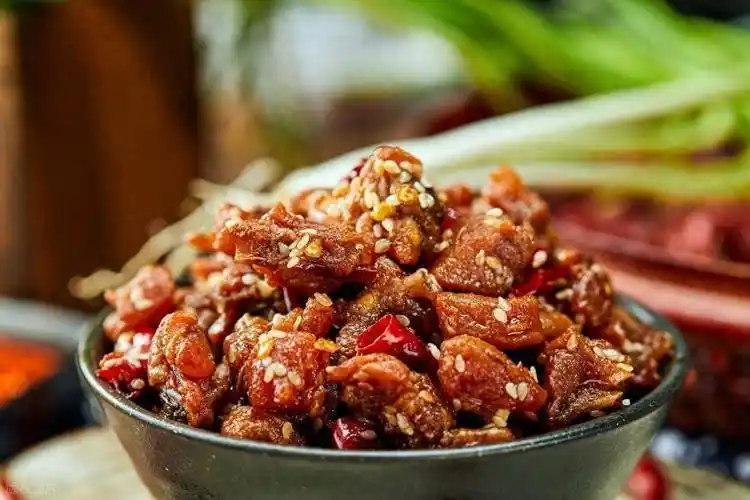
Introduction: The Chinese Dish That Shocks Almost Every Foreigner
Imagine walking through a busy night market in China.
The air is filled with the smell of chili oil, grilled meat, and aromatic spices.
Then you notice something unexpected.
People are sitting around tables, laughing with friends, drinking beer, and carefully nibbling on what appear to be animal heads.
Not fish heads.
Not chicken heads.
Rabbit heads.
For many foreign visitors, this is their first encounter with one of the most famous street foods in southwestern China:
Sichuan Rabbit Heads.
The reaction is usually immediate.
Some people are fascinated.
Some are horrified.
Others simply stare in disbelief.
Yet in the city of:
Chengdu
rabbit heads are not considered strange at all.
In fact, they are one of the region’s most beloved snacks.
So why do people eat them?
And what makes millions of Chinese food lovers crave something that many foreigners find shocking?
The answer reveals much more than a single dish.
It tells a story about history, culture, economics, and the very different ways people around the world think about food.
First Things First: Why Rabbit?
To many Western readers, rabbits are often viewed as pets.
This shapes how people react.
In China, however, rabbits have long been an agricultural animal.
Much like:
- Chickens
- Ducks
- Pigs
they have traditionally been raised as a source of food.
In fact, China is one of the world’s largest producers and consumers of rabbit meat.
For generations, eating rabbit has been completely normal.
Why Sichuan Became China’s Rabbit Capital
The popularity of rabbit meat is especially strong in:
Sichuan
Several factors contributed.
Geography
The region’s agricultural environment supports rabbit farming.
Culinary Tradition
Sichuan cuisine excels at transforming simple ingredients into flavorful dishes.
Local Taste Preferences
People in Sichuan traditionally enjoy foods that are:
- Spicy
- Aromatic
- Richly seasoned
Rabbit meat fits perfectly into this culinary culture.
The Unexpected Rise of Rabbit Heads
Interestingly, rabbit heads were not always considered a delicacy.
Historically, they were often viewed as leftovers.
When rabbits were processed, most attention went to the meat.
The heads attracted less interest.
Eventually, creative cooks found ways to transform these overlooked parts into something delicious.
What began as a practical solution eventually became a regional specialty.
The City That Made Rabbit Heads Famous
No city is more closely associated with rabbit heads than Chengdu.
Today, countless restaurants and street vendors sell them.
For locals, eating rabbit heads is as ordinary as eating chicken wings in America or fish and chips in Britain.
Many residents grow up enjoying them from childhood.
What Does a Rabbit Head Actually Taste Like?
This is the question most foreigners ask.
The answer surprises many people.
Rabbit heads are not eaten because of large amounts of meat.
Instead, people enjoy them for:
- Texture
- Flavor
- The eating experience
The meat is tender and delicate.
Many compare it to a combination of:
- Chicken
- Dark poultry meat
But the real attraction comes from the rich seasonings used during preparation.
The Art of Eating a Rabbit Head
Eating rabbit heads requires skill.
Locals often approach the task with remarkable precision.
They carefully extract small pieces of meat from different areas.
This includes:
- Cheeks
- Jaw muscles
- Other tender sections
To outsiders, the process may seem complicated.
To experienced diners, it is part of the fun.
Why Sichuan Rabbit Heads Are So Spicy
As with many Sichuan dishes, rabbit heads are often coated in:
- Chili oil
- Sichuan peppercorn
- Garlic
- Aromatic spices
The result is intensely flavorful.
The famous:
Mala (麻辣)
combination of heat and numbing sensation transforms the dish into something uniquely Sichuan.
For many locals, the seasoning is just as important as the rabbit itself.
A Perfect Drinking Snack
Rabbit heads are commonly enjoyed in social settings.
Friends gather together and order:
- Beer
- Tea
- Shared dishes
Rabbit heads often appear as part of a relaxed evening meal.
Because they require time and attention to eat, they naturally encourage conversation.
In this sense, the dish is about more than food.
It is about social connection.
Why Foreigners Find It Shocking
The strong reactions usually stem from cultural differences.
In many Western countries, consumers are accustomed to processed meat.
Food often arrives looking nothing like the animal it came from.
Rabbit heads create the opposite experience.
The origin of the food is immediately obvious.
For some people, this feels uncomfortable.
For others, it feels more honest.
The Nose-to-Tail Philosophy
Rabbit heads reflect an important idea found in many traditional food cultures.
The philosophy is simple:
If an animal is raised for food, as much of it as possible should be used.
Historically, wasting edible parts was considered irresponsible.
This approach can be found worldwide.
Examples include:
- Pig’s feet in Europe
- Fish heads in Japan
- Organ meats in Latin America
Rabbit heads belong to the same tradition.
Not as Strange as It Seems
Many foods considered normal in one culture seem unusual elsewhere.
Consider:
- Escargot in France
- Haggis in Scotland
- Century eggs in China
- Blue cheese in Europe
Food preferences are deeply cultural.
What appears bizarre to one person may be a beloved comfort food to another.
Rabbit heads are a perfect example.
The Economics Behind the Dish
Part of the popularity of rabbit heads comes from affordability.
Historically, they offered an inexpensive source of protein and flavor.
Creative cooks developed recipes that elevated a low-value ingredient into something desirable.
This transformation reflects a common pattern in culinary history.
Many famous dishes originated as humble foods before becoming cultural icons.
Chengdu’s Night Markets
Visitors hoping to try rabbit heads often encounter them in Chengdu’s famous food districts.
The atmosphere is lively.
Vendors display trays of richly seasoned rabbit heads alongside other local specialties.
For adventurous travelers, it becomes an unforgettable experience.
The Dish That Became an Internet Sensation
In the age of social media, rabbit heads have become famous far beyond China.
Videos frequently attract millions of views.
People watch reactions from:
- Tourists
- Food bloggers
- Travel influencers
The combination of shock and curiosity makes rabbit heads highly shareable content.
Why Food Historians Love This Story
Rabbit heads illustrate how food evolves.
What began as a practical solution eventually became:
- A regional specialty
- A cultural symbol
- A tourist attraction
The dish demonstrates how communities transform necessity into tradition.
More Than Just a Strange Food
Reducing rabbit heads to a curiosity misses the larger story.
They represent:
- Resourcefulness
- Culinary creativity
- Local identity
- Shared experiences
For many people in Sichuan, rabbit heads are associated with family gatherings, friendships, and memories.
The cultural significance extends far beyond the plate.
Should Foreign Visitors Try Them?
That depends on personal comfort levels.
Some travelers love the experience.
Others prefer to admire from a distance.
Neither reaction is wrong.
The important thing is understanding the cultural context.
Rabbit heads are not eaten to shock people.
They are eaten because generations of locals genuinely enjoy them.
Conclusion: A Dish That Challenges Assumptions
Rabbit heads may be one of China’s most surprising foods, but they also reveal something important about travel.
The world becomes more interesting when we encounter traditions different from our own.
What initially seems strange often carries a rich history and cultural logic.
In Sichuan, rabbit heads are not a novelty.
They are a beloved local specialty.
And while not every visitor will become a fan, almost everyone who encounters them walks away with a story.
In a world where many foods are becoming increasingly similar, Sichuan’s rabbit heads remain wonderfully, unapologetically unique.
And perhaps that is exactly why people never forget them.