
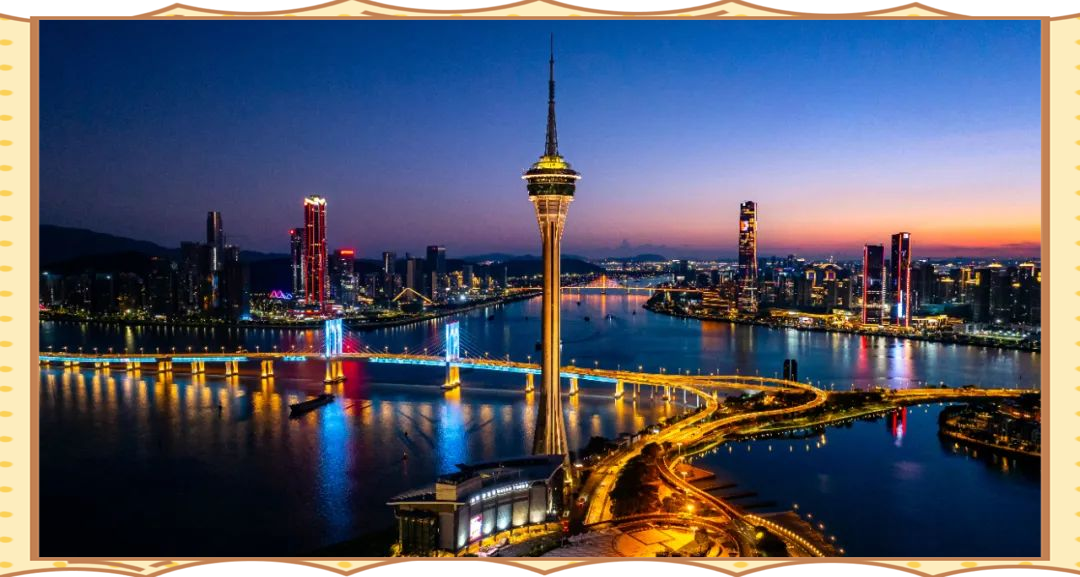
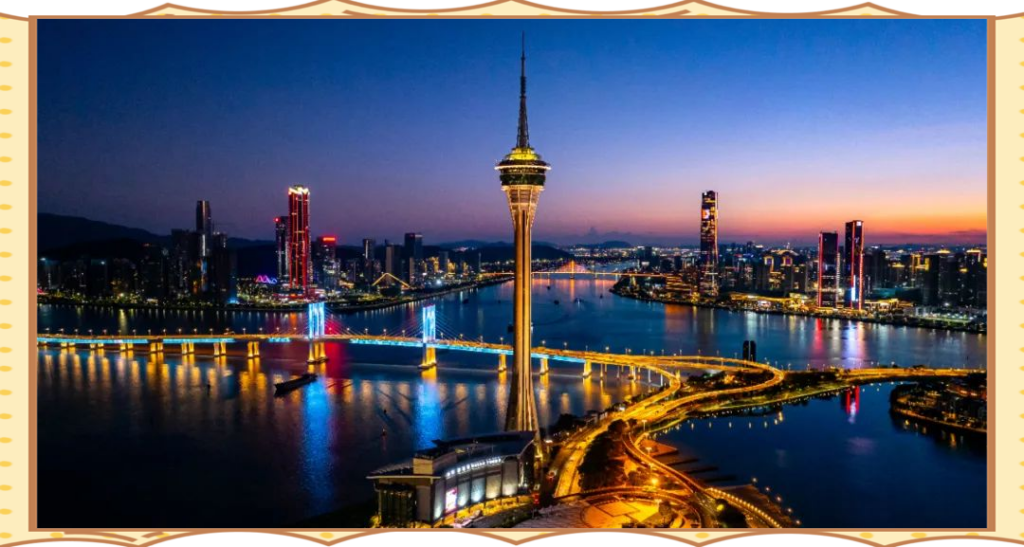
When people think of gambling destinations, Las Vegas is usually the first city that comes to mind. But in Asia, one city has earned the nickname “Las Vegas of Asia”—Macau.
Located on China’s southern coast, just across the Pearl River Delta from Hong Kong, Macau attracts tens of millions of visitors every year. While its glamorous casinos and luxury resorts are famous worldwide, the city’s story goes far beyond gambling. Macau is also a fascinating blend of Chinese traditions, Portuguese heritage, world-class cuisine, and UNESCO-listed historic streets.
So why is Macau known as the Las Vegas of Asia? Here’s everything you need to know.
The Only Place in China Where Casino Gambling Is Legal
One of the biggest reasons behind Macau’s fame is that it is the only place in China where casino gambling is legal.
After Macau returned from Portuguese administration to China in 1999, it became a Special Administrative Region (SAR) under the “One Country, Two Systems” framework. This allows Macau to maintain its own legal and economic systems, including legalized casino gaming.
Visitors from mainland China, Hong Kong, Taiwan, and around the world travel to Macau specifically to enjoy casino entertainment that isn’t available elsewhere in China.
Macau’s Casino Industry Is Massive
Although Macau covers just over 33 square kilometers (13 square miles), it is home to some of the world’s largest and most luxurious casinos.
Many internationally recognized casino brands operate here, including:
- The Venetian Macao
- Wynn Palace
- MGM Cotai
- Galaxy Macau
- City of Dreams
- Studio City
These integrated resorts are much more than casinos. Inside you’ll find luxury hotels, shopping malls, Michelin-starred restaurants, theaters, indoor canals with gondolas, family attractions, spas, and convention centers.
Even visitors who never place a single bet often spend an entire day exploring these spectacular resorts.
Bigger Than Las Vegas in Gambling Revenue
Many people are surprised to learn that Macau has generated more gambling revenue than the Las Vegas Strip for many years.
Thanks largely to visitors from mainland China and other parts of Asia, Macau became the world’s largest casino market in the mid-2000s. Although tourism fluctuated during the COVID-19 pandemic, Macau remains one of the world’s most important gaming destinations.
Today, the local government is also encouraging the development of entertainment, concerts, conventions, sports events, and family tourism to diversify its economy beyond gambling.
A Fascinating Blend of East and West
Unlike Las Vegas, Macau has more than 400 years of multicultural history.
Portugal established a settlement in Macau during the 16th century, making it one of the earliest European trading ports in East Asia. This long history left a lasting influence on the city’s architecture, food, language, and culture.
Walking through Macau’s Historic Centre, visitors will discover:
- Portuguese-style churches
- Colorful colonial buildings
- Chinese temples
- European squares
- Narrow cobblestone streets
- Traditional Chinese neighborhoods
This unique combination earned the Historic Centre of Macau a place on the UNESCO World Heritage List.
Macau Is More Than Just Casinos
Many first-time visitors expect Macau to be entirely about gambling, but they’re often surprised by how much else there is to see.
Some of the city’s most popular attractions include:
Ruins of St. Paul’s
Perhaps Macau’s most iconic landmark, the impressive stone façade is all that remains of a 17th-century Catholic church. It has become the symbol of the city.
Senado Square
This beautiful public square features Portuguese-style wave-pattern mosaics, colorful colonial buildings, cafés, and shops. It’s one of the best places to experience Macau’s European atmosphere.
A-Ma Temple
Built centuries before the arrival of the Portuguese, A-Ma Temple is dedicated to the sea goddess Mazu. Many historians believe the name “Macau” originated from this temple.
Taipa Village
Away from the glittering casino resorts, Taipa Village offers charming streets, local restaurants, dessert shops, and beautifully preserved Portuguese architecture.
Macau Is a Food Lover’s Paradise
Another reason many travelers visit Macau is its incredible food.
Macanese cuisine is considered one of the world’s oldest fusion cuisines, combining Chinese cooking with Portuguese, African, Indian, and Southeast Asian influences.
Don’t miss these local specialties:
- Portuguese egg tarts
- Pork chop buns
- African chicken
- Minchi
- Portuguese seafood rice
- Almond cookies
- Serradura (Portuguese sawdust pudding)
Many visitors even plan weekend trips just to explore Macau’s food scene.
Do You Have to Gamble to Enjoy Macau?
Absolutely not.
In fact, many tourists never gamble at all.
Instead, they visit Macau for:
- Luxury hotels
- Live performances
- Shopping
- Fine dining
- Historical landmarks
- UNESCO heritage sites
- Photography
- Family-friendly attractions
Macau is compact and easy to explore, making it an excellent destination for a one- or two-day trip from Hong Kong or southern China.
When Is the Best Time to Visit?
The best seasons are October to December and March to April, when temperatures are pleasant and humidity is lower.
Public holidays, especially Chinese New Year and Golden Week, can be extremely crowded, so booking accommodation well in advance is recommended.
Final Thoughts
Macau may be famous as the “Las Vegas of Asia,” but that nickname tells only part of the story.
Yes, its casinos are among the largest and most luxurious in the world. But beyond the gaming floors lies a city with centuries of history, a remarkable blend of Chinese and Portuguese cultures, world-class food, and some of Asia’s most beautiful historic streets.
Whether you’re interested in architecture, cuisine, history, luxury resorts, or simply experiencing one of the world’s most unique cities, Macau offers much more than a casino vacation.
If you’re planning a trip to southern China, Macau deserves a place on your itinerary—even if you never step inside a casino.