


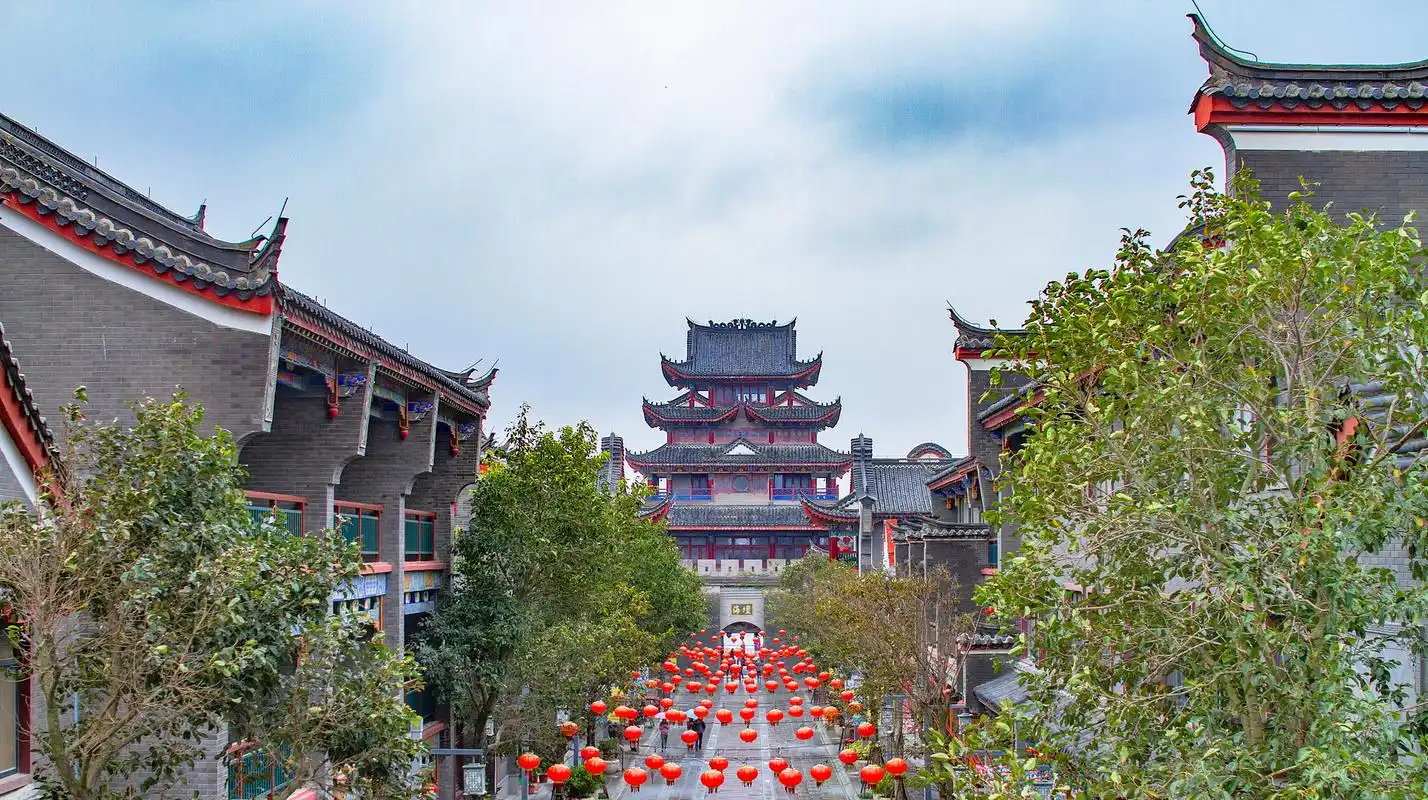
Yongzhou, a city located in the southern part of Hunan Province, is like a bright pearl inlaid on the Xiaoxiang land. It carries a long history and rich cultural heritage, and its natural scenery is as picturesque as a poem. Here are the must – visit tourist attractions in Yongzhou carefully recommended for you.
Lingling Ancient City
Lingling Ancient City, a cultural city with a history of more than two thousand years, is the core area of Yongzhou’s history and culture. It is one of the birthplaces of Xiaoxiang culture and has been a gathering place for literati since ancient times. Stepping into the ancient city, you seem to travel back in time to the bustling market in ancient times.
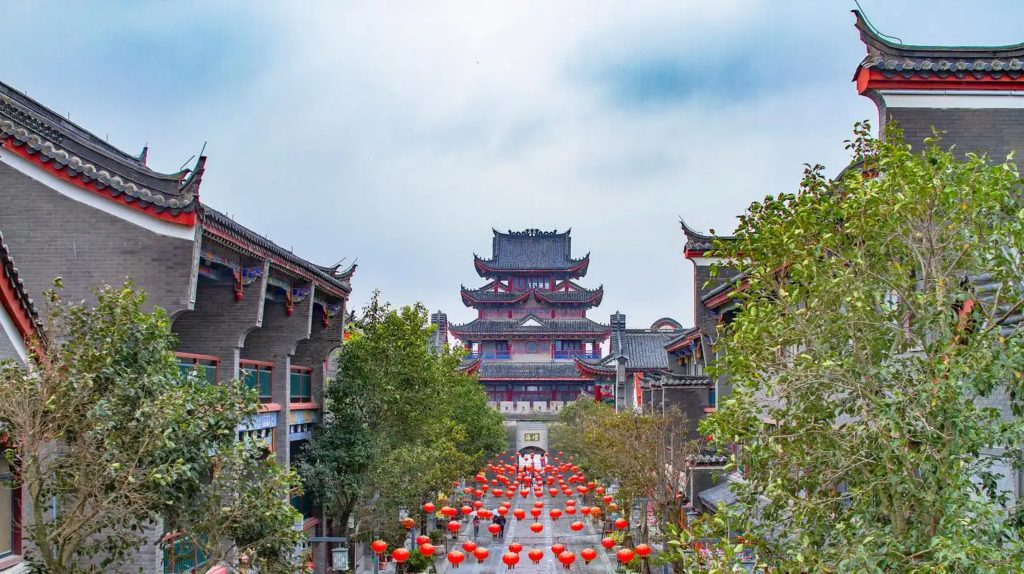
In the ancient city, the buildings in the Ming and Qing styles are scattered in an orderly manner, and the bluestone roads wind around. Liuzi Street is the core street of the ancient city, named in memory of Liu Zongyuan, a litterateur of the Tang Dynasty. The shops on both sides of the street are antique, selling various traditional handicrafts and special snacks. Walking along Liuzi Street, you can reach Liuzi Temple. Liuzi Temple was built to commemorate Liu Zongyuan. Inside the temple, there are many cultural relics and poetry inscriptions related to Liu Zongyuan, showing Liu Zongyuan’s life stories and literary achievements in Yongzhou. Here, you can deeply feel the emotions and thoughts contained in the literary works created by Liu Zongyuan during his exile in Yongzhou.
Yangming Mountain
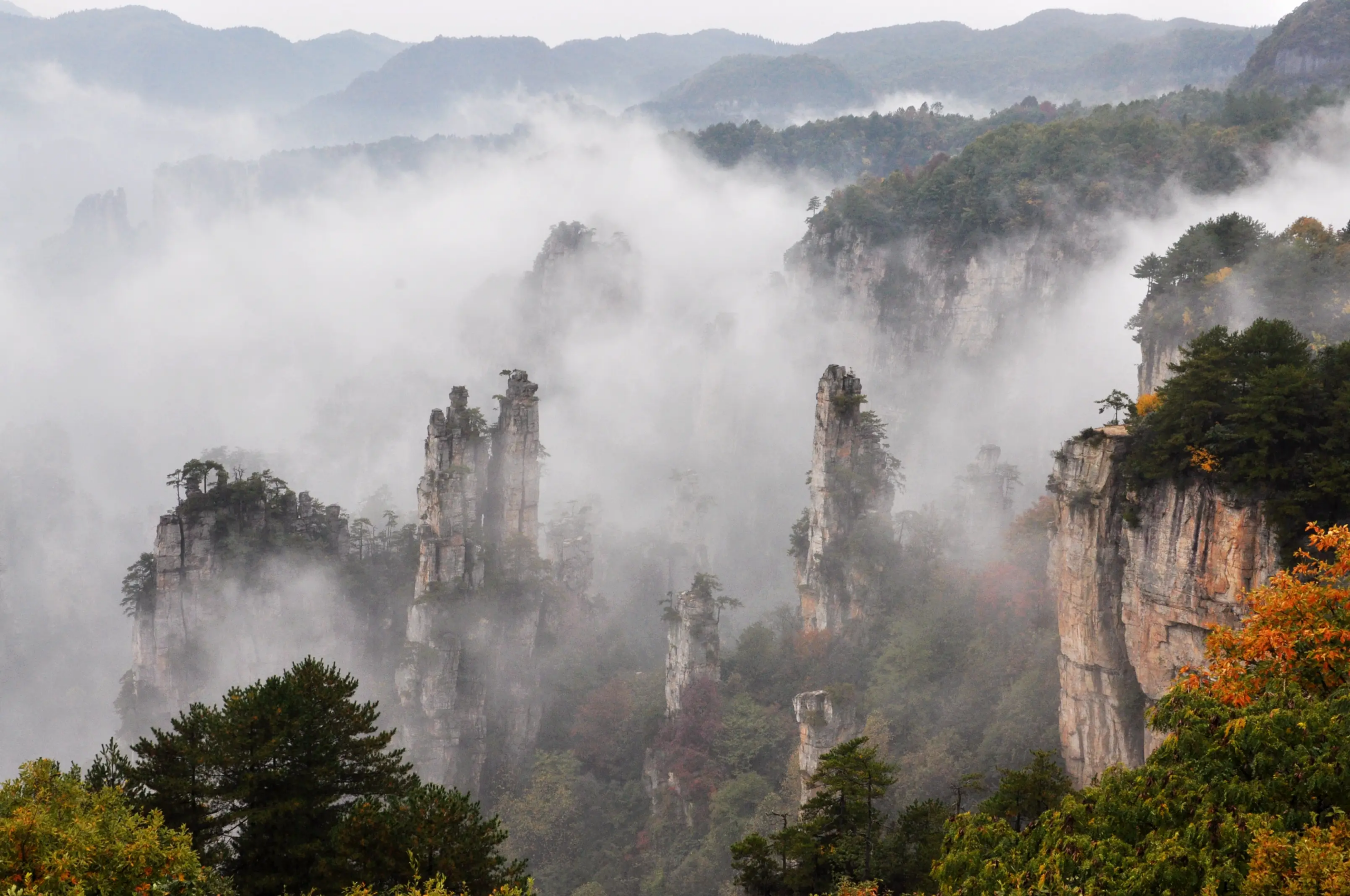
Yangming Mountain, a national 4A – level scenic area, enjoys the reputation of “Spiritual Mountain and Blessed Land”. It attracts many tourists with its beautiful natural scenery and rich cultural connotations. Yangming Mountain is 1,625 meters above sea level. The peaks are continuous, and the clouds and mist curl around, just like a fairyland.

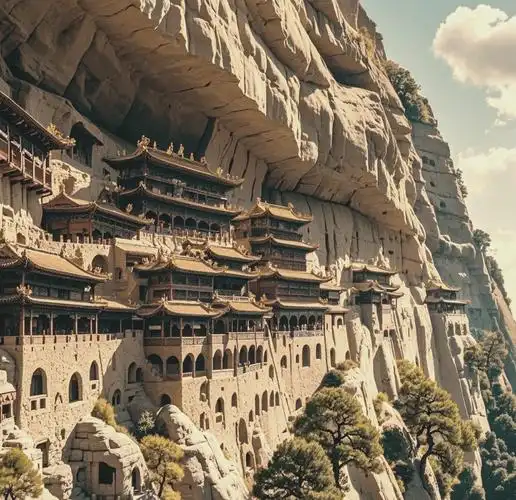
The natural scenery on the mountain is breathtaking. Wanshou Temple is one of the important scenic spots on Yangming Mountain. This ancient temple has a long history, and its architectural style is simple and elegant. The incense in the temple curls up, and the bells are melodious, giving people a sense of tranquility and peace. The Rhododendron Sea is also a major feature of Yangming Mountain. From April to May every year, the rhododendrons all over the mountains bloom in full bloom. The red, pink, and white flowers are intertwined, forming a sea of flowers, which is extremely spectacular. In addition, there are many waterfalls on Yangming Mountain, such as the Xiaohuangjiangyuan Waterfall. The water flows down from a high place, splashing water, with great momentum, adding a dynamic beauty to the mountain forest.
Jiuyi Mountain
Jiuyi Mountain, also known as Cangwu Mountain, is one of the birthplaces of Chinese moral culture. It is famous for its unique natural scenery and profound historical culture. The peaks of Jiuyi Mountain rise from the ground, with overlapping mountains and clouds and mist surrounding them, just like an ink – wash painting.

The Mausoleum of Emperor Shun is the most important scenic spot of Jiuyi Mountain. It is the mausoleum of Emperor Shun, the ancestor of the Chinese nation. It is solemn and magnificent. The architectural style of the mausoleum temple is unique, integrating ancient royal architecture and local characteristics. The sacrificial square in front of the mausoleum is wide and flat. During major festivals, grand sacrificial activities will be held here, attracting many tourists and local people to come and pay their respects to Emperor Shun. In addition to the Mausoleum of Emperor Shun, there is also Zixia Rock in Jiuyi Mountain. Zixia Rock is a large limestone cave. Inside the cave, there are a wide variety of stalactites in different shapes. Under the illumination of the lights, it is like a dreamy world.
Wuxi Stele Forest
Wuxi Stele Forest is located in Qiyang City, Yongzhou. It is the largest open – air stele forest in southern China. Here, a large number of poetry steles of literati from past dynasties are preserved, which have extremely high historical and cultural value.

Wuxi Stele Forest is famous for its unique stone – carving art. Wuxi is a tributary of the Xiangjiang River. The stream is clear, and there are strange rocks on both banks. On these stones, there are various calligraphy works since the Tang Dynasty, including seal script, official script, regular script, running script, and cursive script. Among them, “Eulogy of the Great Tang’s Revival” written by Yuan Jie and inscribed by Yan Zhenqing is the most famous. Its font is vigorous and grand, with powerful strokes, and it is a classic work in the history of calligraphy. Walking in the stele forest, it is as if you are having a dialogue with history, feeling the talent and wisdom of ancient literati.
Yongzhou, this charming city, each scenic spot is like a bright pearl, shining with a unique light. Whether it is the exploration of historical culture or the appreciation of natural scenery, Yongzhou can bring you an unforgettable travel experience.