


Located in the northwest of Hunan Province, Zhangjiajie is one of the most stunning and internationally renowned natural scenic destinations in China. Celebrated for its spectacular landscape of thousands of towering sandstone peaks and winding mountain streams, it has long been praised as a “miniature fairyland on earth and an enlarged natural bonsai”. Featuring unique landforms, primitive ecological scenery, profound geological heritage and rich ethnic customs, Zhangjiajie attracts millions of tourists from all over the world every year and has become a symbolic calling card of China’s natural landscape tourism.
1. Unique Geological and Peak Forest Landscape Resources
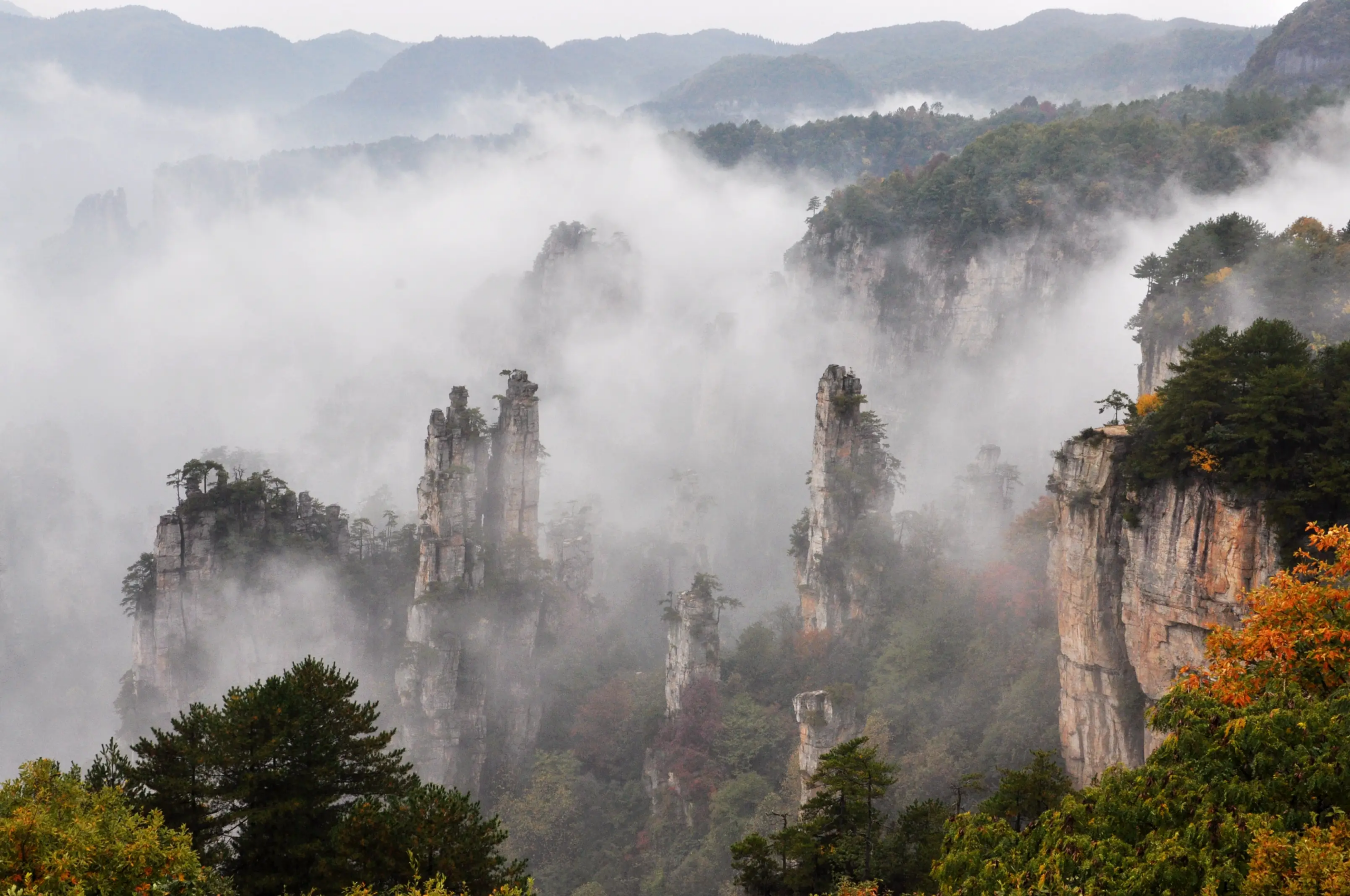
The greatest charm of Zhangjiajie lies in its rare quartz sandstone peak forest landform, which has been gradually shaped by 380 million years of complex geological movements, crustal uplift, water erosion and weathering. In 2010, this peculiar landform was officially named “Zhangjiajie Landform” by the geological community, making it the only landform in the world named after a city. It is also a core part of China’s world natural heritage and world geopark resources, with extremely high scientific research value and ornamental value.
Wulingyuan Scenic Area, also known as Zhangjiajie National Forest Park, is the core scenic area of Zhangjiajie. Covering an area of 264 square kilometers, it is densely covered with more than 3,000 towering stone peaks of different shapes. These straight and steep peaks stand abruptly from the valley floor, creating a magnificent and shocking three-dimensional mountain landscape that is rare in the world.
Yuanjiajie Scenic Area is the most representative attraction in Wulingyuan. It is famous as the real shooting prototype of the floating mountain in the Hollywood blockbuster Avatar. The iconic Qiankun Pillar, also known as Hallelujah Mountain, stands towering among the mountains. The winding cliff plank roads run through the peaks and valleys. Walking in the scenic area, tourists can enjoy the overlapping peaks, deep valleys and floating clouds, feeling the grand and ethereal charm of nature.
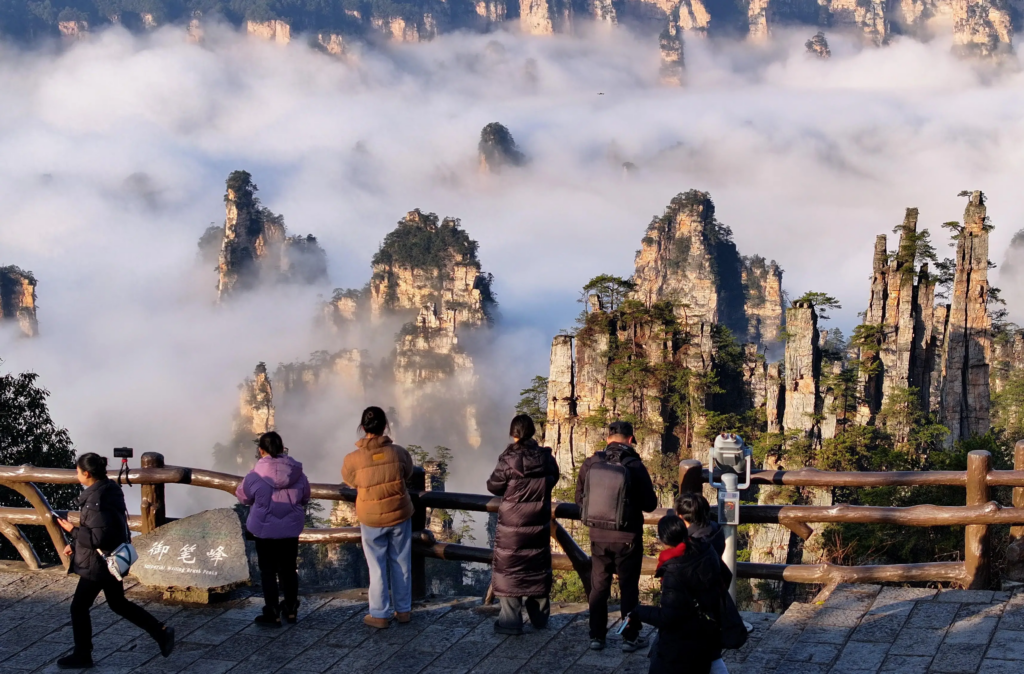
Known as the “King of Peak Forests”, Tianzi Mountain boasts open viewing vision and layered peak groups. The classic landscapes such as Imperial Brush Peak and Fairy Presenting Flowers have vivid shapes and ingenious natural forms. Standing on the observation platform, visitors can overlook the vast sea of peaks. When the clouds and mists surge, the peaks are looming, just like a fairyland in classical paintings.
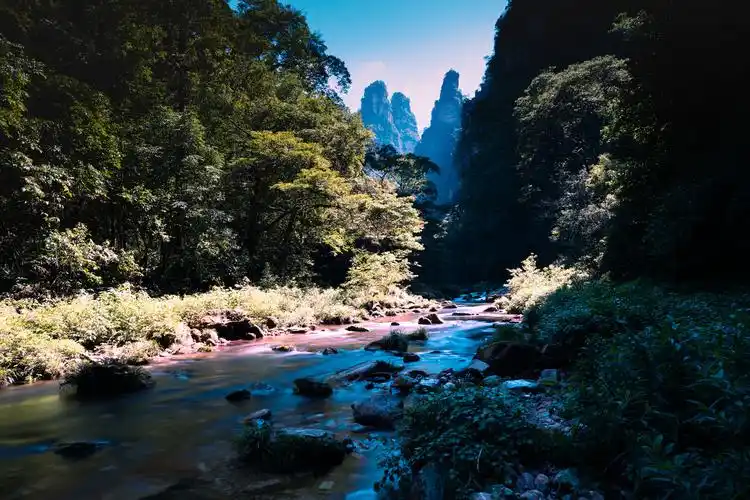
Golden Whip Stream is known as the “most beautiful canyon stream in China”. The 7.5-kilometer-long stream is surrounded by dense primitive forests. The water is clear and transparent, and the air is fresh and moist. Wild macaques often play along the stream, bringing a lively natural atmosphere. It is an excellent scenic spot for hiking, leisure and enjoying original ecological scenery.
Tianmen Mountain, the urban landmark of Zhangjiajie, is honored as “Cloud Fairyland”. The scenic area is equipped with the world’s longest alpine passenger cable car, a winding mountain road with 99 sharp curves, and the world-famous natural penetrating cave—Tianmen Cave. The cliff glass plank road built on the steep cliff brings a thrilling travel experience. All year round, Tianmen Mountain is surrounded by clouds and mists. The changing meteorological landscapes make the mountain mysterious and elegant.
Zhangjiajie Grand Canyon Glass Bridge is a world-famous landmark project. It holds the records of the world’s highest and longest all-glass pedestrian bridge. Spanning the deep canyon, the transparent bridge allows tourists to overlook the cascading mountains, steep cliffs and green vegetation of the entire canyon, bringing a unique and shocking sightseeing experience.
2. Superior Ecological Environment and Biodiversity
Zhangjiajie retains a well-preserved primitive ecological environment. The forest coverage rate of the scenic area exceeds 70%, and the concentration of negative oxygen ions in the core scenic spots is far higher than that of urban areas, earning it the reputation of a “natural oxygen bar”. It is listed as one of the world’s key biodiversity protection areas, inhabiting a large number of rare wild animals and plants such as Chinese yew, dove tree and giant salamander. The mountains are covered with green vegetation all year round, the streams are clear and flowing, and the ecological cycle is healthy and complete, providing tourists with a pure and comfortable natural tourism environment.
3. Rich Ethnic Customs and Humanistic Culture
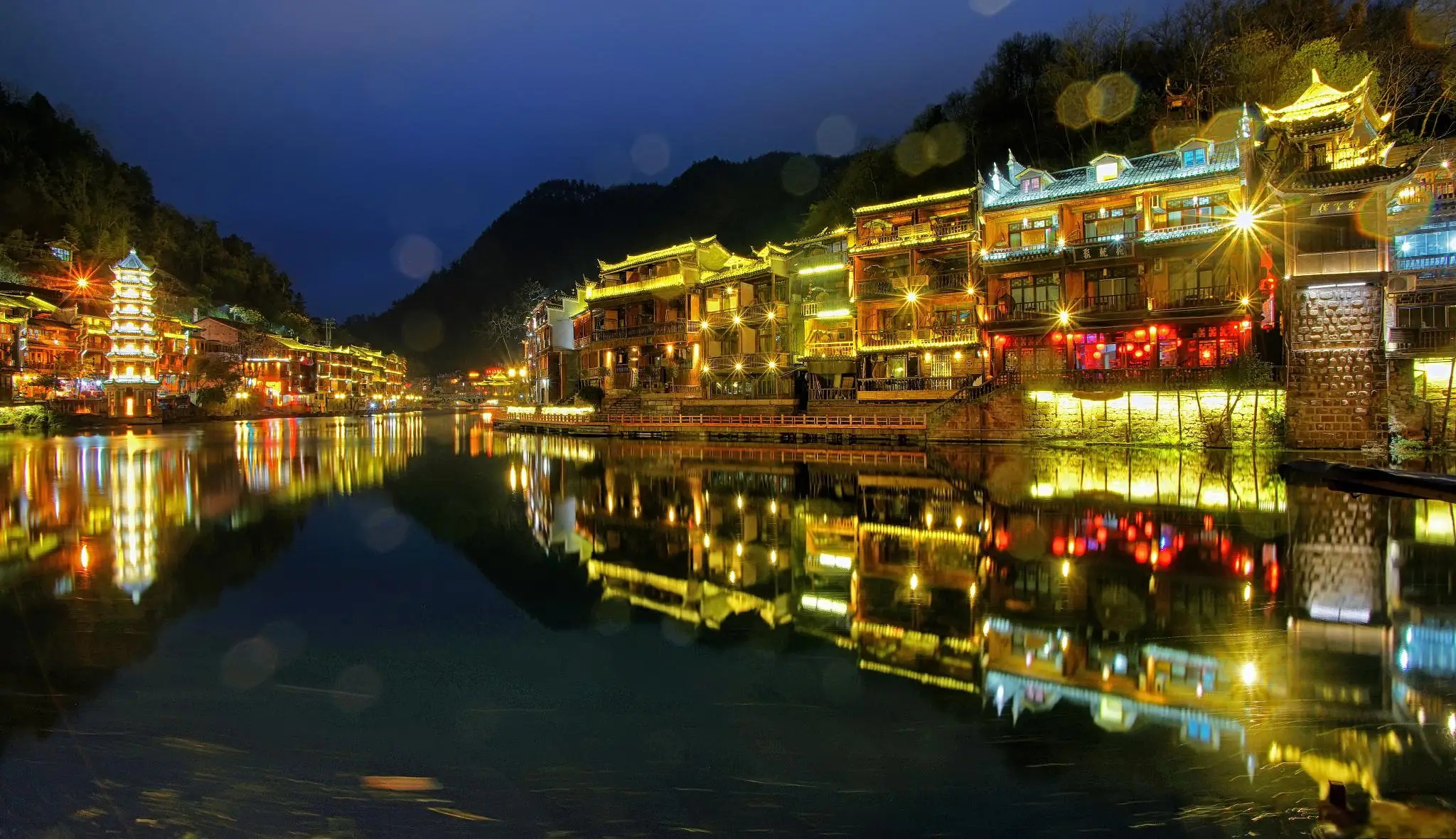
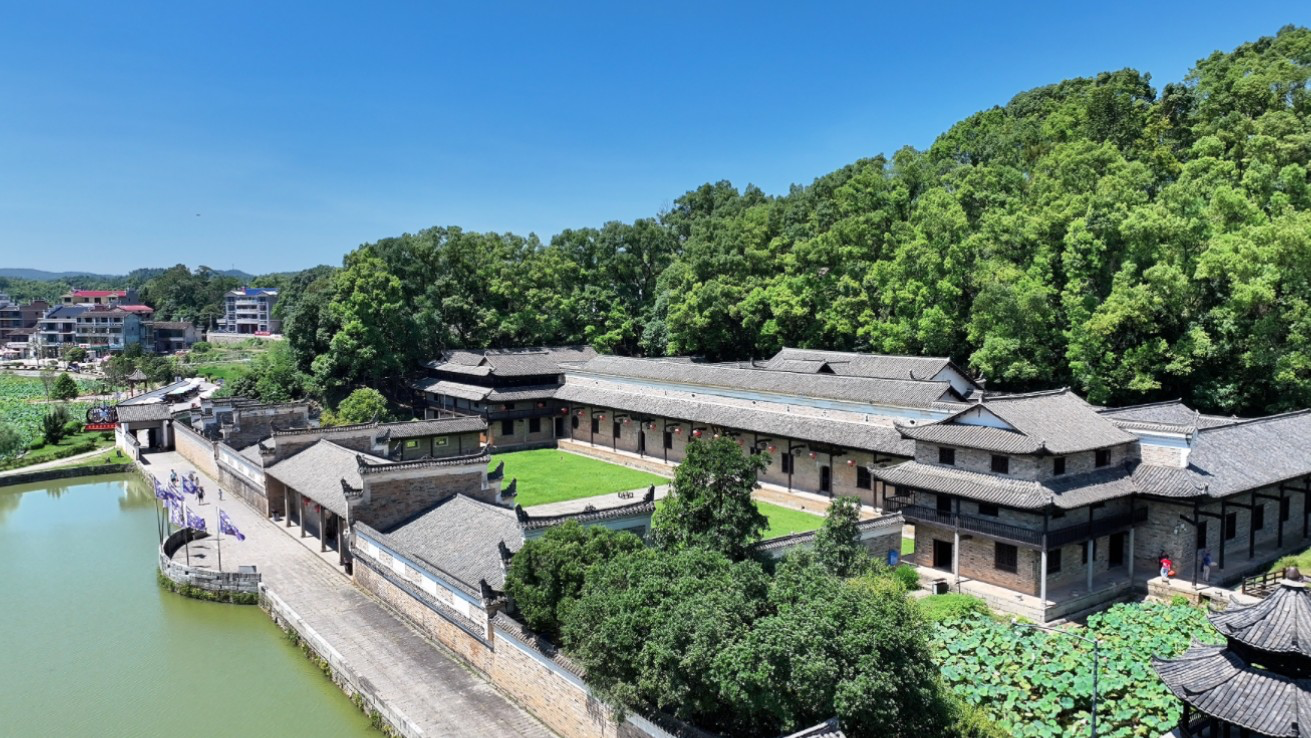
In addition to amazing natural scenery, Zhangjiajie also has rich and distinctive ethnic cultural resources. It is a gathering area for Tujia, Miao and other ethnic minorities. For thousands of years, the local ethnic groups have lived in seclusion in the mountains, forming simple and unique folk customs. The stilted buildings of the Tujia nationality are built along the mountains, with exquisite and unique architectural styles. The traditional Hand-Waving Dance is bold and unrestrained, full of ethnic vitality. The intangible cultural heritage Xilankapu brocade is colorful and finely woven, carrying the wisdom and traditional culture of the Tujia people. The simple ethnic songs and dances, unique folk handicrafts and authentic folk customs together form a rich humanistic landscape, adding profound cultural connotation to Zhangjiajie’s natural scenery.
4. Unique Tourism Value and Global Influence
Zhangjiajie has successfully achieved world-class tourism recognition. It was included in the UNESCO World Natural Heritage List in 1992 and rated as a World Geopark. Thanks to its unparalleled peak forest landscape, it has become an important shooting location for many domestic and foreign films and television works, greatly enhancing its international popularity. Integrating magnificent natural scenery, rare geological wonders, superior ecological environment and rich ethnic customs, Zhangjiajie is suitable for sightseeing, adventure travel, leisure vacation and ecological health preservation. It is not only a treasure of Hunan tourism, but also a classic representative of China’s natural landscape tourism, winning wide praise and love from global tourists.
I. Core Tourism Resource: A World-Class Geological Wonder
The soul of Zhangjiajie is its quartz sandstone peak forest landform. Formed over 380 million years of geological evolution, it is unique in the world. In 2010, it was officially named the “Zhangjiajie Landform”, the only landform in the world named after a city.
Wulingyuan (Zhangjiajie National Forest Park):A UNESCO World Natural Heritage Site and Global Geopark. Covering 264 square kilometers, it features over 3,000 sandstone peaks rising abruptly from the ground.
Yuanjiajie:The prototype of the “Hallelujah Mountain” in the movie Avatar. Cliffside walkways wind through the towering peaks, offering breathtaking views.
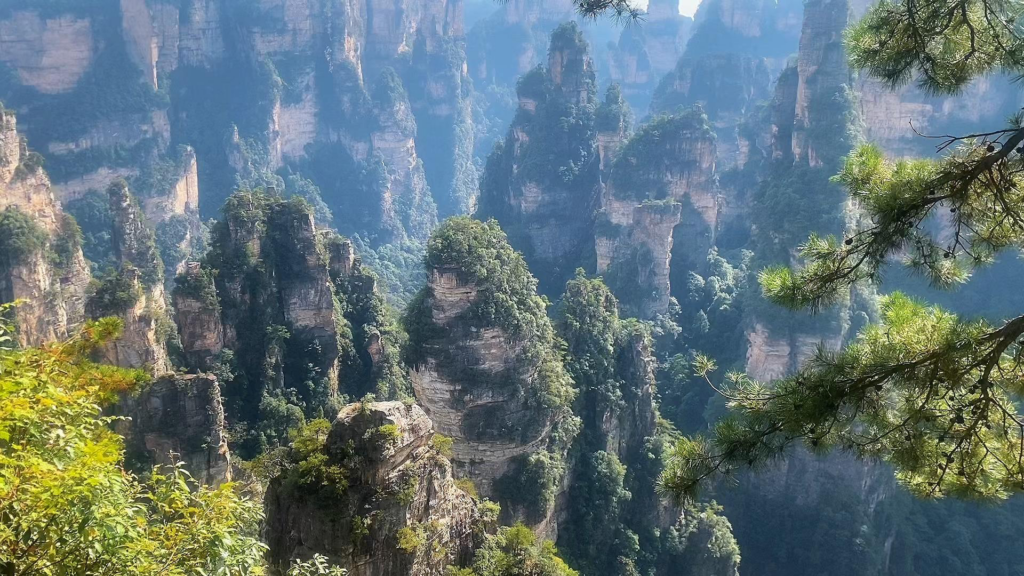
Tianzi Mountain:Known as the “King of Peak Forests”, it boasts iconic rock formations like the “Imperial Brush Peak”。
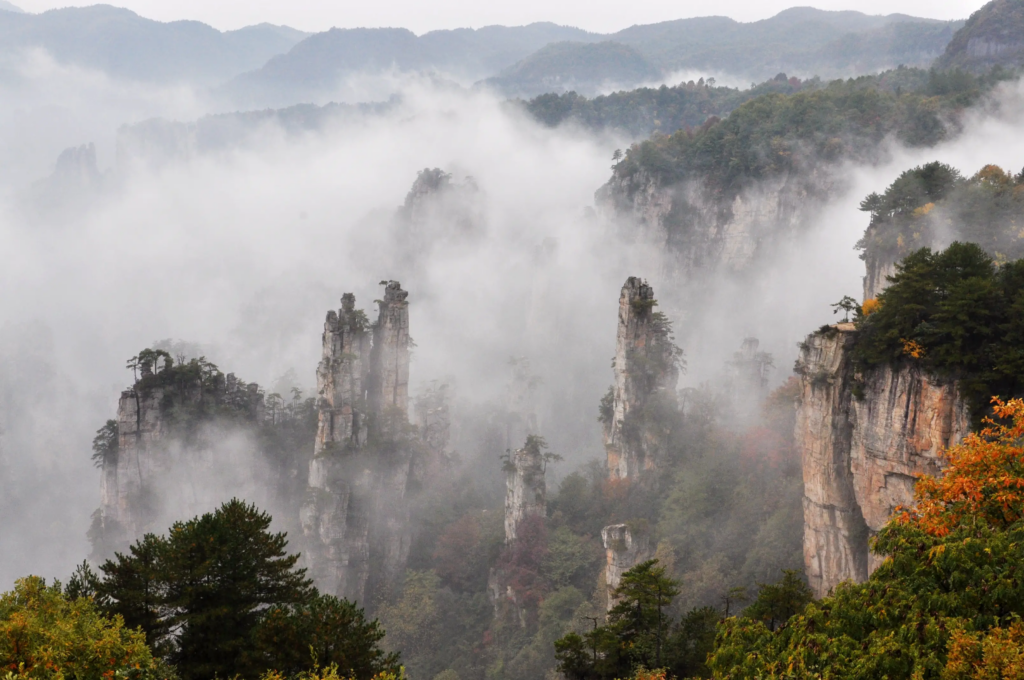
Golden Whip Stream:A 7.5-kilometer-long valley with lush forests and playful macaques, one of China’s most beautiful canyons。
Tianmen Mountain National Forest Park:A landmark in Zhangjiajie city, known as the “Cloud Fairyland”. It features a 99-curve mountain road, the world’s longest alpine cable car, and the natural Tianmen Cave。
Zhangjiajie Grand Canyon Glass Bridge:The world’s highest and longest glass bridge, offering thrilling views of the canyon below。