



Introduction: The Chinese People Who Don’t Look Like Most Chinese
Imagine traveling through western China.
You arrive at a remote mountain town nearly 4,000 meters above sea level.
The landscape resembles Tibet.
The air feels like Central Asia.
Then you notice something unexpected.
Some local residents have:
- Blue eyes
- Green eyes
- Light brown hair
- Sharp facial features
Many foreign visitors immediately ask:
“Are these people really Chinese?”
The answer is yes.
They are Chinese citizens.
But they belong to one of China’s most unique ethnic groups:
The Tajiks.
Living among the towering peaks of the Pamir Mountains, China’s Tajiks have preserved a culture unlike any other in the country.
Their language is different.
Their traditions are different.
Their history stretches deep into the ancient world.
And perhaps most fascinating of all:
Many scholars believe their ancestors are connected to some of the earliest Iranian and Persian peoples of Central Asia.
Their story feels less like modern China and more like a chapter from the Silk Road.
Who Are the Tajiks?
The Tajiks are one of China’s 56 officially recognized ethnic groups.
Most Chinese Tajiks live in a remote region of western Xinjiang.
Although their population is relatively small, they possess one of the richest cultural histories in Asia.
Globally, Tajik peoples are primarily associated with:
- Tajikistan
- Afghanistan
- Uzbekistan
- China
However, China’s Tajiks developed a distinct identity after centuries of life in the high mountains.
Where Do China’s Tajiks Live?
Nearly all Chinese Tajiks live in:
Tashkurgan Tajik Autonomous County
This remarkable region sits near the borders of:
- Pakistan
- Afghanistan
- Tajikistan
It is one of the most remote places in China.
The area lies within the famous:
Pamir Mountains
Often called:
“The Roof of the World.”
The Pamirs: One of the Most Beautiful Places on Earth
Many travelers consider the Pamirs among the world’s greatest mountain landscapes.
Massive peaks rise above:
- High-altitude grasslands
- Glacial rivers
- Deep valleys
- Ancient caravan routes
The scenery looks almost unreal.
For centuries, these mountains protected local communities from outside influence.
That isolation helped preserve unique traditions.
Are China’s Tajiks Actually Related to Ancient Persians?
This is the question that fascinates historians.
The short answer:
Partly, yes.
Chinese Tajiks belong to the broader Iranian cultural family.
Their ancestors are believed to be related to ancient Eastern Iranian peoples who inhabited Central Asia thousands of years ago.
Long before:
- China
- Russia
- Afghanistan
- Tajikistan
existed as modern states, Iranian-speaking peoples lived throughout the region.
These ancient populations played important roles along the Silk Road.
The Forgotten Iranian World
Today, when people hear “Iranian,” they usually think of modern Iran.
Historically, however, Iranian-speaking peoples occupied a much larger area.
Ancient Iranian cultures once stretched across:
- Central Asia
- Afghanistan
- Western China
- Parts of Pakistan
The ancestors of the Chinese Tajiks emerged from this wider Iranian world.
Their history predates many modern nations.
Why Do Some Tajiks Have Blue Eyes?
One of the most common questions concerns appearance.
Some Tajiks possess:
- Light eyes
- Fair skin
- Brown or reddish hair
Others look more similar to neighboring Central Asian populations.
The diversity reflects thousands of years of migration and interaction.
The Silk Road connected Europe, Central Asia, South Asia, and East Asia.
People moved constantly.
As a result, genetic diversity became common throughout the region.
Contrary to popular myths, blue eyes alone do not prove direct descent from Europeans.
They simply reflect the complex population history of Central Asia.
The Alexander the Great Legend
Almost every traveler hears the story.
According to local legend, some Tajiks descend from soldiers of:
Alexander the Great
After his campaigns in Central Asia, the story claims, some soldiers remained and mixed with local populations.
It is a fascinating tale.
However, historians generally view it as folklore rather than proven fact.
The reality is likely far more complex.
The region experienced centuries of migration long before and after Alexander arrived.
A Language Unlike Chinese
One of the strongest clues to Tajik origins is language.
Chinese Tajiks speak languages that belong to the Iranian language family.
These languages are more closely related to:
- Persian
- Dari
- Pashto
than they are to Chinese.
This linguistic connection provides powerful evidence of their ancient roots.
For linguists, Chinese Tajiks represent a living link to the Iranian-speaking world.
The Unique Pamiri Languages
Interestingly, many Chinese Tajiks do not speak standard Tajik as used in Tajikistan.
Instead, they speak Pamiri languages such as:
- Sarikoli
- Wakhi
These ancient languages preserve features that disappeared elsewhere centuries ago.
Some scholars consider them linguistic treasures.
The Silk Road Connection
The Tajiks were perfectly positioned to benefit from one of history’s greatest trade networks:
Silk Road
For thousands of years, caravans crossed the Pamirs carrying:
- Silk
- Jade
- Horses
- Spices
- Precious metals
The Tajik homeland became a crossroads of civilizations.
Merchants, pilgrims, soldiers, and explorers all passed through the region.
The Ancient Stone Fortress
One of the region’s most famous landmarks is:
Tashkurgan Stone City
The fortress overlooks the valley from a strategic position.
For centuries it controlled important trade routes.
Today it stands as a reminder of the region’s importance during the Silk Road era.
Visitors often describe it as one of China’s most underrated historical sites.
Life at 4,000 Meters
Living in the Pamirs is not easy.
Residents face:
- Long winters
- Thin air
- Harsh weather
- Geographic isolation
Yet generations of Tajiks adapted successfully.
Their lifestyle traditionally revolved around:
- Sheep
- Yaks
- Goats
- Highland agriculture
Survival required resilience and cooperation.
The Tajik Love for Music
Music occupies a central place in Tajik culture.
Traditional performances often feature:
- Singing
- String instruments
- Folk dances
Songs frequently celebrate:
- Mountains
- Family
- Love
- History
These traditions help preserve cultural memory across generations.
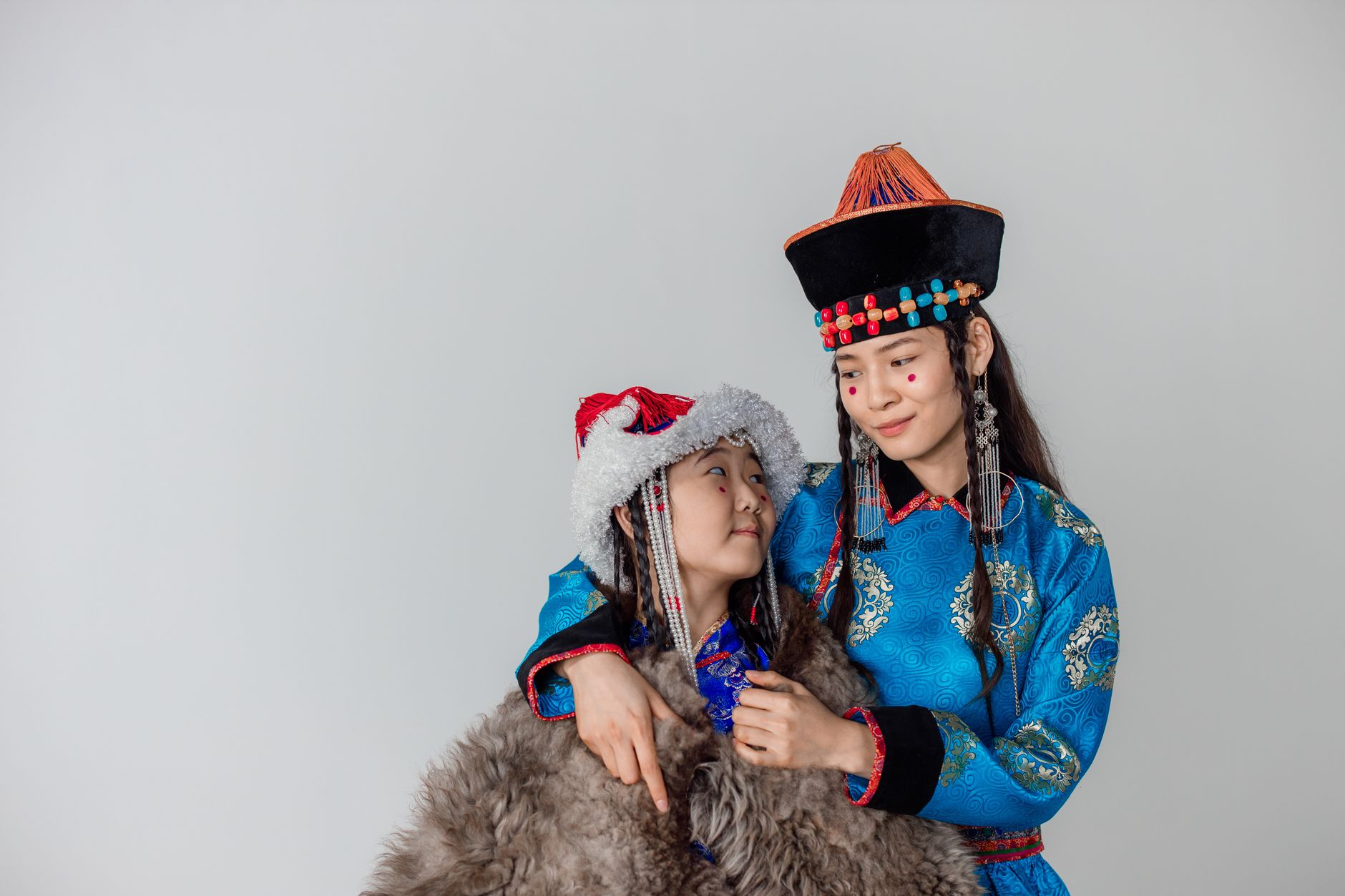
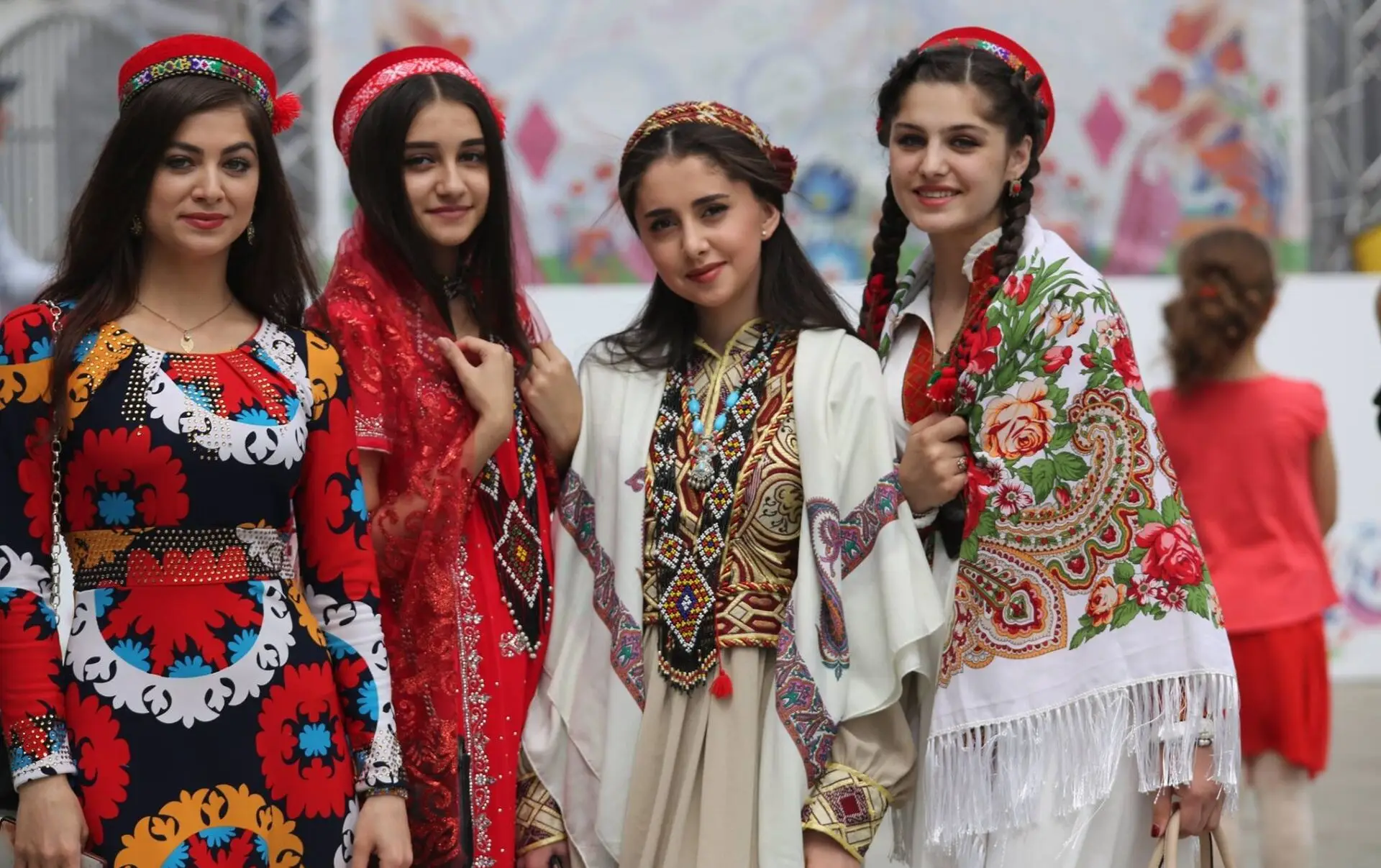
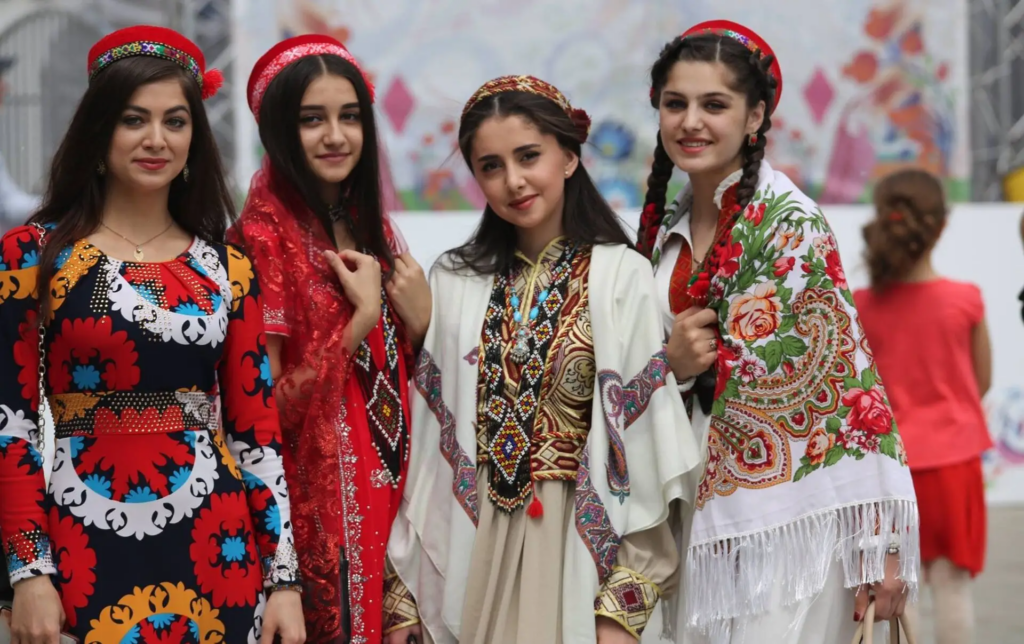
Colorful Traditional Clothing
Tajik clothing is among the most distinctive in China.
Traditional garments often feature:
- Bright embroidery
- Intricate patterns
- Decorative hats
The styles reflect influences from Central Asia, Persia, and local mountain cultures.
Visitors immediately notice how different they appear from typical Chinese clothing.
Hospitality in the High Mountains
Like many mountain societies, Tajik culture places enormous importance on hospitality.
Travelers are often welcomed with:
- Tea
- Bread
- Local foods
Historically, helping travelers was essential.
In such a harsh environment, cooperation could mean survival.
That tradition continues today.
Why Foreign Visitors Are So Surprised
Most travelers arrive in China expecting East Asian cultures.
The Tajiks challenge those expectations.
Their language, appearance, history, and traditions feel connected to another world.
Many visitors describe the experience as discovering a hidden piece of Central Asia inside China.
What China’s Tajiks Reveal About History
The Tajiks remind us that modern borders rarely reflect ancient cultural realities.
Before modern states existed, peoples moved across enormous regions.
The Pamirs connected civilizations rather than separating them.
China’s Tajiks are living evidence of that history.
Are Tajik Traditions Surviving?
Like many traditional cultures, the Tajiks face modern challenges:
- Urbanization
- Migration
- Economic change
- Language preservation
Yet many communities continue to maintain strong cultural identities.
Festivals, music, family traditions, and local languages remain important parts of daily life.
Why This Story Fascinates the World
Few places combine so many compelling themes:
- Ancient Persia
- The Silk Road
- Mountain civilizations
- Cultural survival
- Stunning landscapes
The Tajiks sit at the intersection of all these stories.
For historians, anthropologists, and travelers, they represent one of China’s most fascinating hidden treasures.
Conclusion: The Persian Echoes of the Pamirs
High among the mountains of western China lives a people whose history stretches back to the ancient Iranian world.
The Tajiks are Chinese citizens.
Yet their language, traditions, and ancestry connect them to a much older story that spans Central Asia and the Silk Road.
Their homeland is one of the most remote and beautiful regions on Earth.
Their culture preserves traditions shaped by mountains, caravans, and centuries of exchange between civilizations.
For travelers seeking the unexpected, the Tajiks offer a powerful reminder:
China is far more diverse than most people imagine.
And sometimes, the most surprising stories are found at the very edge of the map.