



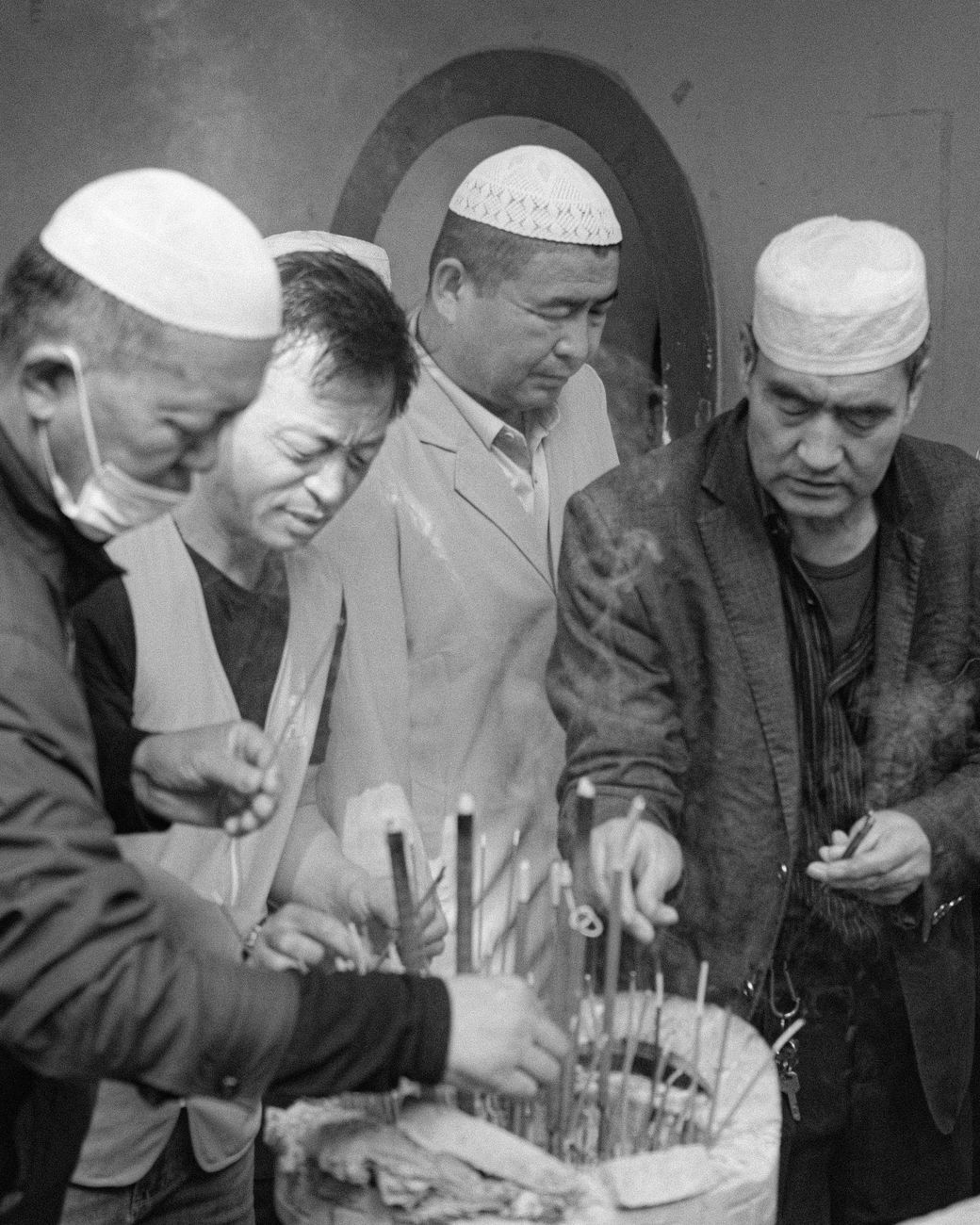

For centuries, the Kaifeng Jews have been one of the world’s most unusual Jewish communities. Living in central China for nearly a thousand years, they preserved parts of their Jewish identity long after most contact with the wider Jewish world had disappeared.
Today, a common question appears online:
Can Kaifeng Jews immigrate to Israel and obtain citizenship under Israel’s Law of Return?
The answer is more complicated than many people expect.
Who Are the Kaifeng Jews?
The Kaifeng Jews are descendants of Jewish merchants who arrived in China during the Song Dynasty, likely through trade routes connecting the Middle East, Central Asia, and China.
They settled in Kaifeng, a historic city in Henan Province, and gradually became integrated into Chinese society.
Unlike many Jewish communities elsewhere, the Kaifeng Jews adopted Chinese surnames, spoke Chinese as their native language, and eventually lost the ability to read Hebrew.
By the late Qing Dynasty, much of the community’s traditional religious life had disappeared, although many families continued to preserve stories about their Jewish ancestry.
Today, only a small number of people in Kaifeng actively identify as descendants of this historic Jewish community.
What Is Israel’s Law of Return?
The Law of Return, passed in 1950, grants Jews the right to immigrate to Israel and obtain citizenship.
However, eligibility is not based solely on family stories or distant ancestry.
Applicants generally need to demonstrate that they are Jewish according to Israeli legal and religious standards or qualify through recognized Jewish family connections.
This is where the situation becomes challenging for many Kaifeng Jewish descendants.
Are Kaifeng Jews Recognized as Jews by Israel?
In most cases, descendants of the Kaifeng Jewish community are not automatically recognized as Jewish by Israeli authorities.
The main reason is historical assimilation.
Over hundreds of years, many Kaifeng Jewish families intermarried with local Chinese populations, and traditional religious practices gradually disappeared.
As a result, many descendants cannot provide the documentation typically used to establish Jewish status.
Israeli religious authorities generally require stronger evidence of continuous Jewish identity or formal conversion.
Have Any Kaifeng Jews Moved to Israel?
Yes.
Several Kaifeng Jewish descendants have successfully immigrated to Israel.
However, most did not receive citizenship simply because they were descendants of Kaifeng Jews.
Instead, they underwent formal Orthodox conversion processes recognized by Israeli authorities before making aliyah.
In other words, Jewish ancestry alone was usually not enough.
A recognized conversion often became the decisive factor.
Why Is This Issue So Controversial?
The case of the Kaifeng Jews raises larger questions about identity, religion, and history.
Some scholars argue that the Kaifeng community represents one of the oldest surviving Jewish diasporas in Asia and deserves special recognition.
Others maintain that legal definitions of Jewish status should remain consistent regardless of historical background.
As a result, the debate continues among historians, religious authorities, and members of the global Jewish community.
Can Kaifeng Jews Return to Israel Today?
The short answer is:
Some can, but not automatically.
A person who can demonstrate recognized Jewish status or complete an approved conversion process may be eligible to immigrate to Israel.
Simply being descended from the historic Kaifeng Jewish community does not automatically qualify someone for Israeli citizenship under the Law of Return.
A Unique Chapter in Jewish and Chinese History
Whether or not they qualify for Israeli citizenship, the Kaifeng Jews remain a fascinating example of cultural survival.
Their story connects medieval trade routes, Chinese civilization, Jewish history, and modern questions of identity.
Few communities in the world illustrate such an unusual intersection of Chinese and Jewish heritage.