




I. Introduction
Chinese villages are often dotted with ancestral halls, which stand as silent sentinels of the past, preserving the rich tapestry of family heritage and cultural traditions. These structures are not merely buildings; they are the heart and soul of rural Chinese communities, serving multiple functions that are deeply ingrained in the country’s long – standing cultural ethos.
II. Cultural and Historical Significance
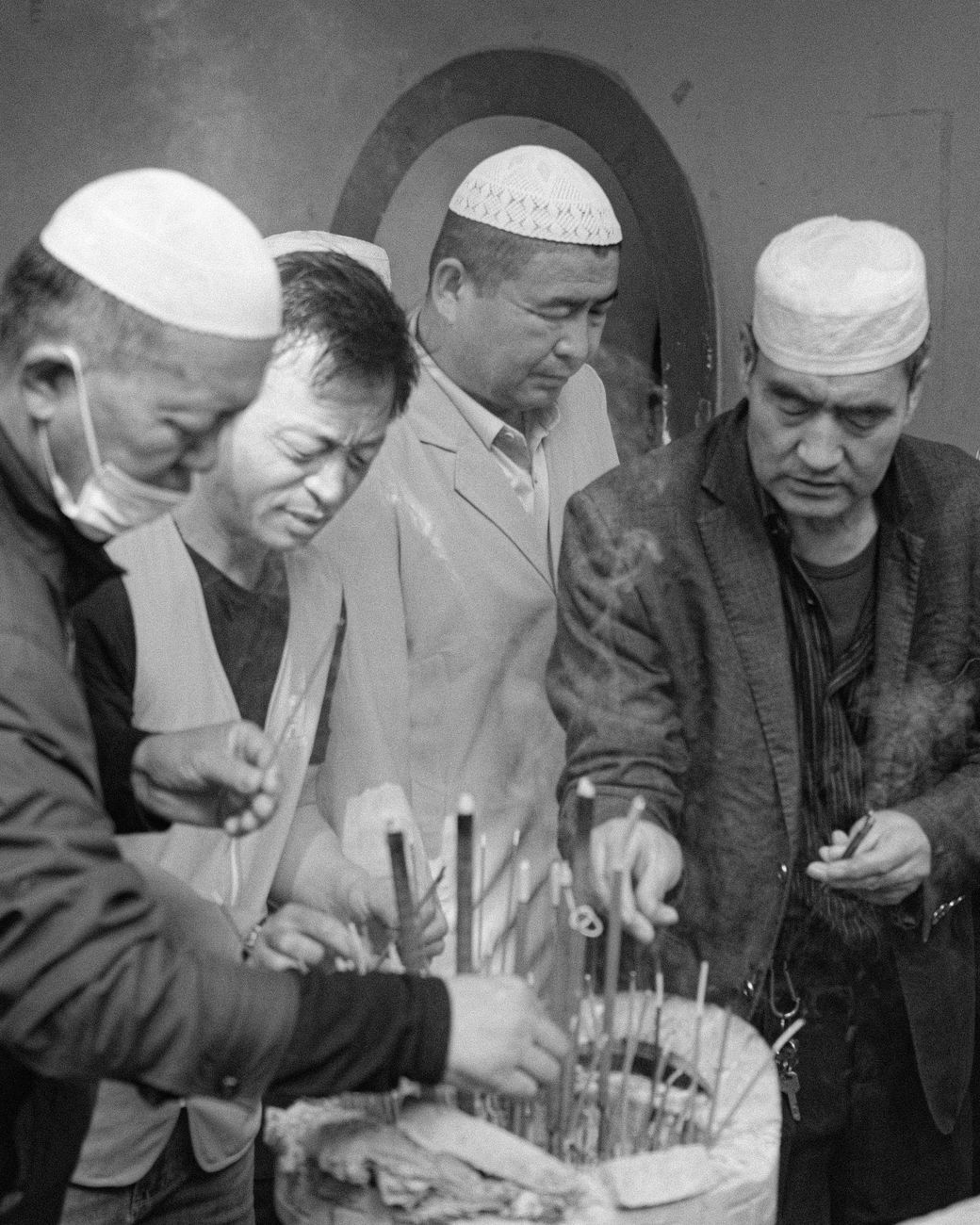
- Ancestor WorshipAt the core of the prevalence of ancestral halls in Chinese villages is the deep – seated practice of ancestor worship. In Chinese culture, ancestors are believed to have a profound influence on the lives of their descendants. They are seen as guardians who can bestow blessings, protection, and good fortune. Ancestral halls provide a dedicated space for villagers to pay their respects to their forebears through regular rituals, such as offering sacrifices, burning incense, and kowtowing. These rituals are a way to maintain a spiritual connection with the past and to express gratitude for the sacrifices and achievements of previous generations.
- Historical ContinuityAncestral halls serve as repositories of family history. Each hall often houses genealogical records, which meticulously document the lineage of the family over centuries. These records contain details about births, marriages, deaths, and the notable deeds of ancestors. By preserving this information, ancestral halls help villagers trace their roots, understand their family’s journey through time, and ensure that the family’s story is passed down from one generation to the next. For example, in some long – established villages, the genealogical records in the ancestral hall can date back hundreds of years, providing a valuable resource for scholars studying Chinese family history and social development.
III. Social and Community Functions
- Community CohesionAncestral halls act as a unifying force within the village community. They are the venue for important community events, such as festivals, weddings, funerals, and clan meetings. During festivals, the entire village may gather at the ancestral hall to celebrate, strengthening the sense of belonging and kinship among villagers. In times of conflict or decision – making, the ancestral hall serves as a neutral ground where elders can mediate disputes and make collective decisions on behalf of the clan. This function helps to maintain social order and harmony within the village.
- Educational and Moral CenterThese halls also play an educational role. They are places where the younger generation is taught about family values, traditions, and moral principles. Elders in the village use the stories of ancestors’ virtues and achievements, which are often inscribed on the walls or recorded in the genealogical records of the ancestral hall, as teaching materials. For instance, tales of ancestors who were known for their honesty, hard – work, or filial piety are recounted to inspire the younger villagers to uphold these same values in their daily lives.
IV. Architectural and Symbolic Representation
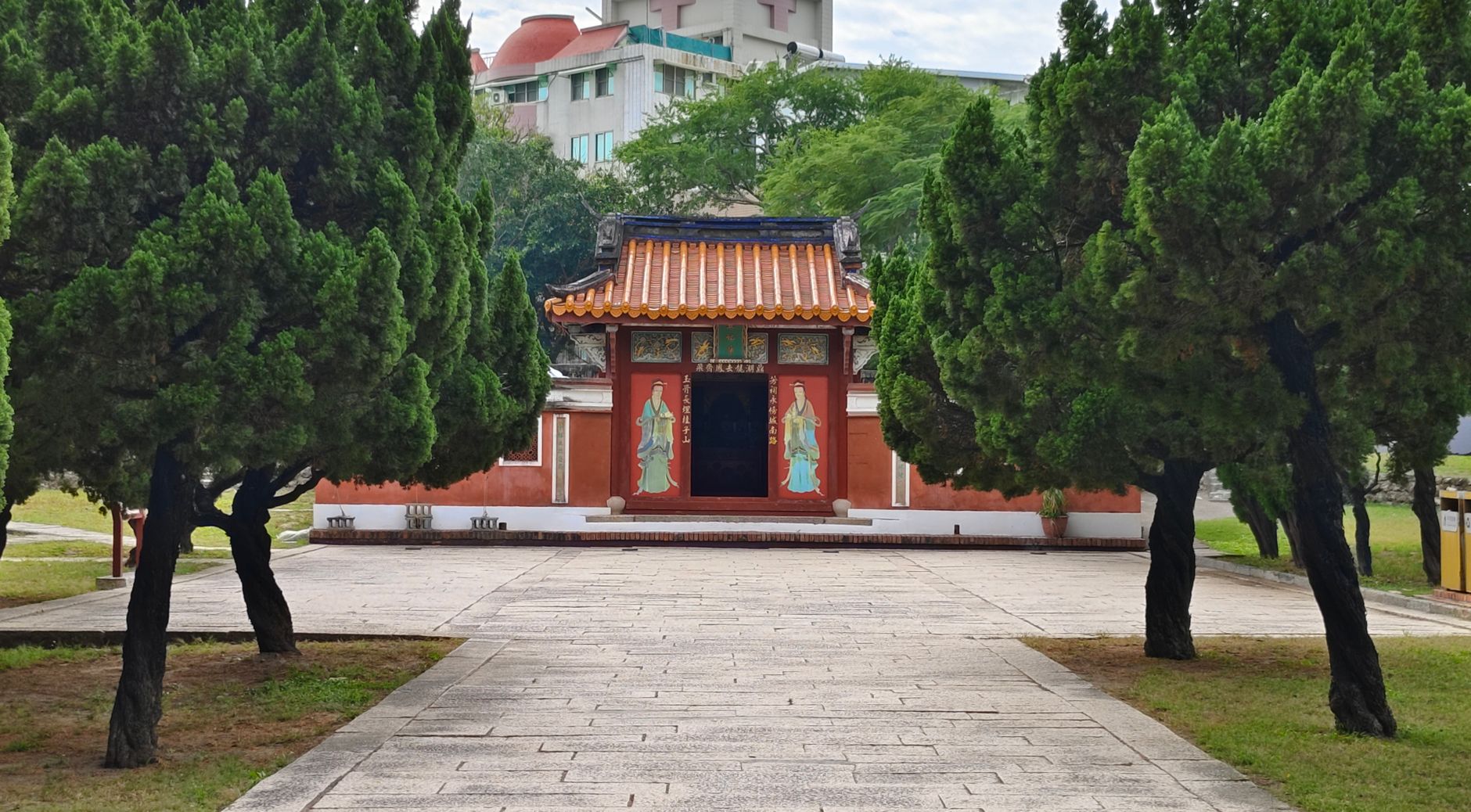
- Architectural SplendorAncestral halls are often architectural masterpieces. They showcase the unique regional architectural styles of different parts of China, from the elaborate woodcarvings and stone carvings in the southern regions to the more straightforward yet grand designs in the north. The architecture of the ancestral hall is not only a display of craftsmanship but also a symbol of the family’s status and prosperity. The size, layout, and decoration of the hall can reflect the wealth and influence of the clan over time.
- Symbolic ElementsInside the ancestral hall, there are numerous symbolic elements. The placement of ancestral tablets, the design of the main hall, and the use of colors all carry symbolic meanings. Red, for example, is a prominent color, symbolizing good luck, joy, and celebration. The layout of the hall, with a central axis and symmetric design, reflects the Chinese values of balance and order.
V. Conclusion
In conclusion, the prevalence of ancestral halls in Chinese villages is a testament to the rich cultural, historical, social, and architectural heritage of China. These structures are the living embodiment of the Chinese people’s deep – rooted connection to their ancestors, their strong sense of community, and their commitment to preserving and passing on their traditions. As China continues to modernize, ancestral halls remain an important part of rural life, bridging the past and the present.