



I. Introduction
Chinese banquets are known for their elaborate spreads and rich cultural connotations. Among the many dishes, the presence of a whole fish is almost a ritual. This tradition is deeply rooted in Chinese culture, carrying multiple layers of significance that go beyond mere gastronomy.
II. Symbolism of Wholeness and Completeness
- Concept of Totality in Chinese PhilosophyIn Chinese culture, the idea of wholeness is highly regarded. The whole fish represents completeness and unity. Just as a fish is an intact entity, it symbolizes the hope for a complete and harmonious gathering. For example, during family reunions such as the Spring Festival, having a whole fish on the table is seen as a way to ensure that the family unit remains whole and that all aspects of life, including family, career, and health, are complete.
- Auspicious Sign for Business and Social GatheringsIn business banquets or social functions, a whole fish is served to convey the message of a successful and complete transaction or relationship. It implies that everything should go smoothly from start to finish, without any missing parts or flaws.
III. Symbolic Meanings Related to Prosperity
- Homophone AssociationThe Chinese word for fish, “鱼 (yú)”, is a homophone for another Chinese character meaning “abundance” or “surplus”, “余 (yú)”. This linguistic connection gives the fish a strong association with prosperity. When a whole fish is served at a banquet, it is a wish for an abundant life, with wealth and resources left over, year after year. For instance, at the end of the year, families often serve a whole fish, hoping that the coming year will bring not only enough but a surplus of good fortune, food, and wealth.
- Fertility and GrowthFish are known for their high reproductive capacity. In Chinese cultural beliefs, this characteristic of fish is associated with fertility and growth. Serving a whole fish at a banquet can be seen as a blessing for the family or the community to grow and thrive, whether in terms of population, business, or other aspects of life.
IV. Culinary and Aesthetic Considerations
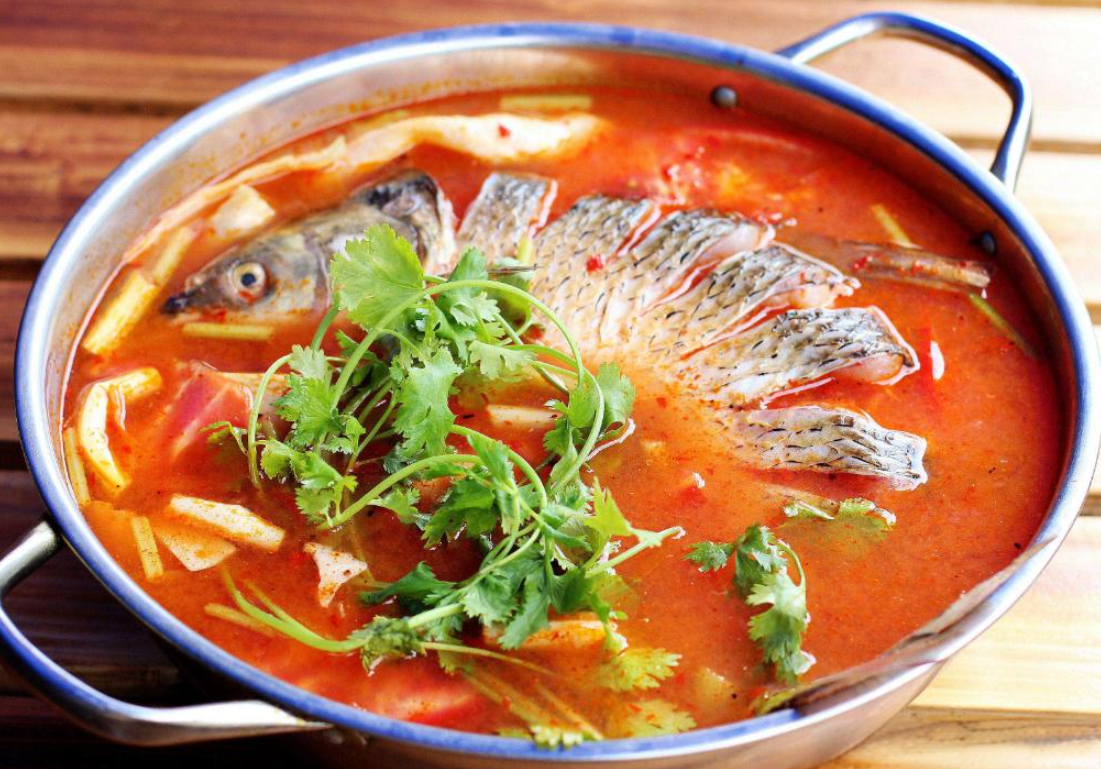
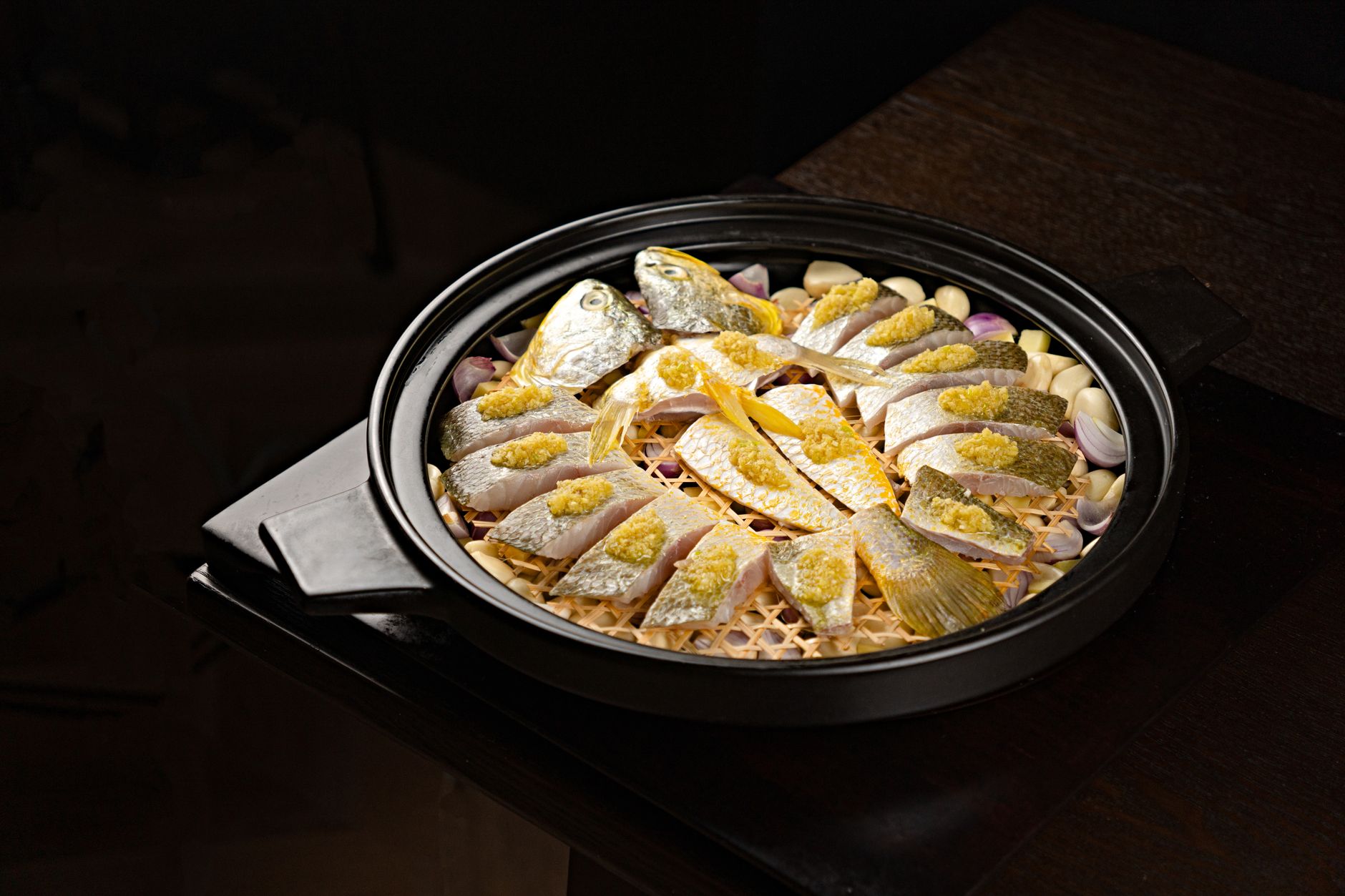
- Visual ImpactA whole fish presented on a large platter is an eye – catching centerpiece at a banquet table. Its size and shape add a sense of grandeur and opulence to the meal. The carefully arranged fish, often with its fins spread out and a garnish of colorful vegetables, makes for an aesthetically pleasing display. This visual appeal not only satisfies the diners’ eyes but also sets a festive mood for the occasion.
- Culinary TraditionPreparing a whole fish is a culinary art in Chinese cuisine. Different regions have their own signature ways of cooking whole fish, such as steamed fish in Cantonese cuisine, braised fish in Shandong cuisine, and sweet – and – sour fish in Jiangsu cuisine. Each method showcases the unique flavors and cooking techniques of the region, adding to the rich tapestry of Chinese culinary culture at the banquet.
V. Conclusion
In conclusion, the tradition of serving a whole fish at Chinese banquets is a multi – faceted cultural practice. It combines elements of symbolism related to wholeness, prosperity, and growth, along with culinary and aesthetic considerations. This simple yet profound custom continues to be an integral part of Chinese banqueting culture, passed down through generations.