



Introduction: Meet the Most Famous Character in Chinese Mythology
If you ask Western audiences to name a legendary hero, they might mention:
- Hercules
- King Arthur
- Robin Hood
- Thor
Ask a Chinese person the same question, and one answer appears again and again:
Sun Wukong.
Better known internationally as the Monkey King.
For centuries, he has been China’s most beloved mythical hero.
He is:
- A rebel
- A warrior
- A trickster
- A magician
- A troublemaker
- A protector
He has fought demons, challenged heaven itself, defeated armies of gods, and accompanied a monk on one of the greatest journeys in world literature.
His story has inspired countless:
- Books
- Movies
- Television series
- Video games
- Comics
- Animated films
Even people who know nothing about Chinese culture often recognize his image.
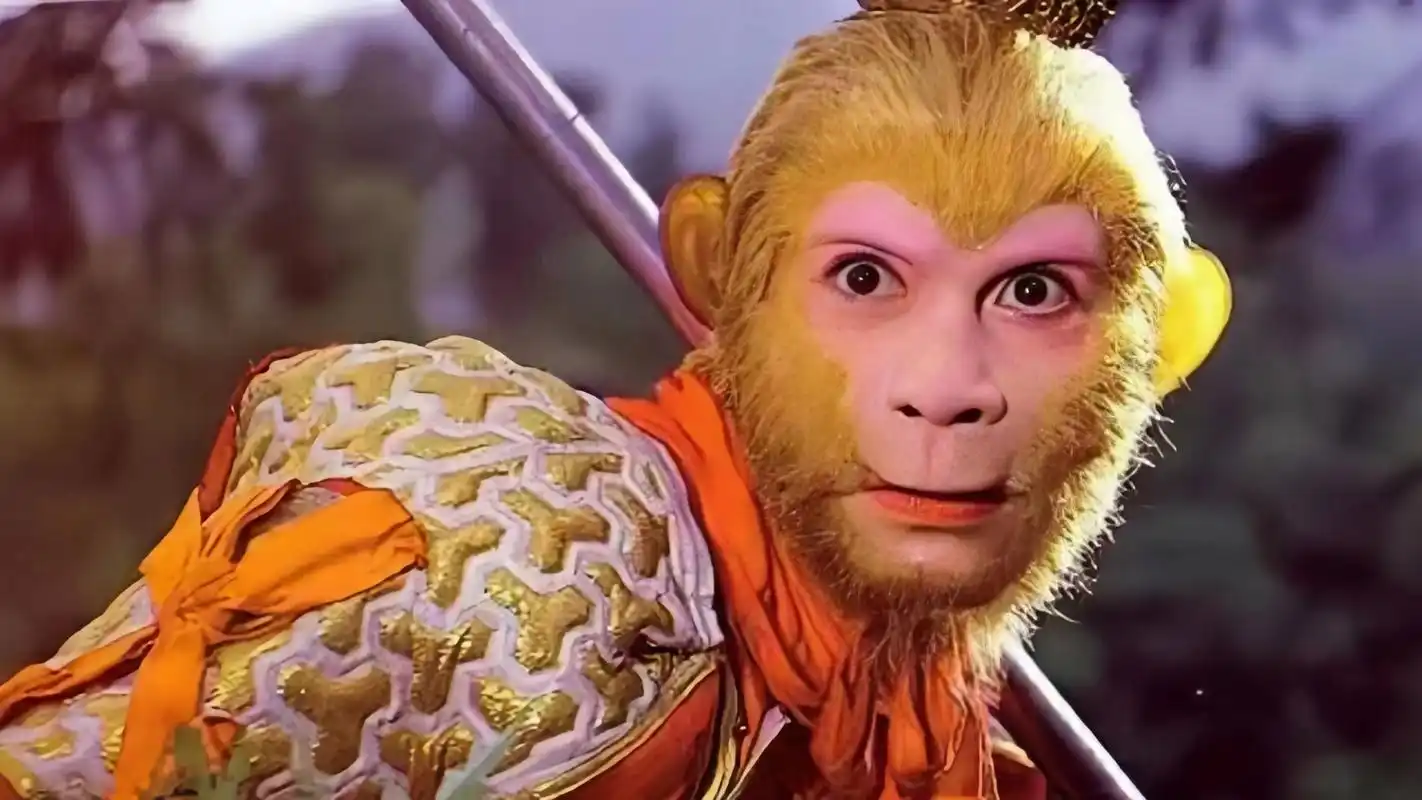
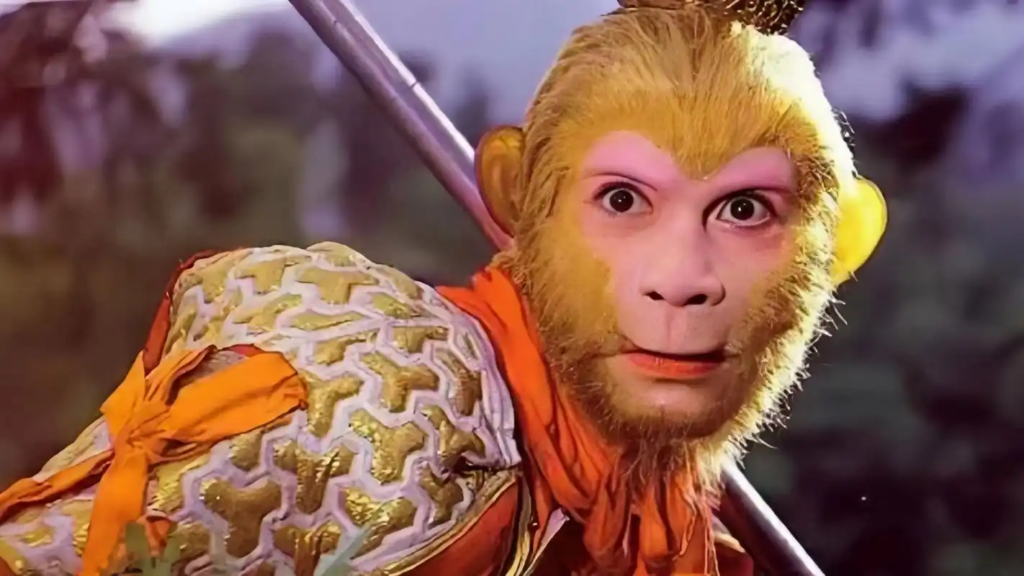
A monkey carrying a golden staff.
A mischievous smile.
Extraordinary powers.
But who exactly is the Monkey King?
And why has he remained popular for more than 400 years?
The answer begins with one of the strangest births in mythology.
Born From a Stone
Unlike ordinary heroes, Sun Wukong was not born to human parents.
According to the classic Chinese novel Journey to the West, he emerged from a magical stone.
This stone stood atop a mountain for countless ages.
Over time it absorbed:
- Sunlight
- Moonlight
- Cosmic energy
Eventually, the stone cracked open.
Out stepped a monkey.
Not an ordinary monkey.
A monkey destined to become one of the most powerful beings in existence.
From the very beginning, Sun Wukong was different.
Becoming King of the Monkeys
Soon after his birth, the monkey proved himself exceptionally brave.
He discovered a hidden waterfall that concealed a magical cave.
The other monkeys were too frightened to enter.
Sun Wukong jumped through without hesitation.
Inside he found a magnificent home.
The monkeys were so impressed that they crowned him their king.
Thus he became:
The Monkey King.
At this point, however, he was still far from becoming the legendary figure known throughout China today.
The Fear of Death
One day, the Monkey King realized something disturbing.
Even kings eventually die.
This thought terrified him.
Unlike most people, however, he decided to do something about it.
He left his kingdom and traveled across the world seeking immortality.
His quest eventually led him to a powerful Taoist master.
There he learned extraordinary skills.
The Powers of Sun Wukong
Over time, Sun Wukong acquired abilities that made him nearly unstoppable.
Immortality
Not once.
Not twice.
But multiple forms of immortality.
The Monkey King became so difficult to kill that even death itself struggled to claim him.
72 Transformations
One of his most famous powers allows him to transform into different forms.
He can become:
- Animals
- Objects
- Insects
- Human beings
This ability makes him the ultimate trickster.
Cloud Somersault
A single leap can carry him approximately 108,000 li (about 54,000 kilometers).
In practical terms, he can cross enormous distances almost instantly.
Super Strength
He possesses immense physical power.
Far beyond that of ordinary gods or humans.
Magical Hair
By pulling out strands of his hair and blowing on them, he can create copies of himself.
Imagine fighting one Monkey King.
Now imagine fighting hundreds.
The Golden Staff
No hero is complete without a legendary weapon.
Sun Wukong’s weapon is the famous Ruyi Jingu Bang.
A magical golden staff originally used to measure the depths of the ocean.
The weapon possesses remarkable abilities.
It can:
- Grow enormous
- Shrink tiny
- Change weight
- Transform size instantly
When not in use, the Monkey King often stores it behind his ear.
Despite weighing thousands of kilograms, he wields it effortlessly.
Today, the staff remains one of the most recognizable weapons in world mythology.
The Monkey King Versus Heaven
This is the episode that made Sun Wukong a legend.
As his power grew, the gods of Heaven became concerned.
To keep him under control, they offered him a minor position in the celestial bureaucracy.
The Monkey King quickly discovered the job was insignificant.
He was furious.
Feeling insulted, he declared himself:
“The Great Sage Equal to Heaven.”
This was essentially the cosmic equivalent of challenging the entire government.
And that is exactly what happened.
The War Against the Gods
What followed was one of the most entertaining rebellions in mythology.
Sun Wukong fought:
- Heavenly generals
- Celestial armies
- Divine warriors
Again and again, Heaven failed to stop him.
The Monkey King defeated opponents far more powerful than ordinary mortals.
His immortality made matters worse.
Even when captured, he could not be killed.
He survived:
- Execution attempts
- Divine punishments
- Supernatural attacks
The gods became desperate.
Eventually, they sought help from one of the most powerful figures in Buddhism.
Buddha Steps In
When Heaven could no longer control the Monkey King, the Buddha intervened.
Sun Wukong boasted that he could leap beyond the edge of the universe.
The Buddha challenged him.
The Monkey King performed a tremendous leap.
After traveling an immense distance, he reached what appeared to be the end of existence.
He proudly marked his achievement.
Then he returned.
The Buddha smiled.
The Monkey King had never left Buddha’s palm.
His incredible journey occurred entirely within the Buddha’s hand.
For the first time, Sun Wukong encountered a power greater than his own.
Imprisoned Under a Mountain
As punishment, Buddha trapped the Monkey King beneath a mountain.
There he remained for 500 years.
Unable to escape.
Unable to rebel.
Unable to fight.
The experience transformed him.
The arrogant troublemaker slowly began learning humility.
This lesson would prove essential for the next chapter of his story.
Journey to the West
Five centuries later, a Buddhist monk named Xuanzang embarked on a sacred pilgrimage to India.
His mission:
Retrieve Buddhist scriptures.
The journey would be dangerous.
Demons and monsters awaited along the route.
The Monkey King was released to serve as his protector.
This marks the beginning of the famous novel Journey to the West.
One of the Four Great Classical Novels of Chinese literature.
Why Demons Wanted to Eat the Monk
Throughout the story, demons constantly attempt to capture Xuanzang.
Why?
Because legend claimed that consuming the monk’s flesh would grant immortality.
As a result, the group faces endless dangers.
Again and again, the Monkey King saves the pilgrimage.
Without him, the journey would have ended almost immediately.
The Team of Misfits
The pilgrimage includes several memorable characters.
Xuanzang
The compassionate monk.
Sun Wukong
The powerful Monkey King.
Zhu Bajie
A pig-like warrior known for laziness and appetite.
Sha Wujing
A loyal river spirit.
Together they form one of the most famous teams in world literature.
What Does the Monkey King Symbolize?
Sun Wukong is much more than a powerful monkey.
Different readers interpret him in different ways.
Rebellion
He challenges authority and refuses blind obedience.
Freedom
He resists restrictions and limitations.
Intelligence
He often defeats enemies through cleverness rather than force.
Self-Improvement
His journey reflects personal growth and discipline.
These themes help explain his enduring popularity.
Why Chinese People Love Him
The Monkey King embodies qualities many people admire.
He is:
- Fearless
- Clever
- Loyal
- Funny
- Independent
Unlike perfect heroes, he is flawed.
He makes mistakes.
He loses his temper.
He causes trouble.
Yet he continues growing and learning.
This humanity makes him relatable.
The Monkey King Around the World
Today Sun Wukong is known far beyond China.
His influence appears in:
- Anime
- Video games
- Movies
- Comics
- Television
Many famous fictional characters were inspired by him.
One notable example is Son Goku, whose creator openly drew inspiration from the Monkey King.
His legacy continues to spread globally.
Why Foreign Audiences Are Fascinated
For many international readers, the Monkey King feels surprisingly modern.
He combines traits from:
- Superheroes
- Tricksters
- Mythological warriors
- Rebels
He is powerful enough to challenge heaven.
Yet human enough to make mistakes.
This balance makes him timeless.
Conclusion: China’s Greatest Hero
More than four centuries after Journey to the West was written, Sun Wukong remains one of the most beloved figures in Chinese culture.
He began as a monkey born from stone.
He became a king.
A rebel.
A warrior.
A protector.
A legend.
His adventures continue to entertain readers around the world because they speak to universal themes:
Freedom.
Power.
Growth.
Redemption.
And the desire to challenge limits.
The Monkey King may be a mythical character.
But his impact on Chinese culture is very real.
And among all the heroes of world mythology, few are as unforgettable as the monkey who dared to fight Heaven itself.