
Elon Musk’s visits to China are very different from the trips made by many other celebrities.
There are usually no long sightseeing routes, no public food tours, and no casual travel photos from famous landmarks. Instead, Musk’s China trips are usually fast, business-focused, and closely watched by the global technology and auto industries.
But that is exactly what makes them interesting.
If Tim Cook’s visits show China as a consumer market, and Jensen Huang’s visits show China as an AI and technology hub, then Elon Musk’s China trips show another side of the country: the world’s largest electric vehicle market and one of the most important places for Tesla’s future.
Why Elon Musk Visits China
For Elon Musk, China is not just another overseas market.
It is one of Tesla’s most important production and sales bases. The country has a huge electric vehicle market, strong supply chains, fast-moving competitors, and a large consumer base that has embraced new-energy vehicles.
This means every Musk visit to China is closely watched by investors, policymakers, and auto industry observers.
His trips are usually connected to topics such as Tesla production, electric vehicle competition, data regulation, autonomous driving, and the possible rollout of advanced driver-assistance features.
Stop 1: Beijing — Policy, Technology, and High-Level Meetings
Beijing is often the political and regulatory center of Musk’s China trips.
During recent visits, Musk met Chinese officials and discussed issues related to Tesla’s business in China, including Full Self-Driving technology and data-related approvals.
For Tesla, Beijing matters because many of the company’s most important challenges in China are not only about selling cars. They are also about regulation, data security, mapping, autonomous driving, and long-term market access.
For travelers, Beijing tells a very different story.
If you want to understand the city beyond Musk’s business meetings, you can explore places such as the Forbidden City, the Temple of Heaven, the Great Wall, Sanlitun, and Beijing’s traditional hutong neighborhoods.
Beijing is where China’s history, politics, technology, and modern business world overlap.
What to Eat in Beijing
There is no reliable public record showing which specific restaurants Musk visited or what Chinese dishes he ate during recent trips.
But if you are following a Beijing route inspired by his China visits, these are the local foods worth trying:
- Peking Duck
- Zhajiangmian
- Jianbing
- Lamb Hot Pot
- Tanghulu
- Douzhi’er, if you want a more adventurous old-Beijing flavor
Beijing food is often hearty, wheat-based, and deeply connected to northern Chinese culture.
Stop 2: Shanghai — The Heart of Tesla’s China Story
If Beijing represents policy, Shanghai represents production.
Tesla’s Shanghai Gigafactory is one of the most important parts of Tesla’s global manufacturing network. It plays a major role in producing vehicles for both the Chinese market and export markets.
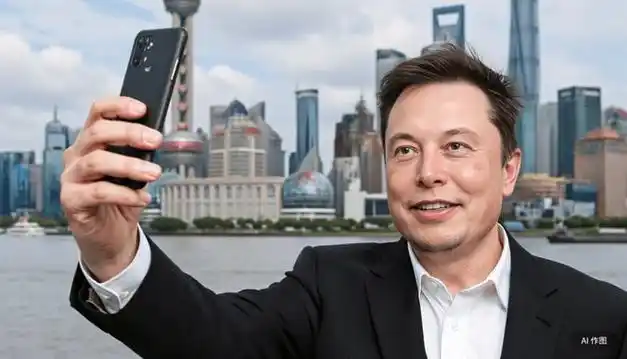
Musk has visited Shanghai in connection with the factory, and his trips there often attract major media attention.
For many people, Tesla’s Shanghai factory has become a symbol of how quickly China can build, scale, and support advanced manufacturing.
It also reflects why China is so important to global electric vehicle competition.
Why Shanghai Matters to Tesla
Shanghai offers several advantages for Tesla:
It has strong manufacturing infrastructure, a mature supply chain, access to skilled workers, and proximity to one of the world’s largest EV consumer markets.
At the same time, Shanghai is also home to many Chinese electric vehicle competitors and suppliers. This makes it both an opportunity and a challenge for Tesla.
In China, Tesla is not just selling cars. It is competing in one of the fastest-moving auto markets in the world.
What to See in Shanghai
If you want to follow the “Tesla China” side of Musk’s journey, Shanghai is essential.
Travelers can visit:
- The Bund
- Lujiazui
- Nanjing Road
- Yu Garden
- Xintiandi
- Shanghai Auto Museum
While Tesla’s Gigafactory is not a regular tourist attraction, Shanghai itself offers a clear view of modern China’s business energy and urban development.
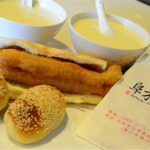
What to Eat in Shanghai
Again, there is no confirmed public information about Musk’s specific restaurant choices in Shanghai.
But visitors should try:
- Xiaolongbao
- Shengjian Bao
- Scallion Oil Noodles
- Braised Pork Belly
- Drunken Chicken
- Shanghai-style wontons
Shanghai cuisine is often more delicate and slightly sweeter than northern Chinese food.
A Different Kind of Celebrity China Trip
Musk’s China visits do not look like typical celebrity tours.
There are fewer public sightseeing moments and more closed-door meetings. There are fewer food photos and more discussions about factories, software, regulation, and the future of mobility.
But this makes his visits valuable for another reason.
They show how China is viewed by one of the world’s most influential technology entrepreneurs: not just as a travel destination, but as a key part of the global future of electric vehicles, artificial intelligence, and autonomous driving.
Final Thoughts
Following Elon Musk in China is not about recreating a food tour or visiting celebrity photo spots.
It is about understanding the cities that matter to Tesla’s China story.
Beijing shows the importance of policy, regulation, and technology approval. Shanghai shows the power of manufacturing, supply chains, and China’s electric vehicle ecosystem.
Together, they explain why China remains so important to Elon Musk, Tesla, and the global EV industry.
For travelers interested in technology, business, and modern China, Musk’s China route offers a different kind of travel guide—one focused not only on where to go, but on why these cities matter.