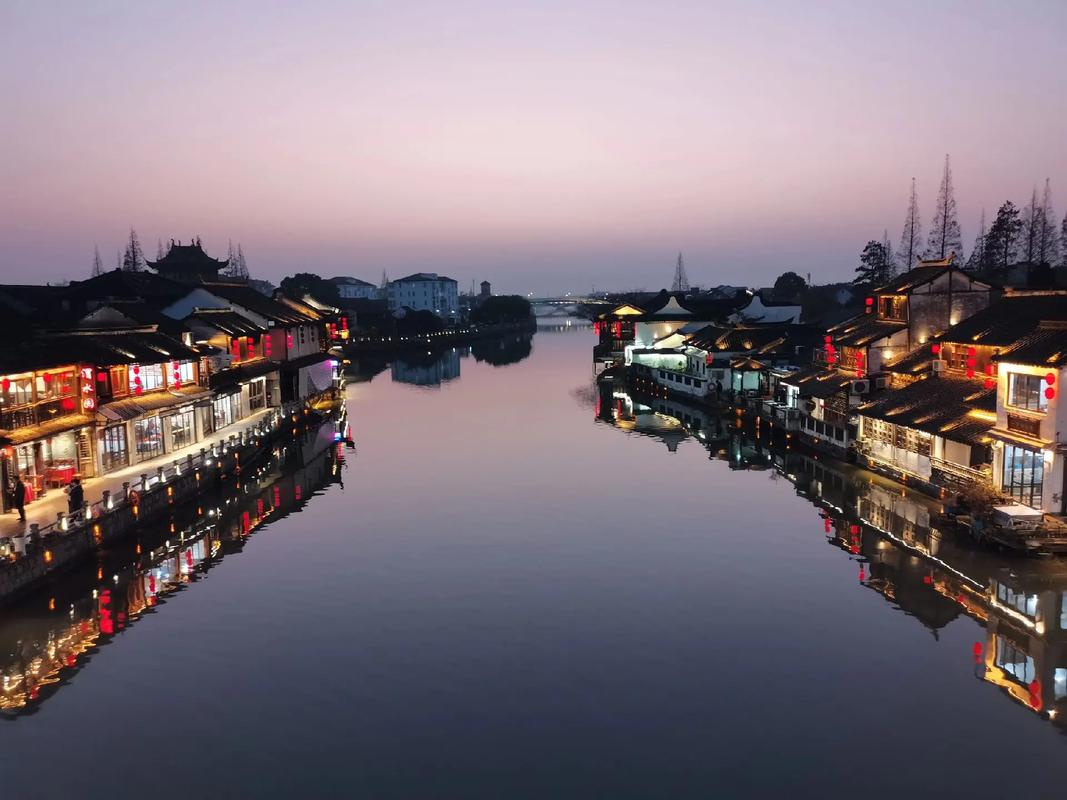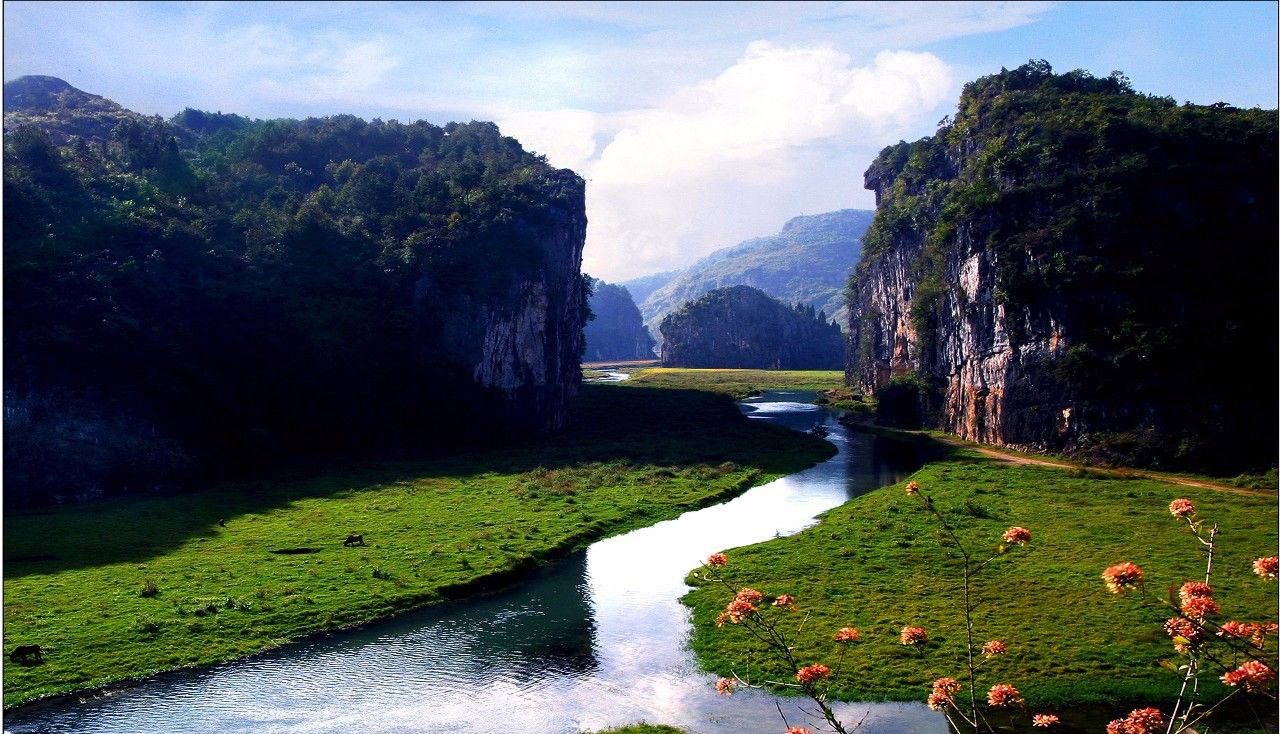



Introduction: The Chinese City That Looks Like Science Fiction
Imagine a city where apartment towers stand on top of mountains.
Where roads run through the 20th floor of buildings.
Where a subway train disappears into a residential complex.
Where bridges cross deep river valleys hundreds of feet above the water.
And where endless layers of skyscrapers glow beneath neon lights after dark.
If this sounds like a setting from a science fiction movie, you might be surprised to learn that it is real.
Welcome to Chongqing.
To many foreign visitors, Chongqing is the most surprising city in China.
While Beijing is known for history and Shanghai for finance, Chongqing has earned another reputation altogether: the city that looks like the future.
Often compared to scenes from films such as Blade Runner, Ghost in the Shell, and Cyberpunk 2077, Chongqing has become an internet sensation. Videos of its multi-level roads, elevated railways, and dramatic skyline regularly attract millions of views worldwide.
Yet behind the viral videos lies a city with more than 3,000 years of history, a unique mountain culture, and one of the most fascinating urban landscapes ever created by humans.
To understand Chongqing is to understand how geography can shape an entire civilization.

A City Built Between Mountains and Rivers
Most major cities are built on flat land.
Chongqing is not.
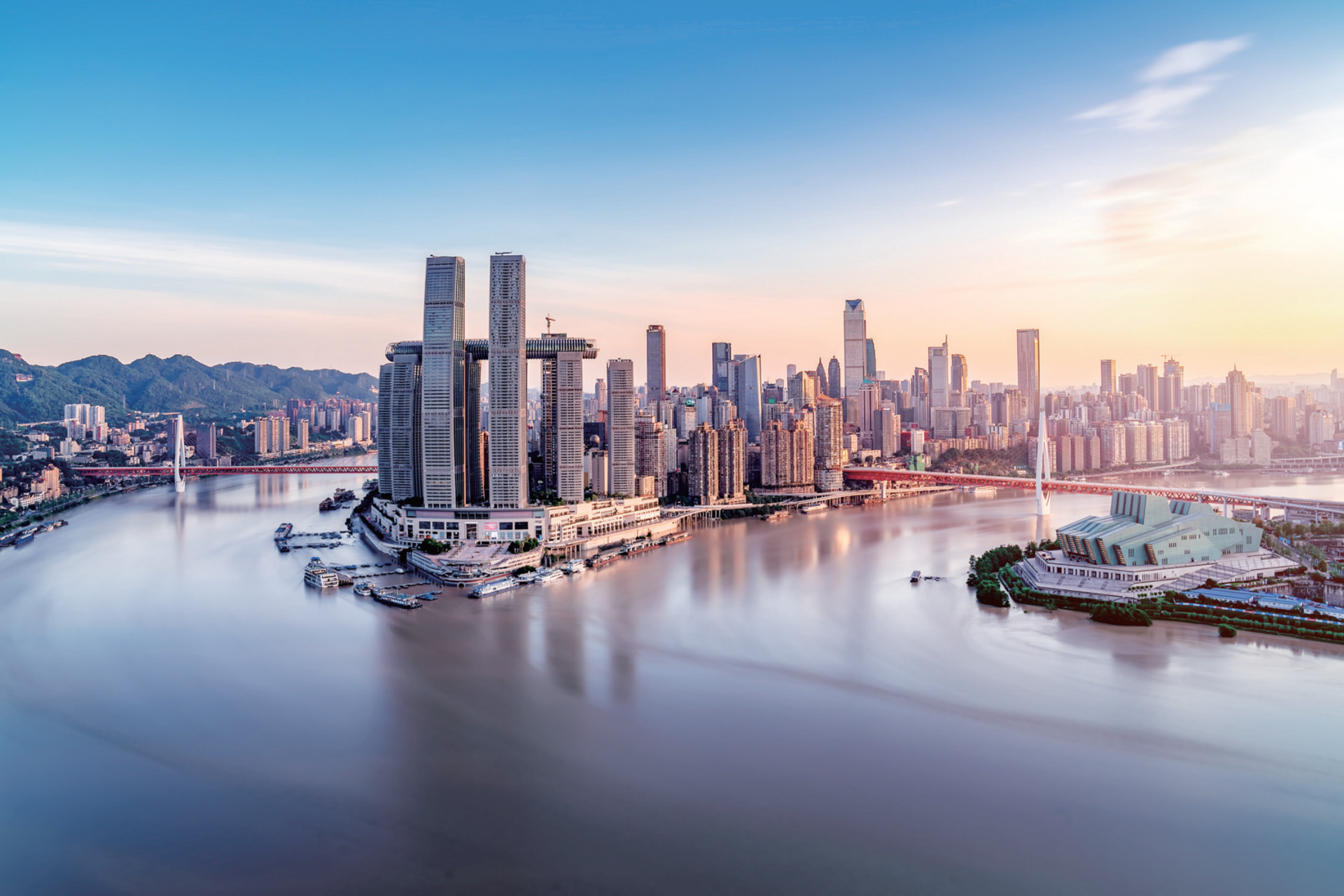
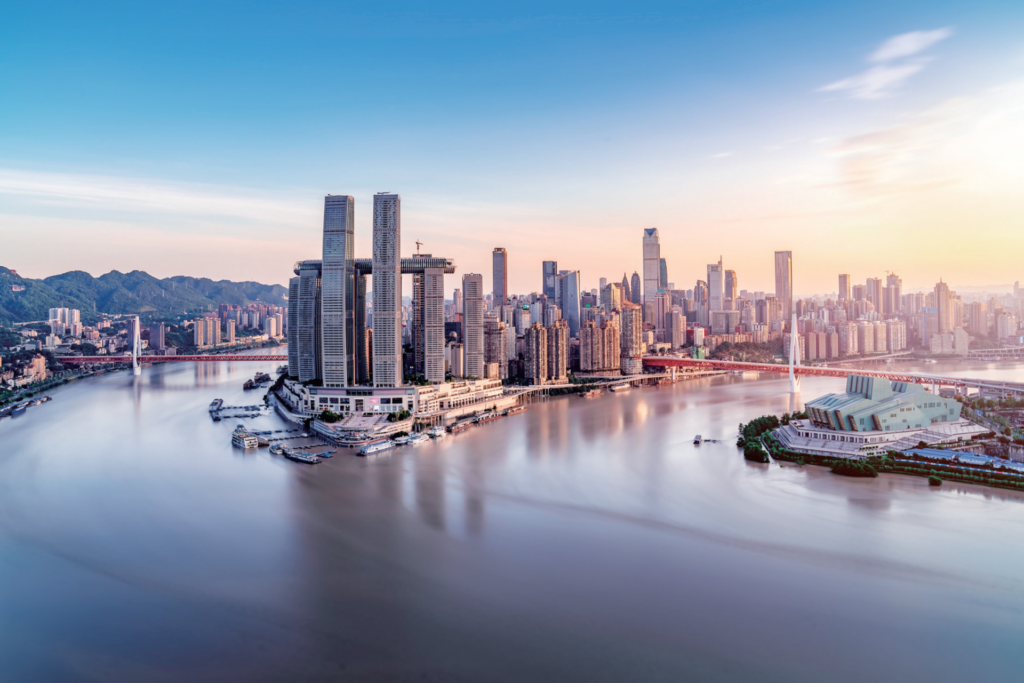
The city sits at the meeting point of the Yangtze River and the Jialing River.
Surrounding it are steep hills, cliffs, ridges, and mountains.
For centuries, these natural barriers shaped how people lived.
Instead of expanding outward like many cities, Chongqing expanded upward.
Buildings were stacked on hillsides.
Roads followed mountain contours.
Neighborhoods climbed steep slopes.
The result is a city unlike almost any other on Earth.
Visitors often joke that in Chongqing, the concept of a “ground floor” barely exists.
A building’s first floor on one side may be its fifteenth floor on another.
This vertical complexity has become one of the city’s defining characteristics.
Why Chongqing Looks Like a Cyberpunk City
The word “cyberpunk” describes futuristic urban environments filled with towering buildings, neon lights, dense populations, and layered transportation systems.
Chongqing naturally possesses many of these features.
Unlike cities that deliberately tried to create futuristic aesthetics, Chongqing developed this appearance organically.
Its geography forced engineers and architects to think vertically.
As the city expanded, layers of infrastructure accumulated:
- Elevated highways
- Multi-level intersections
- Suspended railways
- Hillside residential towers
- Massive bridges
- Underground passages
When illuminated at night, the city transforms into a sea of lights stretching across mountains and rivers.
Many travelers describe their first view of Chongqing after sunset as unforgettable.
The skyline appears to float above the landscape.
The Famous Train That Passes Through a Building

Perhaps no attraction better symbolizes Chongqing than Liziba Station.
At first glance, it seems impossible.
A metro train appears to drive directly through the middle of a residential building.
Millions of online viewers initially assume the videos are fake.
They are not.
The station was carefully integrated into the structure during construction.
Special engineering techniques reduce noise and vibration, allowing residents to live comfortably above and below the railway.
The result has become one of China’s most photographed urban landmarks.
For many foreign tourists, seeing the train emerge from the building is a bucket-list experience.
The City of Bridges

Because of its rugged geography and two major rivers, Chongqing depends heavily on bridges.
The city contains dozens of major crossings connecting districts separated by water and mountains.
Some are among the longest and most impressive bridges in China.
These structures are not merely transportation infrastructure.
They are symbols of the city’s determination to overcome geographical limitations.
Without bridges, modern Chongqing could not exist.
A Megacity Hidden From the World
One of the most astonishing facts about Chongqing is its size.
The municipality has a population larger than many countries.
Yet outside Asia, relatively few people know much about it.
This surprises many visitors.
How can one of the largest urban centers on Earth remain relatively unknown internationally?
Part of the answer lies in geography.
Unlike coastal cities such as Shanghai and Hong Kong, Chongqing developed inland.
For much of its history, it remained hidden among mountains deep in southwestern China.
Today, however, social media has changed that.
Increasingly, international travelers are discovering what Chinese tourists have known for years: Chongqing is one of the country’s most extraordinary destinations.
The Capital of Hot Pot

No discussion of Chongqing is complete without mentioning food.
The city is widely regarded as the birthplace of Chongqing hot pot.
Unlike milder versions found elsewhere, authentic Chongqing hot pot is famous for its intense flavors.
The broth contains:
- Chili peppers
- Sichuan peppercorns
- Garlic
- Ginger
- Aromatic spices
The resulting combination creates the famous “mala” sensation—a mixture of heat and numbing spice.
Eating hot pot in Chongqing is more than a meal.
It is a social ritual.
Friends and families gather around bubbling pots for hours, sharing food and conversation.
For many visitors, the culinary experience becomes one of the highlights of their trip.
Hongya Cave: The Most Photographed Building in Chongqing

If Chongqing has an icon, it is Hongya Cave.
Built along a steep cliff overlooking the river, the complex resembles an ancient Chinese city suspended in mid-air.
At night, thousands of golden lights illuminate the structure.
The scene has become famous worldwide through social media.
Many visitors compare it to the animated worlds of Studio Ghibli or fantasy films.
Yet Hongya Cave is more than a visual attraction.
It reflects traditional architecture adapted to mountainous terrain.
Its distinctive stilt-house design has roots stretching back centuries.
Why Travelers Keep Returning
Most tourists visit Beijing once.
Many visit Shanghai once.
But Chongqing has a unique ability to surprise people repeatedly.
Every neighborhood feels different.
Every hill reveals a new perspective.
Every river crossing offers another dramatic view.
The city rewards exploration.
It cannot be fully understood from a single observation deck or famous attraction.
Instead, it unfolds gradually.
The deeper travelers venture into its maze of staircases, bridges, tunnels, and hillside streets, the more fascinating it becomes.
Conclusion: China’s Most Extraordinary Urban Landscape
Chongqing challenges almost every assumption people have about cities.
It is ancient yet futuristic.
Massive yet intimate.
Chaotic yet remarkably functional.
Built not despite its mountains, but because of them.
For travelers seeking a side of China beyond the usual guidebooks, Chongqing offers something rare: genuine surprise.
It is a place where geography, engineering, history, and modernity collide to create one of the most unique urban environments on Earth.
And perhaps that is why so many visitors leave with the same conclusion:
If any city in the world feels like the future, it is Chongqing.