


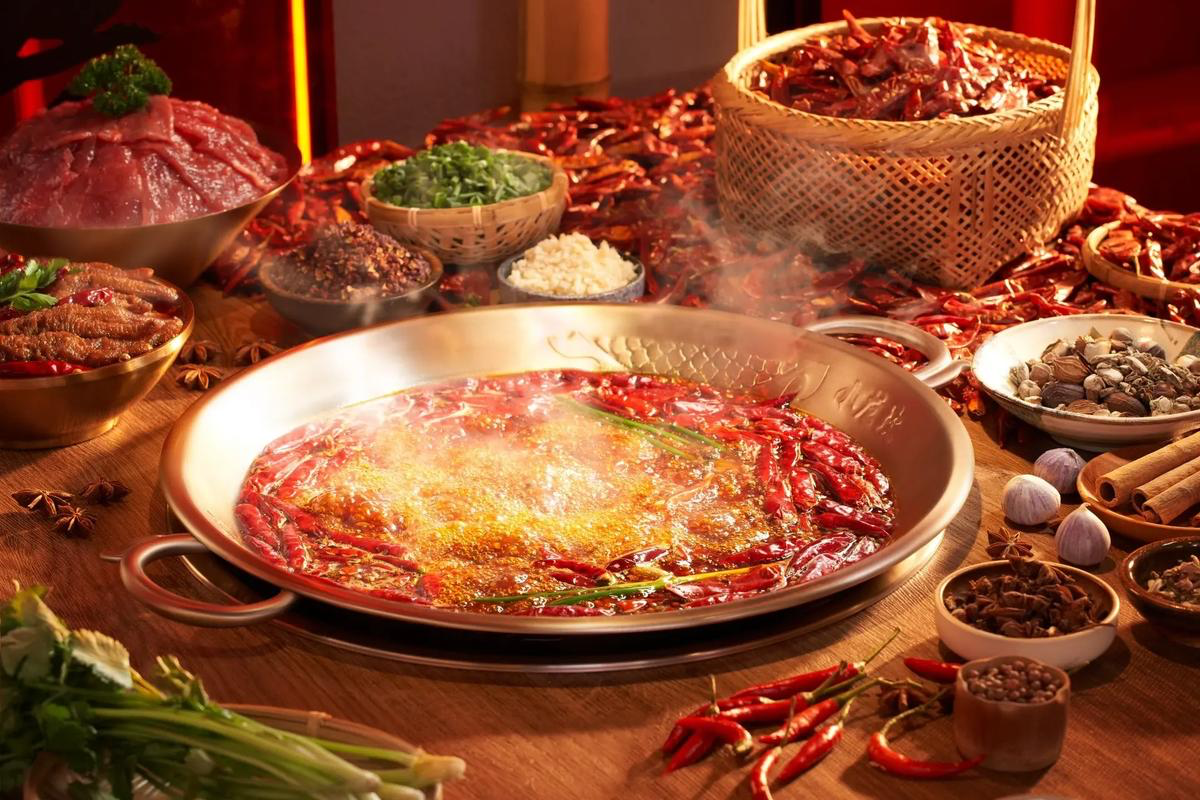
Chinese hot pot is one of the most iconic and diverse culinary traditions in China, celebrated worldwide for its interactive dining experience, rich aromatic broths, and bold layered flavors. Unlike a single standardized dish, hot pot varies drastically across different provinces in southwest and southern China. Each region has developed its own unique hot pot style shaped by local climate, indigenous ingredients, ethnic culture, and regional taste preferences. Among the most famous categories are Sichuan hot pot, Chongqing hot pot, Guizhou hot pot, Yunnan hot pot, and Hunan hot pot. Although these regional hot pots all feature the core form of boiling fresh ingredients in a seasoned broth, their soup bases, spiciness levels, cooking techniques, signature dipping sauces, and classic side ingredients are distinctly different. This article comprehensively analyzes the characteristics and differences of the five major Chinese regional hot pot styles, helping global food lovers understand the diversity and charm of authentic Chinese hot pot culture.
1. Chongqing Hot Pot: The Origin of Heavy Oil Spicy Hot Pot
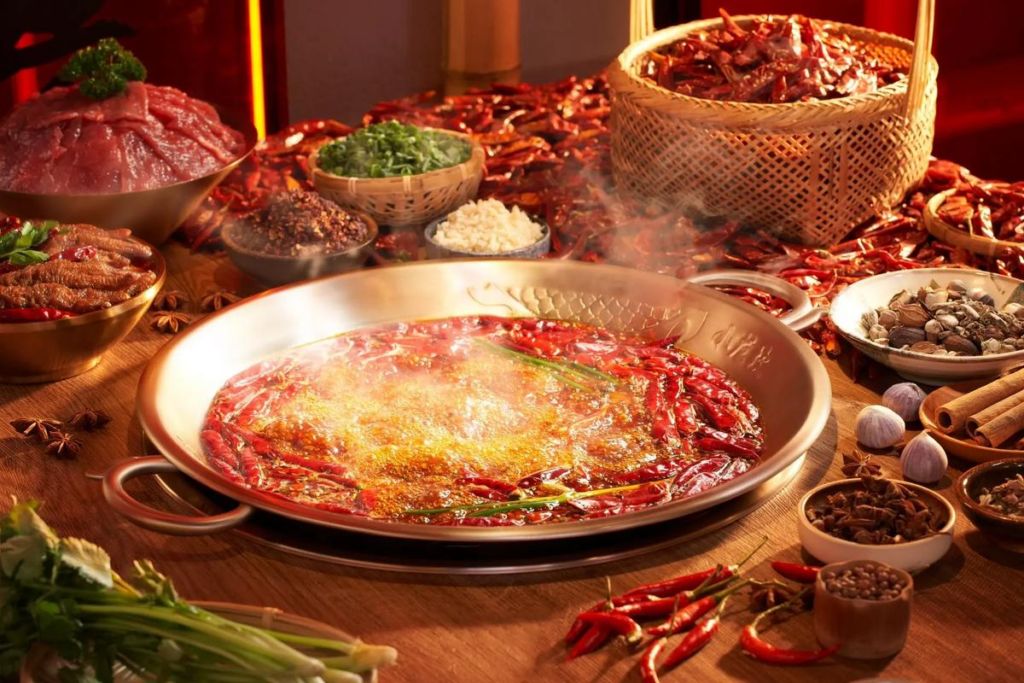
Chongqing hot pot is universally recognized as the originator of modern spicy hot pot and the most intense and robust style among all Chinese hot pots. Born from the ancient dock labor culture of Chongqing’s Yangtze and Jialing River wharves, Chongqing hot pot was originally a cheap, high-calorie meal for hardworking dock porters, featuring heavy oil, strong spice, and affordable ingredients to resist cold and damp mountain climate.
The most prominent feature of authentic Chongqing hot pot is its massive amount of beef tallow. Different from vegetable oil-based hot pots, traditional Chongqing hot pot uses pure solid beef tallow as the base, paired with dozens of handmade fermented Pixian broad bean pastes, dried chili clusters, Sichuan peppercorns, star anise, cinnamon, and Chinese medicinal herbs. The slow simmered broth presents a deep bright red color, with a thick, mellow, and lasting fragrance. Its core flavor isnumbing, spicy, rich, and bold, with strong oil saturation that locks in flavor for every ingredient.
Chongqing hot pot strictly adheres to the classic “old pot” craft. The repeatedly simmered broth accumulates layered spice aromas, creating an incomparable savory taste. There is almost no clear soup base in traditional Chongqing hot pot; the pure spicy red oil pot is the orthodox choice. The signature dipping sauce is simple and classic: minced garlic, sesame oil, and coriander, which neutralizes excessive spiciness without covering the rich beef tallow flavor. Classic must-order ingredients include hairy tripe, duck blood, beef omasum, and pork artery, which perfectly absorb the heavy red oil broth.
2. Sichuan Hot Pot: Balanced Fragrant and Mild Spicy Style
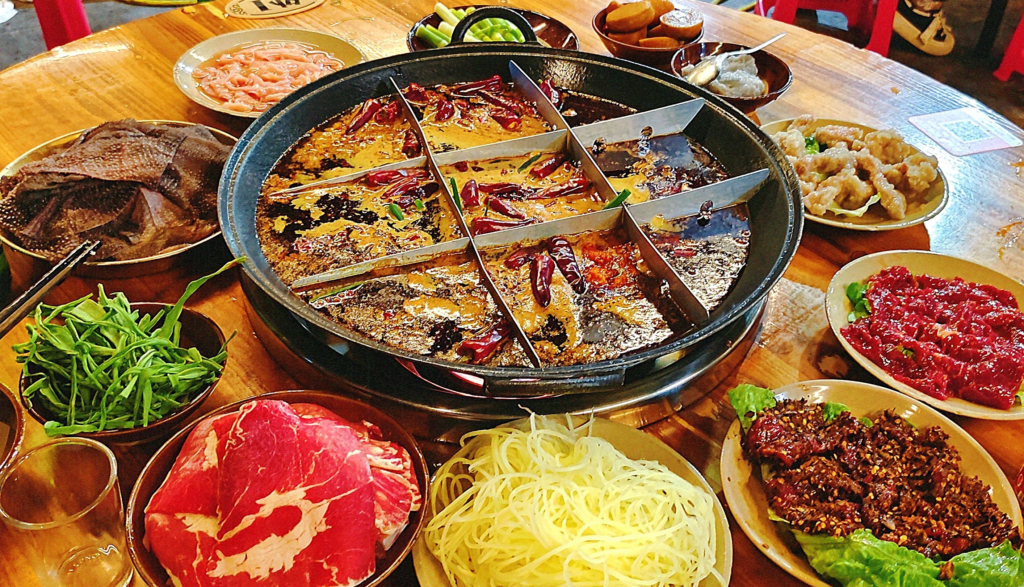
Often confused with Chongqing hot pot, Sichuan hot pot (mainly represented by Chengdu hot pot) has obvious taste and craft differences, focusing on fragrance balance and mild palatability. After Chongqing became a municipality directly under the central government, Sichuan hot pot gradually formed an independent and standardized catering system, abandoning the excessive heavy oil and strong stimulation of traditional Chongqing styles, and becoming more suitable for mass public taste.
Sichuan hot pot mainly uses vegetable oil and blended oil instead of pure beef tallow, resulting in a lighter and clearer broth texture. Its flavor core is “aroma first, spiciness second”. Chefs pay great attention to the layered matching of spices, adding fragrant leaves, cardamom, fructus amomi, and other aromatic ingredients to enhance the rich fragrance of the broth. The spiciness is soft and long-lasting rather than violent, with a prominent fresh and savory taste.
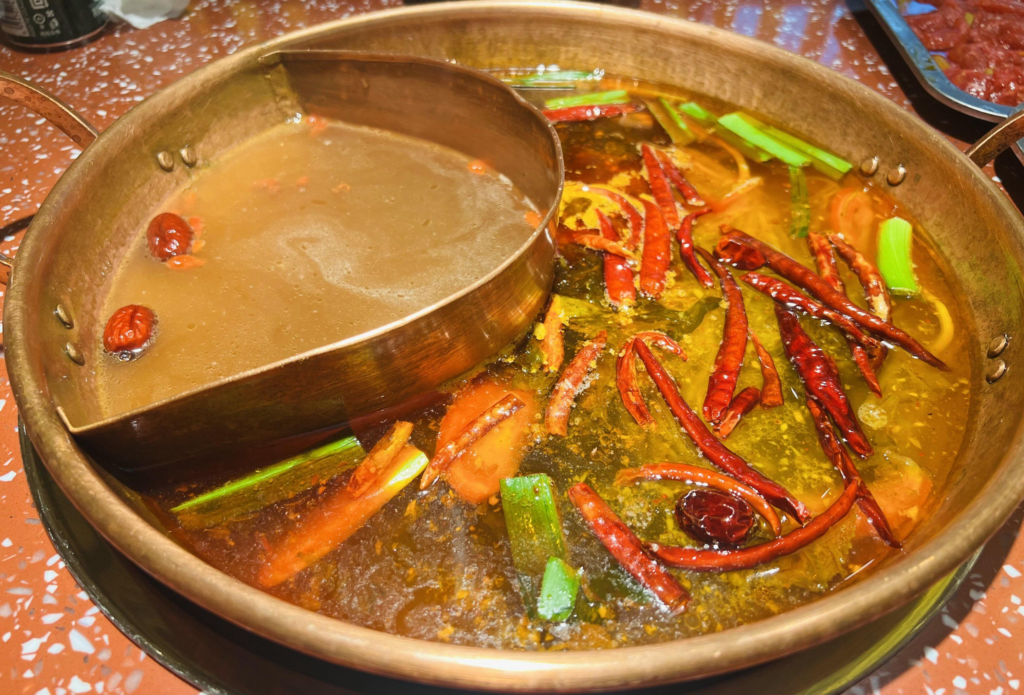
In terms of pot types, Sichuan hot pot pioneered the famous yuan yang pot (half spicy, half clear soup), perfectly balancing spicy and mild tastes to cater to diners who cannot tolerate heavy spiciness. The dipping sauce is richer and more diverse, with sesame paste, peanut butter, fermented bean curd, and chili oil as common collocations. Sichuan hot pot also features more refined meat and vegetable ingredients, focusing on fresh local seasonal ingredients, forming a dining style that is fragrant, moderate, and highly inclusive.
3. Guizhou Hot Pot: Sour and Spicy Fermented Flavor Specialty
Guizhou hot pot is the most distinctive niche style among southwest Chinese hot pots, famous for its exclusive sour and spicy fermented broth, completely different from the spicy and numbing flavor of Sichuan and Chongqing hot pot. Affected by the local multi-ethnic culture and humid mountain climate, Guizhou people are fond of sour fermented food to stimulate appetite and eliminate dampness, creating a unique sour hot pot system that dominates the local catering market.
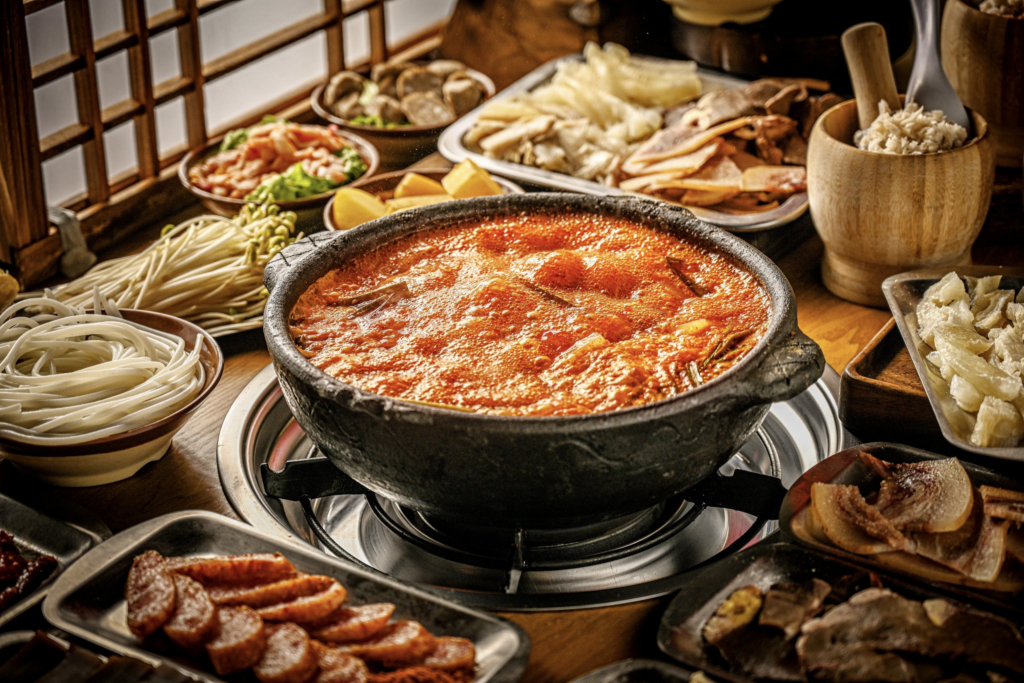
The core soul of Guizhou hot pot is homemade fermented sour soup, divided into white sour soup and red sour soup. White sour soup is fermented from glutinous rice water, vegetables, and natural probiotics, with a fresh and mild sour taste; red sour soup is brewed with local wild tomatoes, red peppers, and ginger through natural anaerobic fermentation, presenting a bright reddish-orange color and rich layered sour-spicy flavor. No excessive heavy oil is added to Guizhou hot pot broth, making it fresh, refreshing, and not greasy.
The most representative category is Guizhou sour soup fish hot pot. Fresh river fish simmered in fermented sour soup fully absorbs the sour and spicy aroma, with tender and flavorful fish meat. Local special ingredients such as pickled vegetables, bean curd skin, and glutinous rice cake are exclusive collocations of Guizhou hot pot. Its dipping sauce uses local specialty chili powder and sour tomato sauce, forming a unique ethnic flavor that cannot be replicated by other regional hot pots.
4. Yunnan Hot Pot: Fresh, Mild and Herbal Ecological Style
Yunnan hot pot is known as the “most healing hot pot in China”, completely breaking the spicy dominant style of southwest hot pot, taking original fresh, herbal nourishing, and ecological mild taste as its core feature. Benefiting from Yunnan’s superior plateau ecological environment and rich biological resources, Yunnan hot pot focuses on restoring the natural umami of ingredients, pursuing health, freshness and nourishment.
The most famous representative is Yunnan wild mushroom hot pot. The broth is boiled from local high-quality chicken, pork bones, and natural spring water, with zero heavy spice and zero excessive oil. Various rare wild mushrooms such as chanterelle, bolete, and termite mushroom are added to the clear soup to simmer slowly, releasing rich natural umami substances. The soup base is fresh, sweet, and mellow, with extremely high nutritional value.
In addition to mushroom hot pot, Yunnan also has characteristic cross-bridge rice noodle hot pot and beef hot pot. Different from other regional hot pots that rely on seasonings to create flavor, Yunnan hot pot takes “ingredient umami” as the core, with light taste, fresh texture, and healthy nourishing attributes. The dipping sauce is simple and refreshing, mainly matched with fresh chili, coriander, and lime, which highlights the original flavor of ingredients. It is the most suitable hot pot style for light taste diners and health-preserving groups.
5. Hunan Hot Pot: Dry Spicy, Salty and Bold Local Flavor
Hunan hot pot, also known as Hunan old hot pot, is a typical representative of southern Chinese spicy hot pot, with a flavor orientation completely different from Sichuan-Chongqing numbing-spicy. Hunan cuisine is famous for “dry spicy and pure spicy”, and Hunan hot pot perfectly inherits this feature, taking strong dry spiciness, rich saltiness, and mellow sauce flavor as its core, with almost no numbing taste of Sichuan peppercorn.
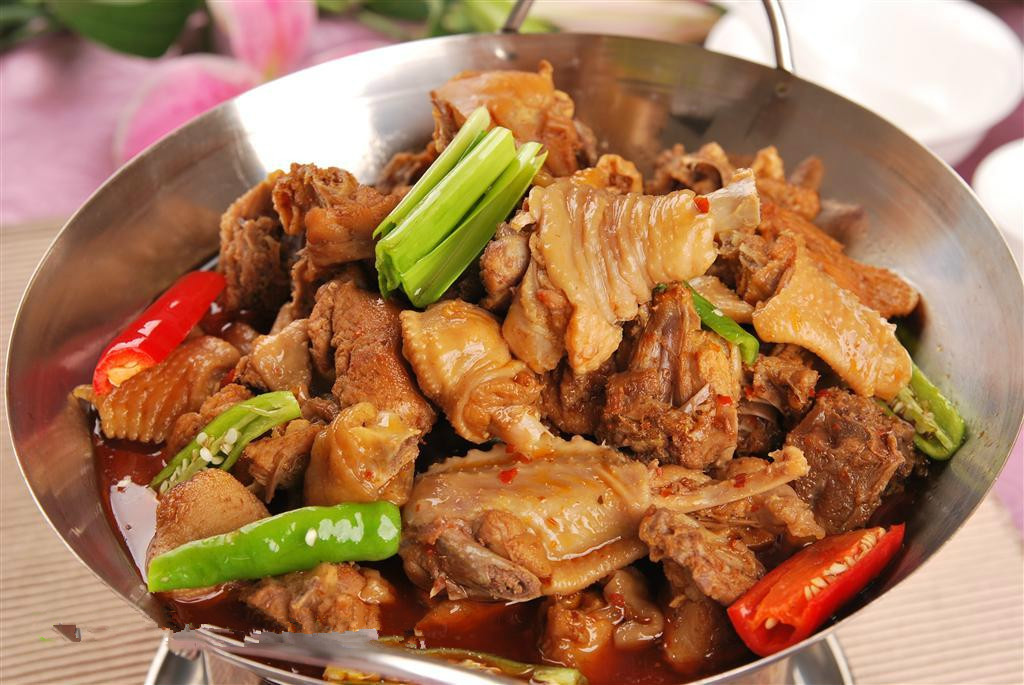
Hunan hot pot does not pursue heavy oil red soup. Its broth is seasoned with Hunan local dried chili, chopped chili, fermented bean curd, and bone soup. The spiciness is direct, intense, and penetrating, belonging to pure fiery dry spiciness without greasy feeling. Most Hunan hot pots are dry pot and small hot pot integrated style. Many classic dishes are pre-fried with ingredients and seasonings first, then simmered in a small pot, making the ingredients more flavorful and the sauce richer.
Classic Hunan hot pot categories include pork belly hot pot, beef hot pot, and fish head hot pot. Local smoked bacon, dried vegetables, and fermented chili are exclusive characteristic ingredients. Compared with Sichuan-Chongqing hot pot’s layered spice aroma, Hunan hot pot is more straightforward and bold, with strong taste impact, which is the typical representative of Hunan people’s unyielding and forthright character.
Core Differences Summary of Five Regional Chinese Hot Pots
Chongqing Hot Pot: Beef tallow base, heavy oil heavy spice, numbing and strong spicy, rich and mellow, dock-style bold flavor, the most stimulating taste.
Sichuan (Chengdu) Hot Pot: Vegetable oil blended base, fragrant and mild spicy, balanced taste, inclusive yuan yang pot, suitable for public taste.
Guizhou Hot Pot: Fermented sour soup base, sour and spicy refreshing, low oil healthy, ethnic fermented flavor, unique appetite-boosting taste.
Yunnan Hot Pot: Bone soup mushroom base, fresh sweet mild, zero heavy spice, ecological nourishing, highlighting original ingredient umami.
Hunan Hot Pot: Chopped chili seasoning base, pure dry spicy, salty and rich sauce, no numbing flavor, straightforward and bold local taste.