




Introduction: The Biggest Misunderstanding About Chinese Food
Ask a foreigner what Chinese people eat for breakfast.
Most answers are surprisingly similar.
“Dumplings.”
“Rice.”
“Maybe noodles.”
Some might mention soy milk.
Others imagine fortune cookies, despite the fact that most Chinese people have never eaten one for breakfast—or at all.
The truth is far more interesting.
China is roughly the same size as Europe.
Its population exceeds 1.4 billion people.
Its culinary traditions developed across deserts, mountains, grasslands, tropical forests, river valleys, and coastal regions.
As a result, there is no single Chinese breakfast.
In fact, breakfast in one Chinese city may look completely foreign to someone living in another part of the country.
Traveling across China through breakfast alone is like traveling across multiple countries.
The flavors change.
The ingredients change.
Even the idea of what constitutes breakfast changes.
For curious travelers, understanding Chinese breakfast culture offers one of the best windows into everyday life.
Breakfast Matters in China
Traditional Chinese culture has long emphasized the importance of breakfast.
Many older Chinese people still believe that breakfast is the most important meal of the day.
There is a popular saying:
“Eat breakfast like an emperor, lunch like a prince, and dinner like a beggar.”
Whether people follow this advice or not, breakfast remains deeply embedded in daily routines.
Unlike in many Western countries where breakfast might consist of cereal or toast eaten quickly at home, Chinese breakfasts are often hot, freshly prepared, and purchased from local vendors.
In many neighborhoods, streets become lively shortly after sunrise.
Steam rises from bamboo baskets.
Large pots of soup simmer.
Fresh dough is stretched and fried.
The morning meal becomes a social ritual as much as a nutritional necessity.
Beijing: Breakfast in the Imperial Capital
In Beijing, breakfast reflects centuries of northern Chinese traditions.
One classic option is jianbing.
At first glance, it resembles a crepe.
But appearances are deceptive.
A thin batter is spread across a hot griddle.
Egg is added.
Various sauces provide flavor.
Fresh herbs add fragrance.
A crispy fried cracker is folded inside for texture.
The result is portable, affordable, and delicious.
Many Beijing residents grab a jianbing while commuting to work.
For visitors, it is often their first introduction to authentic Chinese street breakfast.
Another traditional Beijing breakfast includes soy milk paired with deep-fried dough sticks known as youtiao.
The combination has remained popular for generations.
Simple yet satisfying, it represents comfort food for millions.

Shanghai: A City That Eats Soup for Breakfast
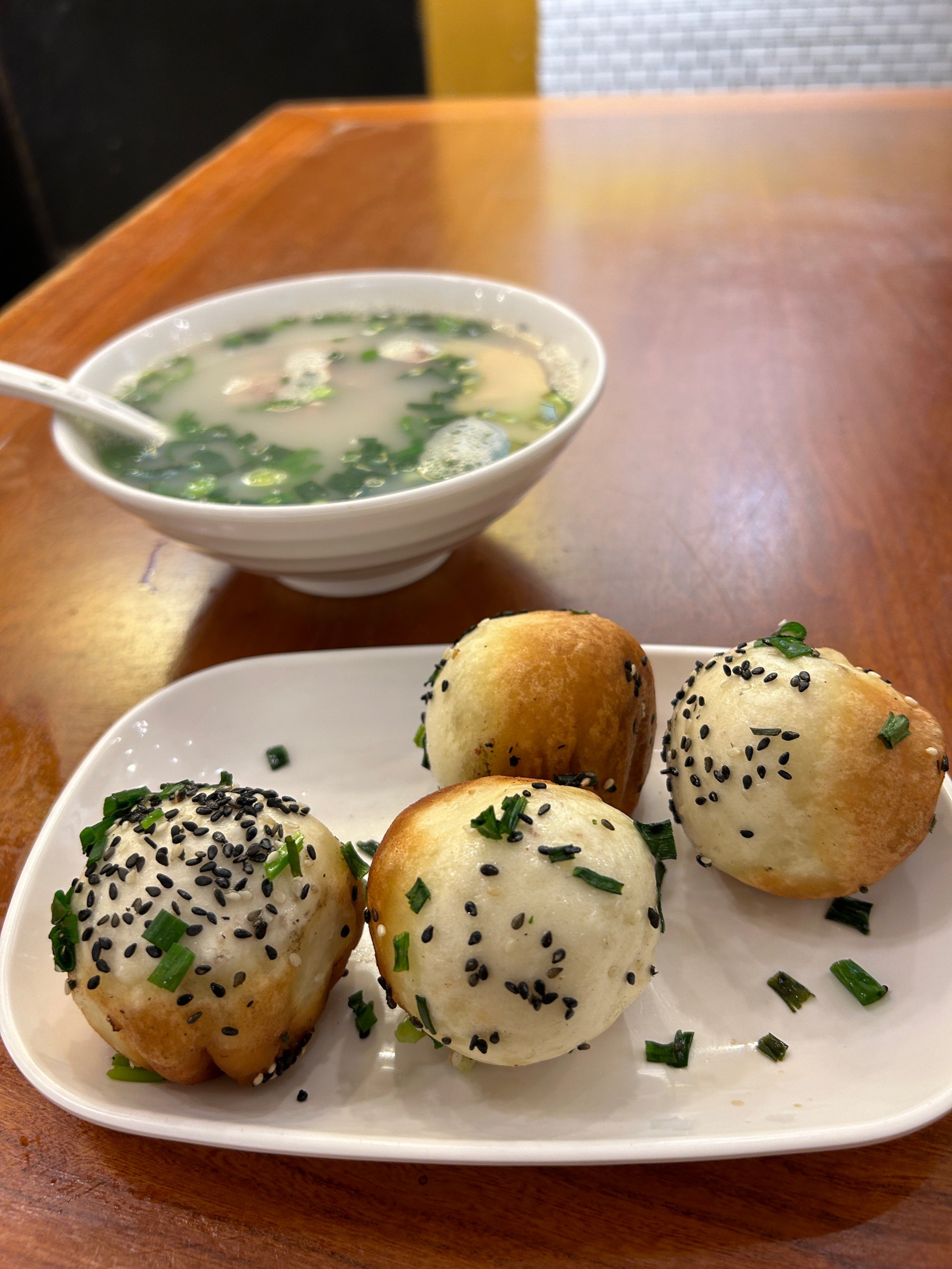
Visitors are often surprised to discover that many people in Shanghai eat soup dumplings early in the morning.
Known as xiaolongbao, these delicate dumplings contain both meat filling and hot broth.
Eating them requires skill.
Bite too quickly and the soup may burn your mouth.
Wait too long and the dumpling cools.
Locals often accompany them with vinegar and ginger.
The experience is as much about technique as flavor.
Shanghai breakfasts also feature fresh tofu dishes, sesame pancakes, and sticky rice rolls wrapped around fried dough.
The variety reflects the city’s history as one of China’s great commercial centers.
Wuhan: The City Obsessed With Noodles
If there is one city where breakfast borders on obsession, it is Wuhan.
The undisputed king of Wuhan breakfast is hot dry noodles.
Known as reganmian, the dish combines wheat noodles with sesame paste, pickled vegetables, garlic, and chili oil.
Unlike soup noodles, the sauce coats the noodles directly.
The result is rich, aromatic, and surprisingly filling.
For many foreigners, the idea of eating a large bowl of spicy noodles before 8 a.m. seems unusual.
For Wuhan residents, it is perfectly normal.
Locals often joke that the city runs on hot dry noodles.
After trying them, many visitors understand why.

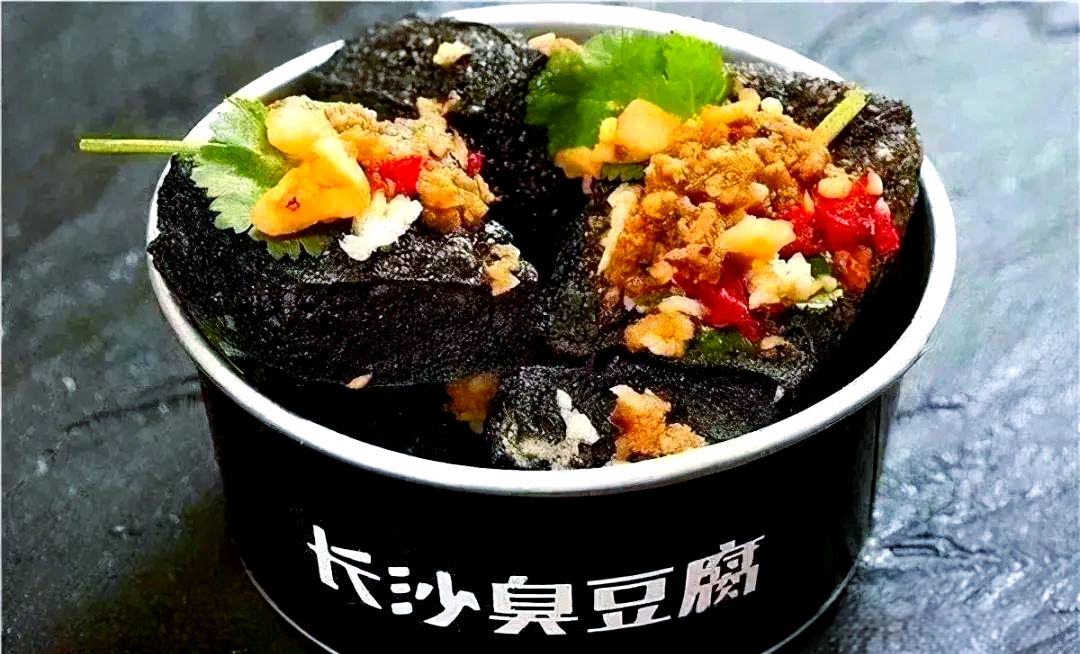
Changsha: Spicy Food Before Sunrise
In much of the world, breakfast tends to be mild.
Changsha, the capital of Hunan Province, disagrees.
This city is famous for its love of chili peppers.
Breakfast often includes rice noodles served in spicy broths.
Pickled vegetables add acidity.
Fresh chilies provide heat.
Even early in the morning, the flavors can be intense.
Foreign visitors frequently find themselves sweating over breakfast.
Yet for locals, spicy food is not merely a preference.
It is a way of life.
The morning meal is no exception.

Guangzhou: Where Breakfast Becomes an Art Form
In southern China, breakfast often evolves into a leisurely social activity.
Nowhere is this more evident than in Guangzhou.
The city is famous for yum cha, which literally means “drink tea.”
Families and friends gather around tables filled with small dishes.
Among the most popular are:
- Shrimp dumplings
- Steamed pork buns
- Rice noodle rolls
- Egg custard tarts
- Sticky rice wrapped in lotus leaves
Rather than rushing through breakfast, people may spend hours talking, drinking tea, and sharing food.
For many visitors, this experience represents one of the highlights of southern Chinese culture.
Xi’an: Breakfast on the Silk Road
Located in northwestern China, Xi’an was once the eastern terminus of the Silk Road.
Its breakfast traditions reflect centuries of cultural exchange.
One popular choice is roujiamo, often described as China’s answer to the hamburger.
Slow-cooked meat is stuffed into freshly baked flatbread.
Simple ingredients combine to create remarkable flavor.
Many locals also enjoy lamb soup, reflecting influences from Muslim communities that have lived in the region for generations.
The result is a breakfast culture unlike that found in eastern China.
Yunnan: Breakfast in the Mountains
Yunnan Province is one of China’s most culturally diverse regions.
Breakfast here often centers around rice noodles.
Perhaps the most famous example is Crossing-the-Bridge Noodles.
Legend tells of a scholar studying on an island while his wife delivered meals.
To keep the soup hot, she covered it with a layer of oil.
The technique worked so well that the dish became famous.
Whether the story is true or not, the noodles remain beloved throughout the province.
The Great Soy Milk Debate
Few breakfast foods are more universally Chinese than soy milk.
Yet even this simple drink reveals regional differences.
In northern China, people often prefer sweet soy milk.
In some southern regions, savory versions are common.
Certain areas add vinegar, pickled vegetables, or even chili oil.
To outsiders, savory soy milk can seem strange.
To locals, it is completely normal.
The debate over the “correct” way to drink soy milk has persisted for decades.
Why Chinese Breakfasts Are Usually Hot
One feature unites many Chinese breakfasts.
They are hot.
Soup.
Porridge.
Fresh noodles.
Steamed buns.
Warm soy milk.
This preference reflects both practical and cultural influences.
Historically, warm foods were believed to support digestion and overall well-being.
Even today, many people feel that a hot breakfast provides more energy than cold alternatives.
For foreigners accustomed to cereal and milk, this can be one of the most noticeable differences.
Breakfast as a Reflection of Geography
China’s breakfast diversity reflects its geography.
Northern regions historically grew wheat.
Southern regions cultivated rice.
Coastal areas incorporated seafood.
Mountain communities relied on local ingredients.
Over centuries, these differences produced distinct breakfast traditions.
What people eat in the morning often reveals more about local history than any museum exhibit.
Food tells stories.
Breakfast tells them every day.
Why Foreign Travelers Are Always Surprised
Many visitors arrive expecting a single Chinese cuisine.
Instead, they discover dozens.
Breakfast is often where this realization first occurs.
A traveler may eat:
- Soup dumplings in Shanghai
- Spicy noodles in Wuhan
- Dim sum in Guangzhou
- Rice noodles in Yunnan
- Jianbing in Beijing
Each meal feels entirely different.
Yet all of them are unmistakably Chinese.
This diversity challenges stereotypes and expands understanding of the country.
Conclusion: There Is No Such Thing as a “Typical” Chinese Breakfast
If there is one lesson to learn from Chinese breakfast culture, it is this:
China cannot be understood through a single dish.
Its breakfast traditions are as diverse as its landscapes, languages, and histories.
From spicy noodles in central China to delicate dim sum in the south, every region has developed its own way of starting the day.
For travelers, breakfast becomes more than a meal.
It becomes a journey through culture.
And perhaps that is why so many visitors leave China with the same realization.
The country’s most surprising discoveries often happen before nine o’clock in the morning.
All you have to do is sit down and eat.