
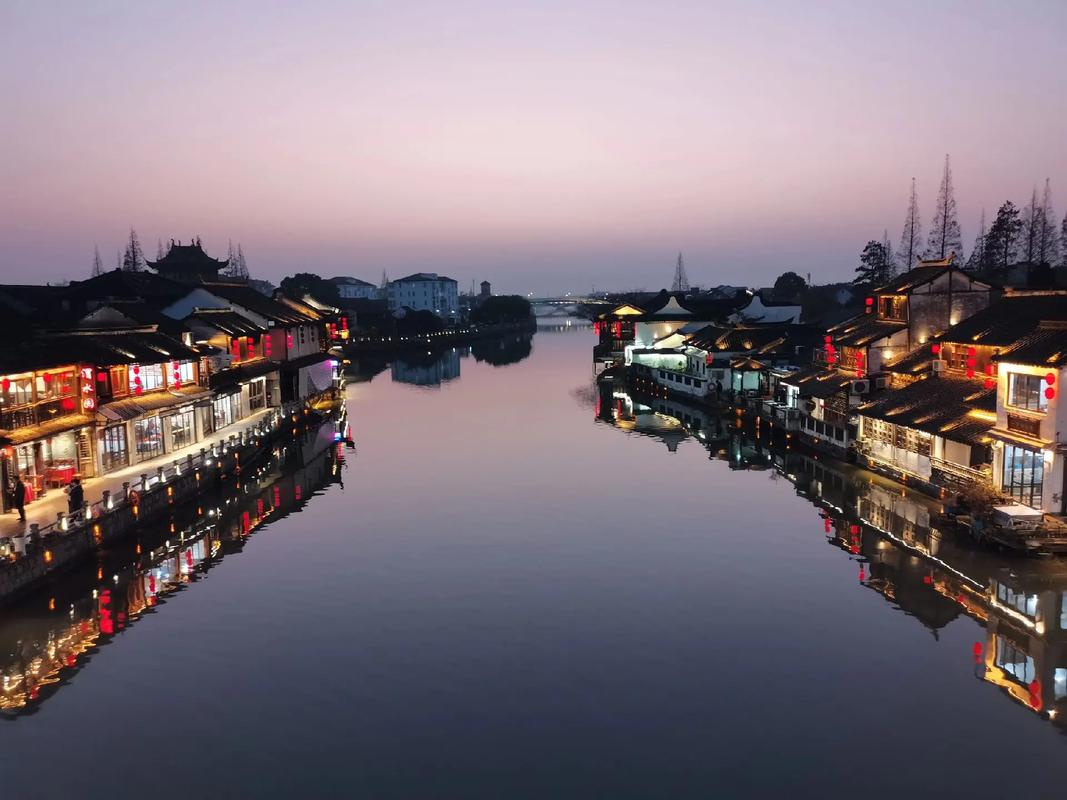
On the outskirts of the bustling city of Shanghai, there lie two shining pearls – Qibao Ancient Town and Zhujiajiao Ancient Town. They carry a profound historical and cultural heritage, like messengers of time, quietly telling the stories of the past and attracting countless tourists to explore the unique charm of the Jiangnan water – towns.
Qibao Ancient Town: A Millennium of Fireworks and Bustling Market
Qibao Ancient Town is located in Minhang District, Shanghai, with a history of a thousand years. Legend has it that the rise of the ancient town is deeply related to Qian Liu, the King of Wuyue. In the early Song Dynasty, Qibao Temple was moved here, and the area gradually became a market town. Later, it was named after the temple. Through the baptism of time, it gradually developed and prospered.
Stepping into Qibao Ancient Town is like traveling back in time to ancient times. The old street consists of the North – South Street and the East – West Street. On both sides of the street are antique buildings with overhanging eaves, black tiles, and white walls. The wooden doors and windows are carved with exquisite patterns, such as flowers, birds, fish, insects, and vivid human stories, showing the superb craftsmanship of ancient artisans.
In terms of food, Qibao Ancient Town can be regarded as a “museum on the tip of the tongue”. Begonia Cake is one of the signature delicacies of the ancient town. It is baked in a special mold with ingredients such as flour, red bean paste, sugar, and oil. It has an attractive color, is sweet and delicious. When it’s hot, taking a bite, the outer skin is crispy, and the inner filling is soft and glutinous. Qibao Mutton is also well – known. It selects high – quality local lake sheep and is cooked using a unique method. The meat is tender, fat but not greasy, and has a rich aroma. Fanggao, with a variety of flavors such as red bean paste, jujube paste, and sesame, has a soft and glutinous texture, sweet but not cloying.
In addition to food, the cultural attractions of the ancient town are also unique. Qibao Jiao Temple has a long history. Inside the temple, the incense is curling up, and the Buddhist chanting is melodious. The solemn atmosphere makes people feel peaceful. The Zhang Chongren Memorial Hall is built in memory of the famous sculptor Zhang Chongren. The museum displays many of his sculptures and introductions to his life, showing the master’s outstanding achievements in the art field.
Zhujiajiao Ancient Town: A Pearl in Jiangnan with a Long – lasting Water Rhyme
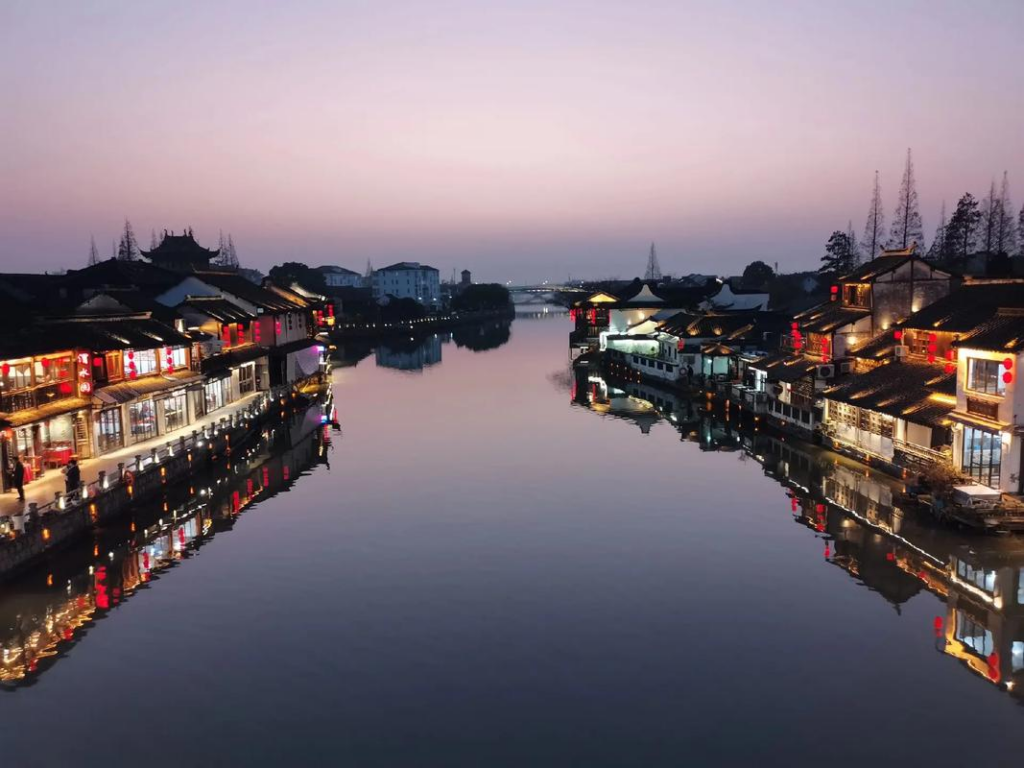
Zhujiajiao Ancient Town is located in Qingpu District, Shanghai, at the junction of Jiangsu, Zhejiang, and Shanghai. It is known as the “Venice of Shanghai” and the “Hollywood of the Suburbs of Shanghai”. As early as the Song and Yuan dynasties, a market had formed here. During the Ming and Qing dynasties, it became prosperous in business and was one of the important commercial centers in Jiangnan.
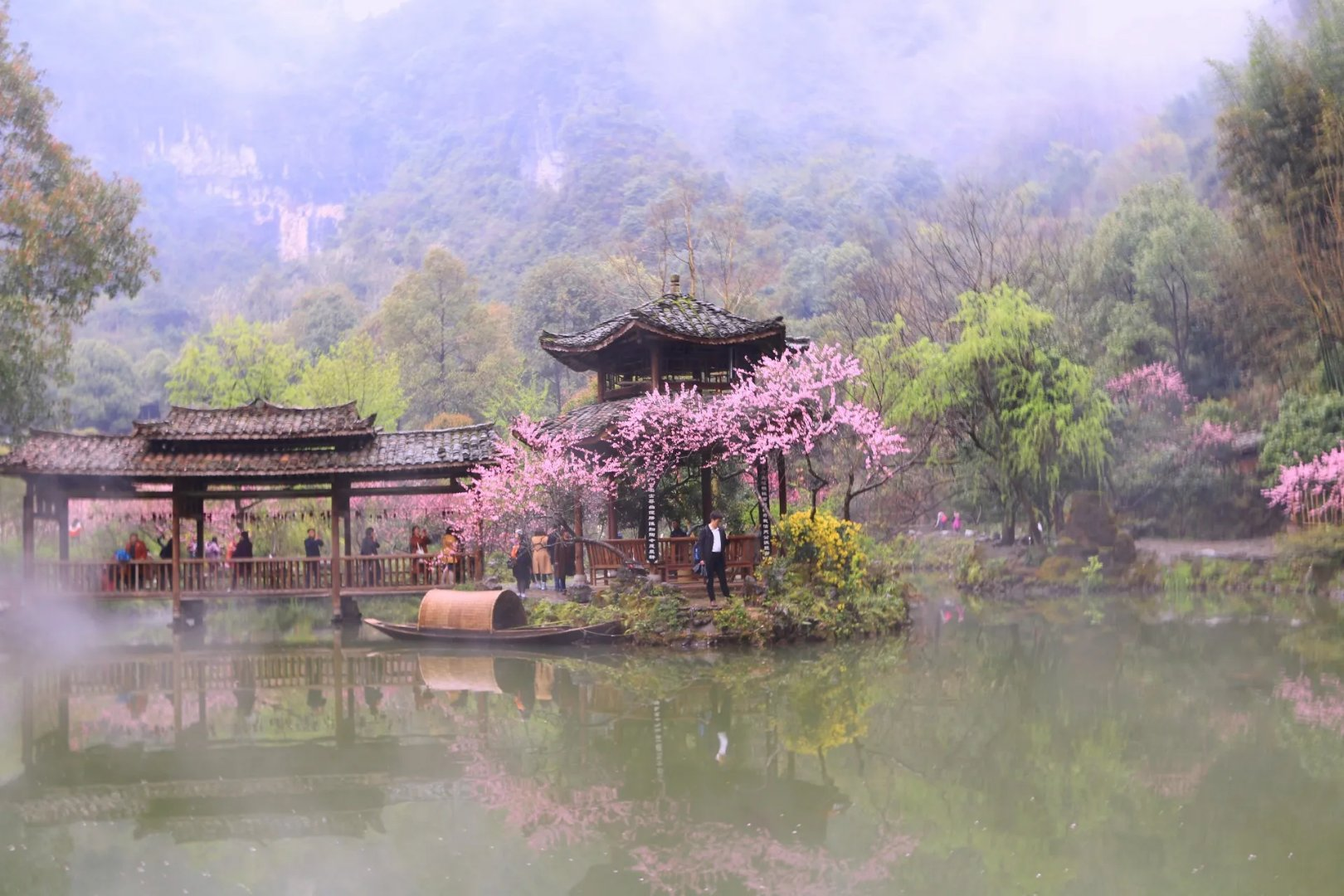
The ancient town is built along the water. Nine old streets are built by the water, and the river channels criss – cross, dividing the ancient town into many small pieces, which are connected by 36 ancient bridges, forming a beautiful picture of “small bridges, flowing water, and local households”. Fangsheng Bridge is a landmark building in Zhujiajiao. It spans across the Caogang River, and the bridge body is like a rainbow lying on the waves, with a magnificent momentum. The bridge was built in the Wanli period of the Ming Dynasty and has been repaired many times. It is still as solid as ever. Walking on the bridge, you can have a panoramic view of the beautiful scenery of the ancient town.
Walking along the stone – paved road, the shops on the street are dazzling. There are not only traditional handicraft shops, such as exquisite Suzhou embroidery and simple bamboo – weaving, but also cafes and bookstores full of literary and artistic flavor. Beidajie is the busiest commercial street in the ancient town, known as “a three – li – long street with thousands of shops”. Tourists can choose various special souvenirs here.
The food in Zhujiajiao is equally mouth – watering. Zharou is a special delicacy in Zhujiajiao. It selects high – quality streaky pork, wraps it with zongye (bamboo leaves), and cooks it with a unique sauce. The meat is soft and tender, fat but not greasy, and the fragrance of zongye blends in, giving it a unique flavor. Grandma’s Zongzi is also a signature of the ancient town. It selects high – quality glutinous rice and fresh zongye, and wraps fat – and – lean pork. The cooked zongzi has an attractive aroma and a soft and glutinous taste.
The cultural landscapes of the ancient town are rich and diverse. Kezhi Garden is a large – scale garden – style manor. Inside the garden, there are pavilions, terraces, towers, and winding paths, combining the delicacy of Jiangnan gardens with the grandeur of northern gardens. The owner, Ma Wenqing, built this garden to fulfill his wish of “not forgetting farming while studying”. Here, tourists can feel a strong cultural atmosphere.
Travel Tips
Transportation
To get to Qibao Ancient Town, you can take Metro Line 9 to Qibao Station and then walk to the destination. Zhujiajiao Ancient Town is also accessible. You can take a tourist shuttle bus at the Shanghai Tourism Distribution Center, or take Metro Line 17 to Zhujiajiao Station and then transfer to a bus or take a taxi.
Best Time to Visit
Spring and autumn are the best times to visit Qibao Ancient Town and Zhujiajiao Ancient Town. The weather is pleasant at this time, and the natural scenery and cultural landscapes of the ancient towns complement each other. Whether you are strolling on the old street or taking a boat tour along the river, you can fully enjoy the charm of the ancient towns.
Qibao Ancient Town and Zhujiajiao Ancient Town, although both are Jiangnan water – towns, have their own characteristics. Qibao Ancient Town attracts tourists with its profound historical heritage and rich market – style food; Zhujiajiao Ancient Town makes people linger with its unique water – town style and numerous cultural landscapes. They are like two thick history books, waiting for tourists to open and appreciate the charm and style within.