

Introduction: The Town That Time Forgot
Imagine a place where wooden houses stand above a quiet river on ancient stilts.
Stone-paved streets wind through narrow alleys.
Lanterns glow softly after sunset.
Traditional boats drift slowly along the water.
For a moment, it feels as though the modern world has disappeared.
This is Fenghuang Ancient Town.
Known in Chinese as Fenghuang Gucheng, or “Phoenix Ancient Town,” it is one of the most beautiful and romantic historic towns in China.
Nestled among the mountains of western Hunan Province, Fenghuang appears almost untouched by time.
While China’s great cities race toward the future with skyscrapers and high-speed railways, Fenghuang offers something entirely different.
It invites visitors to step into the past.
For centuries, merchants, soldiers, poets, scholars, and travelers crossed its bridges and wandered its streets.
Today, visitors from around the world come seeking not only beautiful scenery but also a deeper understanding of traditional China.
What they discover is a town where history, culture, legend, and daily life still coexist.
Why Is It Called Phoenix Ancient Town?
The name “Fenghuang” means phoenix, the mythical bird that occupies an important place in Chinese culture.
Unlike the Western phoenix, which is primarily associated with rebirth through fire, the Chinese phoenix symbolizes:
- Harmony
- Prosperity
- Virtue
- Good fortune
According to local legends, two phoenixes once flew over the surrounding mountains and became enchanted by the beauty of the landscape.
Rather than continue their journey, they chose to remain forever.
The story gave the town its poetic name.
Whether the legend is true or not, many visitors agree with the phoenixes’ decision.
The scenery is unforgettable.
A Strategic Frontier Town
Fenghuang’s beauty often causes visitors to overlook its historical importance.
For centuries, this region occupied a strategic frontier position between different ethnic groups and political territories.
The town developed as:
- A military outpost
- A trading center
- A transportation hub
Its location allowed merchants to exchange goods between mountainous communities and larger cities.
At the same time, soldiers were stationed here to protect important routes.
Because of this history, Fenghuang became a cultural crossroads where different traditions met and influenced one another.
The result was a rich and diverse local identity that remains visible today.
More Than 300 Years of History
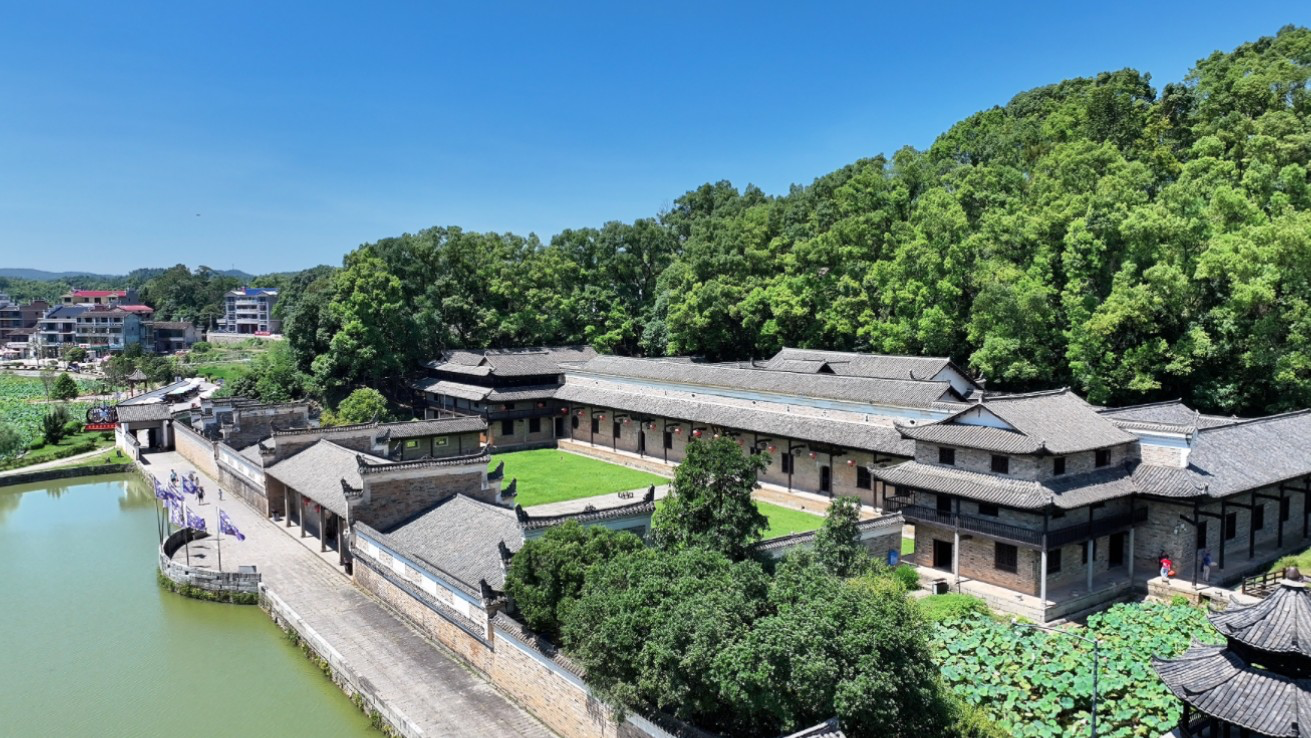
Although settlements existed in the region much earlier, much of the ancient town visible today dates back to the Qing Dynasty.
Many of its most iconic buildings are more than three centuries old.
Walking through Fenghuang feels like entering a living museum.
Visitors encounter:
- Ancient city walls
- Traditional residences
- Historic temples
- Stone bridges
- Old watchtowers
Unlike reconstructed tourist attractions, many structures have been continuously used by local residents for generations.
This authenticity contributes significantly to the town’s charm.
History here feels alive.
The Tuojiang River: The Soul of Fenghuang
If Fenghuang has a heart, it is the Tuojiang River.
The river flows directly through the ancient town, shaping both its appearance and its way of life.
For centuries, local residents depended on the river for:
- Transportation
- Trade
- Fishing
- Agriculture
Today, it remains the town’s most recognizable feature.
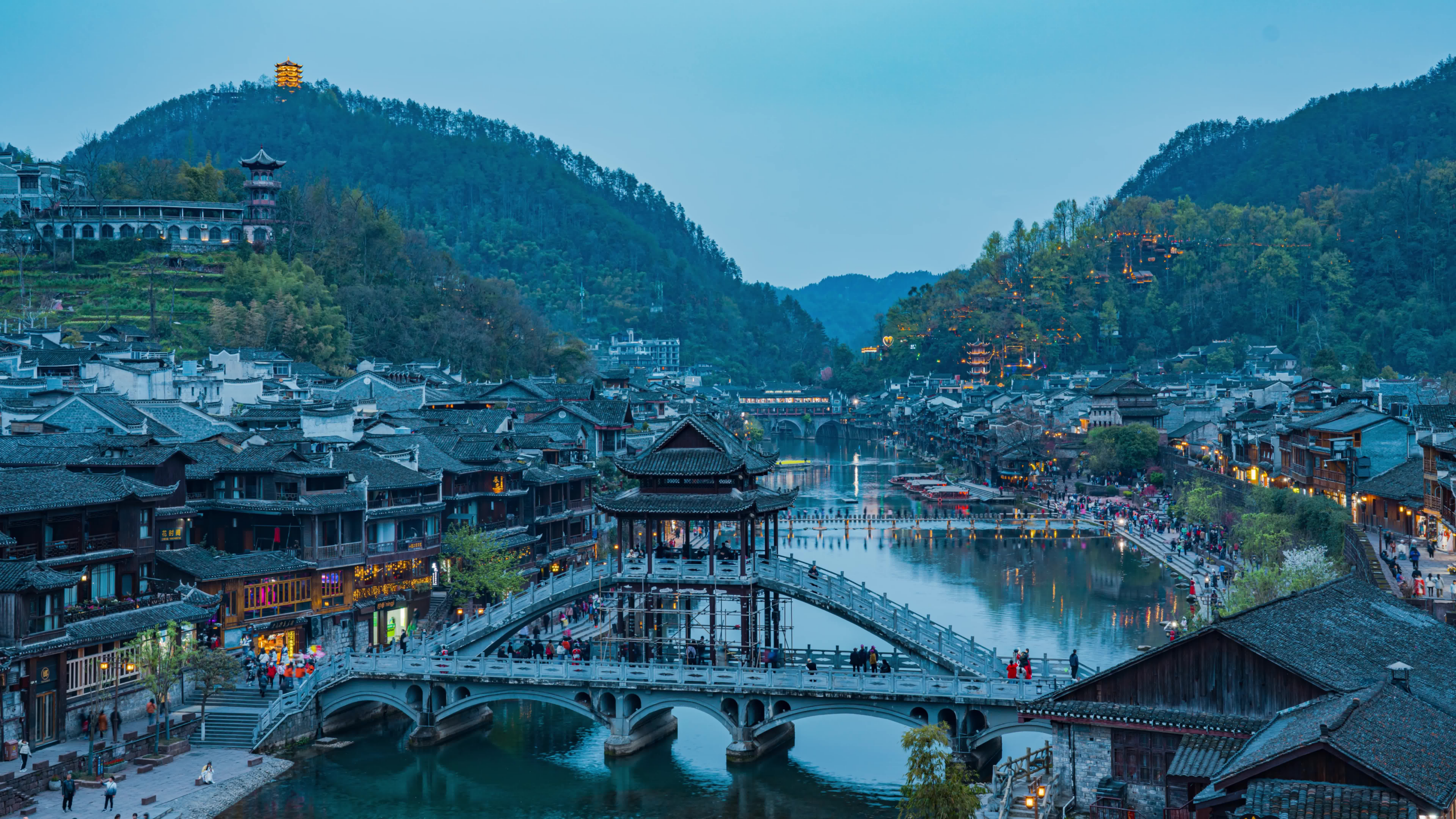
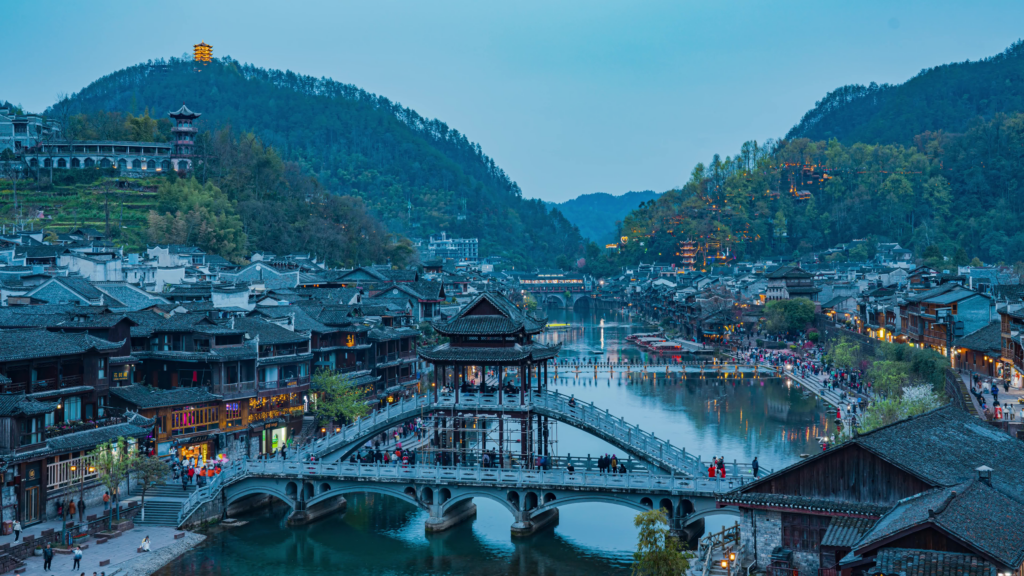
Traditional wooden houses line the riverbanks.
Stone steps descend into the water.
Small boats glide beneath ancient bridges.
The reflections create scenes that seem almost unreal.
Many visitors spend hours simply walking along the river and absorbing the atmosphere.
The Famous Stilt Houses
Among Fenghuang’s most iconic structures are its stilt houses.
Known locally as Diaojiaolou, these wooden buildings extend over the river on elevated supports.
Originally, this design served practical purposes.
It protected homes from flooding while maximizing limited space along the riverbank.
Over time, the houses became a defining architectural feature of the town.
Viewed from the water, their wooden balconies and overhanging roofs create one of China’s most recognizable landscapes.
For photographers, they are irresistible.
One of China’s Most Beautiful Night Views
While Fenghuang is beautiful during the day, many travelers believe its true magic emerges after sunset.
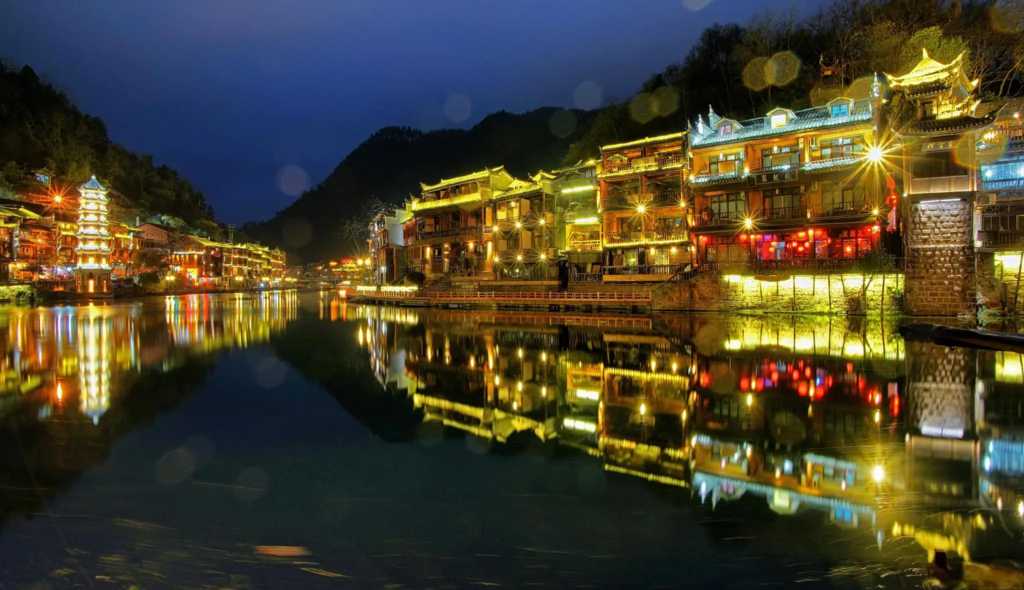
As darkness falls, thousands of lights illuminate the riverside buildings.
Lanterns reflect upon the water.
Bridges glow softly against the night sky.
The atmosphere becomes almost dreamlike.
Unlike the neon skylines of modern Chinese cities, Fenghuang’s nighttime beauty feels intimate and timeless.
Visitors often compare it to scenes from fairy tales.
The town transforms into a world of light, water, and reflection.
The Home of the Miao and Tujia Peoples
One of Fenghuang’s greatest treasures is its cultural diversity.
The region is home to several ethnic minority groups, particularly the Miao and Tujia peoples.
These communities possess unique traditions that differ from mainstream Han Chinese culture.
Visitors may encounter:
- Traditional clothing
- Folk music
- Ancient dances
- Handmade silver jewelry
- Distinctive cuisine
Festivals bring additional color and energy to the town.
For travelers interested in cultural exploration, Fenghuang offers opportunities to experience a side of China often overlooked by international tourism.
The Extraordinary Silver Jewelry Tradition
The Miao people are especially famous for their silver craftsmanship.
In many villages surrounding Fenghuang, artisans continue traditions passed down through generations.
Silver plays an important role in ceremonies and celebrations.
During festivals, women may wear elaborate silver headdresses and ornaments weighing several kilograms.
The intricate designs often represent:
- Family heritage
- Prosperity
- Protection
- Cultural identity
For visitors, these works provide insight into one of China’s most remarkable artistic traditions.
Shen Congwen and the Literary Legacy of Fenghuang
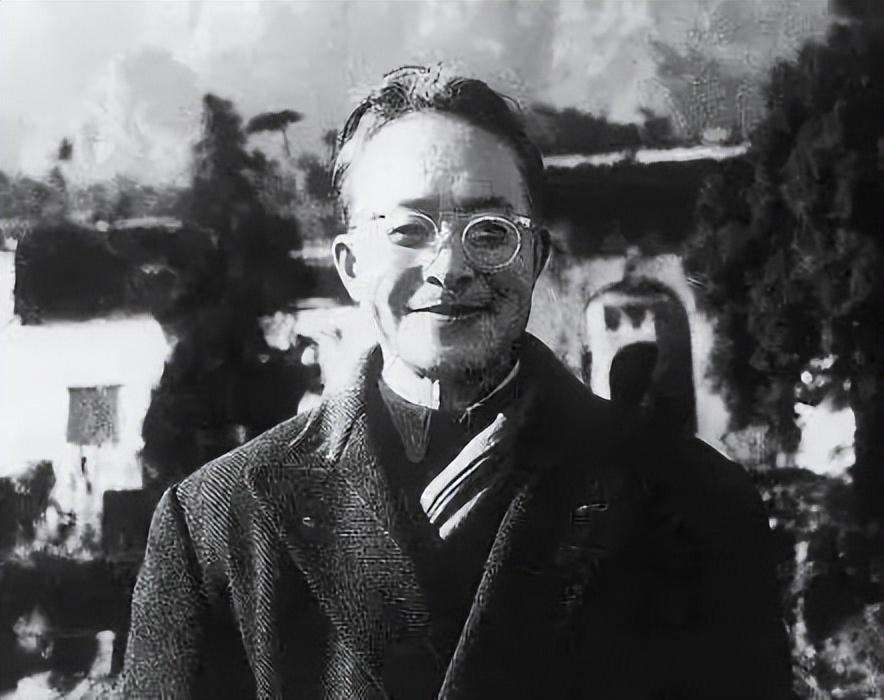
Few individuals shaped Fenghuang’s reputation more than Shen Congwen.
Born in the town in 1902, he became one of China’s most celebrated writers.
His most famous work, Border Town, introduced readers to the beauty and humanity of western Hunan.
Through his writing, Fenghuang became known far beyond the region.
Many visitors arrive after encountering his descriptions of rivers, mountains, and local life.
Today, his former residence remains one of the town’s most popular cultural sites.
For literature enthusiasts, Fenghuang is more than a destination—it is a place where stories came to life.
A Town of Bridges
Bridges are woven into the identity of Fenghuang.
Each serves not only as infrastructure but also as a symbol of connection.
The most famous include:
Hong Bridge
One of the town’s most recognizable landmarks.
Its traditional architecture makes it especially photogenic.
Stone Arch Bridges
Elegant structures that have linked neighborhoods for centuries.
Stepping-Stone Crossings
Simple yet charming pathways that allow pedestrians to walk directly across sections of the river.
Together, these crossings contribute to the town’s distinctive character.
The Slow Pace of Life
Perhaps the greatest appeal of Fenghuang is its atmosphere.
Modern life often feels rushed.
Fenghuang feels different.
People sit beside the river.
Tea is enjoyed slowly.
Conversations continue without urgency.
The town encourages visitors to slow down and appreciate simple moments.
This quality is increasingly rare in today’s world.
For many travelers, it becomes the most memorable aspect of the experience.
Why Foreign Travelers Fall in Love With Fenghuang
Unlike Beijing’s imperial grandeur or Shanghai’s futuristic skyline, Fenghuang offers intimacy.
Visitors connect with:
- Human-scale streets
- Traditional architecture
- Local communities
- Natural beauty
The town feels approachable.
It invites exploration.
Every alley seems to hide another discovery.
Every riverside walk reveals a new perspective.
For many international travelers, Fenghuang represents the romantic image of China they had always imagined but rarely found elsewhere.
Best Time to Visit
Spring (March–May)
Comfortable weather and fresh greenery create ideal sightseeing conditions.
Summer (June–August)
The river scenery becomes vibrant, though visitor numbers increase.
Autumn (September–November)
Often considered the best season.
Pleasant temperatures and clear skies enhance photography.
Winter (December–February)
Misty mornings create a mysterious atmosphere and fewer tourists mean a more peaceful experience.
Why Fenghuang Matters
Fenghuang is more than a beautiful tourist destination.
It preserves a way of life that has largely disappeared elsewhere.
Its streets tell stories of:
- Trade
- Migration
- Cultural exchange
- Family traditions
- Artistic expression
In a rapidly changing country, Fenghuang offers continuity.
It reminds visitors that China’s identity extends far beyond its modern cities.
The past remains visible here.
Not as a museum exhibit, but as a living reality.
Conclusion: A Place Between History and Dream
There are many ancient towns in China.
Some are larger.
Some are wealthier.
Some attract more visitors.
Yet few possess the atmosphere of Fenghuang.
Its rivers, bridges, stilt houses, and mountain scenery combine to create something truly special.
The town exists somewhere between history and dream.
Between reality and legend.
For travelers seeking a deeper, more personal connection with China, Fenghuang offers an experience that lingers long after the journey ends.
Perhaps that is why so many visitors leave with the same feeling.
They came to see an ancient town.
They left having discovered a different rhythm of life.
And in a world that rarely slows down, that may be the greatest treasure of all.