


Introduction: The First Cultural Shock Many Foreigners Experience in China
Imagine you arrive in China for the first time.
You check into your hotel.
After a long flight, you want a glass of ice water.
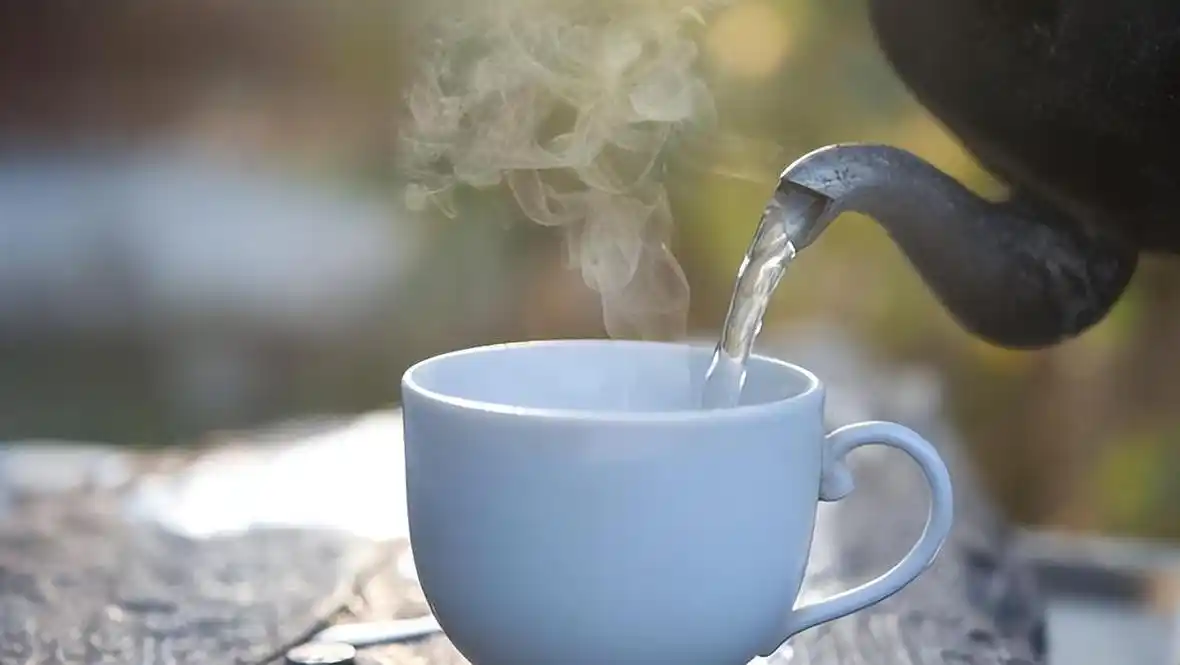
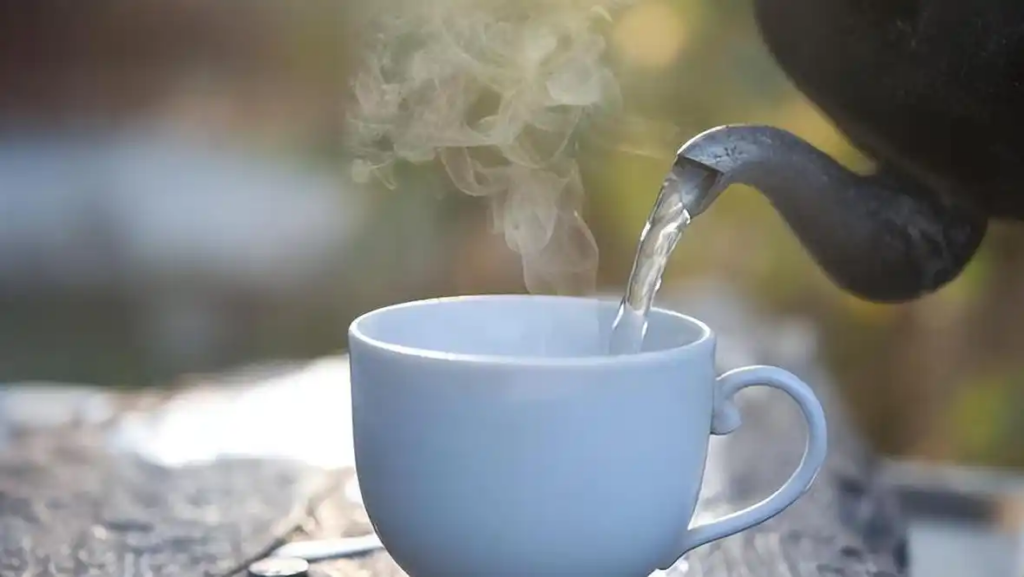
Instead, you find a kettle.
The restaurant serves warm tea.
The office provides hot water dispensers.
The train offers free boiling water.
Even hospitals encourage warm drinks.
Confused, you ask a Chinese friend:
“Why does everyone drink hot water?”
The answer is usually simple:
“Because it’s good for you.”
For many foreigners, this explanation creates even more questions.
How can hot water be healthier than cold water?
Why is it so common?
Is it based on science?
Tradition?
Habit?
The reality is far more fascinating than most people imagine.
Drinking hot water is not simply a personal preference in China.
It is a cultural practice shaped by thousands of years of history, traditional medicine, public health campaigns, and social habits.
Understanding this custom offers a unique window into Chinese society.
A Nation United by Hot Water
China is incredibly diverse.
People speak different dialects.
They eat different foods.
They celebrate different local traditions.
Yet one habit is remarkably consistent across the country.
People drink hot water.
You will find it in:
- Homes
- Schools
- Offices
- Trains
- Airports
- Hospitals
- Hotels
Many Chinese people carry insulated bottles throughout the day.
Some refill them repeatedly.
Others never leave home without them.
To many foreigners, this behavior seems unusual.
To most Chinese people, it feels completely normal.
The Historical Reason: Safe Water Was Never Guaranteed
One of the most practical explanations comes from history.
For much of human civilization, drinking untreated water was dangerous.
Rivers, wells, and ponds often contained harmful bacteria and parasites.
Boiling water helped eliminate many of these risks.
Long before modern water treatment systems existed, people learned through experience that boiled water was safer.
Over time, boiling became a habit.
What began as a practical survival strategy eventually became part of daily culture.
Even after modern sanitation improved, the habit remained.
In many ways, China’s hot water tradition reflects centuries of accumulated experience.
The Influence of Traditional Chinese Medicine
Another important factor is traditional Chinese medicine, often abbreviated as TCM.
For thousands of years, Chinese medical theories emphasized balance within the body.
According to traditional concepts, health depends upon maintaining harmony between opposing forces.
Food and beverages are often classified according to their energetic properties.
Some are considered “warming.”
Others are considered “cooling.”
Cold water is often viewed as potentially disruptive to digestion, particularly when consumed in large amounts.
Warm water, by contrast, is believed to support the body’s natural balance.
Whether one agrees with these theories or not, their influence on Chinese culture remains profound.
Many people grow up hearing such ideas from parents and grandparents.
“Don’t Drink Cold Water”
Perhaps the most common phrase foreign residents hear in China is:
“Don’t drink cold water.”
The advice appears in countless situations.
Feeling tired?
Drink hot water.
Have a headache?
Drink hot water.
Caught a cold?
Drink hot water.
Stomach discomfort?
Drink hot water.
This has become something of a cultural joke among expatriates.
Many foreigners laugh about receiving the same recommendation for almost every problem.
Yet behind the humor lies a genuine belief that warm water promotes comfort and recovery.
For millions of Chinese people, it is simply common sense.
Why Ice Water Feels Strange to Many Chinese People
In countries like the United States, restaurants routinely serve ice water.
In China, this practice is much less common.
Many Chinese people find large quantities of ice water uncomfortable.
Some describe it as shocking to the stomach.
Others believe it interferes with digestion.
As a result, room-temperature or warm drinks are often preferred.
Foreign visitors frequently notice this difference immediately.
A Chinese guest in an American restaurant may be surprised by the amount of ice.
An American visitor in China may be surprised by the lack of it.
These contrasting expectations highlight how cultural norms shape everyday experiences.
Hot Water and Chinese Family Life
The hot water habit often begins in childhood.
Many Chinese children grow up hearing advice such as:
- Drink warm water before school.
- Drink warm water when you’re sick.
- Drink warm water before bed.
Parents and grandparents reinforce these routines.
Over time, the behavior becomes automatic.
It is not merely about hydration.
It becomes associated with care, comfort, and well-being.
For many Chinese people, offering someone hot water is an act of hospitality.
It communicates concern and kindness.
The Thermos Culture
One of the most recognizable symbols of Chinese daily life is the thermos.
For decades, insulated flasks have been a common sight.
Workers carry them.
Students carry them.
Retirees carry them.
Inside is usually:
- Hot water
- Tea
- Herbal drinks
The thermos represents practicality.
Rather than purchasing beverages throughout the day, people simply refill their containers.
Even as modern lifestyles evolve, the thermos remains remarkably popular.
It has become part of the cultural landscape.
Why Trains Always Provide Hot Water
Many foreign travelers are surprised to discover that Chinese trains typically provide free hot water.
This service reflects both practicality and culture.
Passengers use hot water to prepare:
- Tea
- Instant noodles
- Coffee
- Other beverages
The availability of hot water is considered a basic convenience.
In many countries, free boiling water on public transportation would seem unusual.
In China, it is expected.
The system reflects how deeply hot water is integrated into everyday life.
The Relationship Between Tea and Hot Water
China’s hot water culture cannot be separated from tea culture.
Tea has been consumed in China for thousands of years.
Because tea requires hot water, boiling water became a routine part of daily life.
Over centuries, tea drinking helped normalize the habit of consuming warm beverages.
Even people who do not drink tea regularly often continue the broader practice of drinking hot water.
The two traditions evolved together.
What Does Modern Science Say?
Scientific research supports some benefits of drinking warm water.
Warm liquids may:
- Provide comfort
- Help soothe sore throats
- Improve hydration
- Promote relaxation
However, modern medicine generally does not support the idea that hot water is a cure for every health problem.
Many claimed benefits remain based on tradition rather than scientific evidence.
Still, cultural practices do not always persist because of science alone.
They often survive because they provide comfort, familiarity, and a sense of continuity.
Hot water culture is a perfect example.
Why Foreigners Often Change Their Habits
Many expatriates initially resist the idea of drinking hot water.
They miss cold beverages.
They find warm water unusual.
Yet something interesting often happens.
After months or years in China, many adopt the habit themselves.
Some appreciate drinking warm water during winter.
Others find it comforting when feeling unwell.
Still others simply become accustomed to the practice.
The cultural habit gradually becomes part of their routine.
Not everyone converts.
But many do.
A Symbol of Chinese Thinking
At a deeper level, hot water reflects broader aspects of Chinese culture.
Chinese traditions often emphasize:
- Prevention rather than treatment
- Balance rather than extremes
- Daily habits rather than dramatic interventions
Drinking hot water fits naturally within this worldview.
It represents small, consistent actions believed to contribute to long-term well-being.
Whether the benefits are physical, psychological, or cultural, the habit remains meaningful.
Why This Simple Habit Fascinates Foreigners
Part of the fascination comes from its simplicity.
Hot water is ordinary.
Yet it reveals profound cultural differences.
A single glass of water can spark discussions about:
- History
- Medicine
- Family traditions
- Public health
- Cultural identity
That is why so many foreigners remember the experience.
What begins as confusion often becomes curiosity.
And curiosity leads to understanding.
Common Myths About Chinese Hot Water Culture
Myth 1: Chinese People Never Drink Cold Water
Not true.
Many people enjoy cold beverages, especially younger generations.
However, warm water remains widely preferred.
Myth 2: Everyone Believes Hot Water Cures Everything
Not exactly.
Many people recognize its limits.
The habit is often more about comfort than miraculous healing.
Myth 3: This Tradition Is Disappearing
While lifestyles are changing, hot water culture remains remarkably resilient.
Even among younger generations, insulated bottles remain common.
Conclusion: More Than Just Water
To outsiders, China’s love of hot water may seem puzzling.
But beneath this simple habit lies a story that stretches across centuries.
It is a story of:
- Ancient public health practices
- Traditional medicine
- Family traditions
- Cultural values
- Everyday comfort
Drinking hot water is not merely about hydration.
It is about how people understand health, care for family members, and connect with their cultural heritage.
For travelers seeking to understand China, this small detail offers a surprisingly powerful lesson.
Sometimes the most revealing aspects of a culture are not found in famous landmarks or grand historical events.
Sometimes they are found in something as simple as a cup of warm water.
And in China, that cup tells a story thousands of years old.