


Introduction: One Person’s Delicacy Is Another Person’s Nightmare
Imagine opening a black egg that looks like it has gone bad.
Or smelling a snack so pungent that some people compare it to garbage, yet thousands line up to buy it every day.
Or sitting down to dinner and being served chicken feet, duck tongues, or pig brains.
For many foreigners, these foods seem shocking.
Some refuse to try them.
Others take photographs before daring to take a bite.
Yet for millions of Chinese people, these dishes are not strange at all.
They are beloved parts of everyday cuisine.
The truth is that “weird food” is largely a matter of perspective.
French people eat snails.
Scandinavians eat fermented fish.
Americans eat peanut butter and jelly sandwiches.
Every culture has foods that outsiders find unusual.
China simply happens to have a particularly rich and diverse culinary tradition.
And because China is so large and culturally varied, some of its most fascinating foods can seem almost unbelievable to first-time visitors.
So let’s explore the dishes that confuse, surprise, and occasionally terrify foreigners—but continue to delight generations of Chinese diners.
Why Chinese Cuisine Includes So Many Unusual Foods
Before examining specific dishes, it’s important to understand a fundamental aspect of Chinese food culture.
Historically, much of China experienced periods of scarcity.
People learned to maximize every available ingredient.
Nothing was wasted.
Animals were often used completely.
Different cooking methods evolved to preserve food, improve flavor, and stretch limited resources.
Over centuries, these practical solutions became culinary traditions.
Many foods that seem unusual today were originally created out of necessity.
Eventually, they became cultural treasures.
1. Century Eggs: The Egg That Looks Like It Came From Another Planet
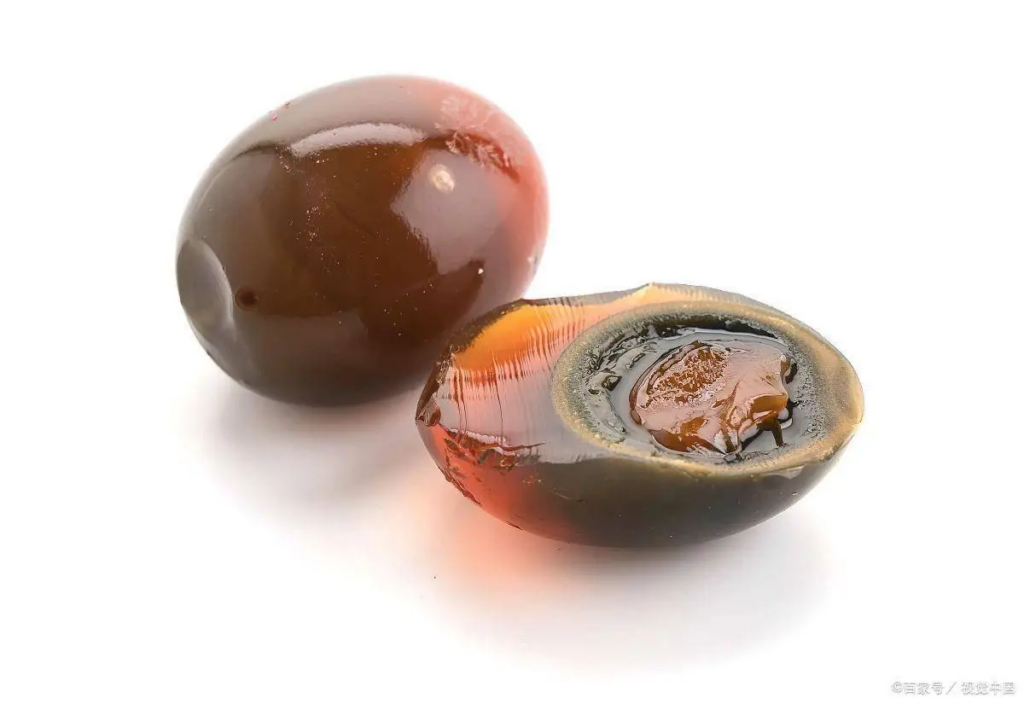
Few Chinese foods confuse foreigners more than century eggs.
Despite the name, they are not actually one hundred years old.
Century eggs are preserved for weeks or months using traditional methods.
The process transforms the egg dramatically.
The yolk becomes creamy and dark.
The egg white turns translucent and amber-colored.
To first-time observers, the egg often appears spoiled.
Yet the flavor is surprisingly complex.
Many people describe it as rich, savory, and slightly creamy.
In China, century eggs are commonly served with tofu, porridge, or cold appetizers.
For many foreigners, appearance is the biggest challenge.
Once they overcome that hurdle, some become enthusiastic fans.
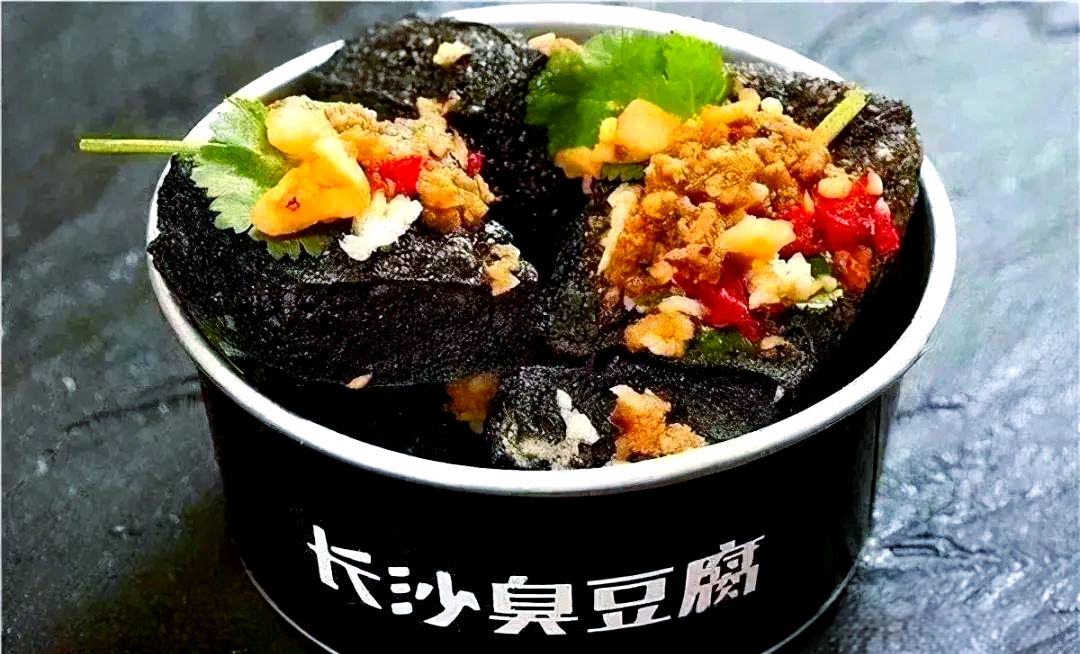
2. Stinky Tofu: The Smell That Stops Traffic
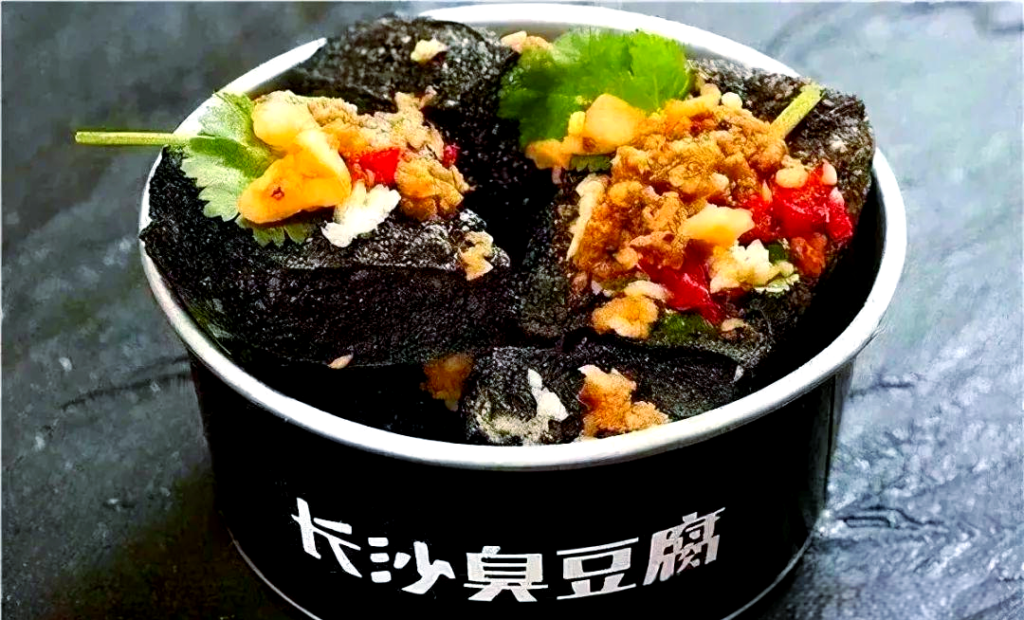
If there were an international competition for the strongest-smelling street food, stinky tofu would be a serious contender.
This fermented tofu is famous for its powerful aroma.
Critics compare the smell to:
- Garbage
- Rotten cheese
- Sewage
- Dirty socks
Fans insist these descriptions are unfair.
Because despite the smell, the taste is often delicious.
The exterior becomes crispy when fried.
The interior remains soft and creamy.
Served with chili sauce, pickled vegetables, or garlic, stinky tofu is one of China’s most iconic street foods.
The common joke is simple:
“It smells terrible, but tastes wonderful.”
3. Chicken Feet: One of China’s Most Popular Snacks
In many Western countries, chicken feet are discarded.
In China, they are a delicacy.
Chicken feet contain little meat.
Instead, people enjoy them for their texture.
They are commonly:
- Braised
- Steamed
- Pickled
- Spicy
Eating chicken feet requires patience and skill.
The reward comes from savoring the skin, tendons, and sauces.
Dim sum restaurants throughout southern China frequently serve them.
For locals, they are completely normal.
For many foreigners, they are unforgettable.

4. Duck Tongues: Small but Surprisingly Popular
The first reaction many visitors have when encountering duck tongues is disbelief.
People actually eat these?
Yes.
And quite enthusiastically.
Duck tongues are often marinated, braised, or served as snacks.
The texture is unique.
The flavor is rich and savory.
Because each duck provides only one tongue, the dish can even be considered a luxury item.
What appears strange to outsiders often carries prestige within local culinary culture.

5. Pig Brains: The Ultimate Test of Courage
Among all unusual Chinese foods, pig brains may be one of the most intimidating.
Their appearance alone can make some diners uncomfortable.
Yet in regions such as Sichuan and Chongqing, pig brains are highly valued.
They are commonly cooked in:
- Hot pot
- Spicy broths
- Grilled dishes
The texture is often compared to soft tofu or custard.
Those willing to try it frequently discover that the flavor is much milder than expected.

6. Hairy Tofu: The Food Covered in Mold
At first glance, hairy tofu appears inedible.
The surface is covered with white fuzzy mold.
Most people would instinctively throw it away.
But this mold is intentional.
The fermentation process creates distinctive flavors and aromas.
When cooked properly, hairy tofu develops a crispy exterior and a rich interior.
It remains particularly popular in parts of Anhui Province.
For adventurous eaters, it represents one of China’s most fascinating fermented foods.

7. Blood Tofu: A Dish That Surprises Many Visitors
Blood tofu is made from coagulated animal blood, often duck or pig blood.
The result resembles dark-colored tofu.
It is commonly added to soups, hot pots, and stews.
While the concept may sound unusual, blood-based dishes exist in many cultures around the world.
In China, they are appreciated for their smooth texture and ability to absorb flavors from surrounding ingredients.

8. Silkworm Pupae: A Snack with Ancient Roots
Silkworms played a critical role in Chinese history.
Without them, there would have been no silk.
After silk production, the pupae remain.
Rather than wasting them, people discovered they were edible.
Today, silkworm pupae are consumed in various regions.
They are often:
- Fried
- Roasted
- Seasoned with spices
The texture can be crunchy on the outside and soft inside.
For many foreigners, this is where culinary adventure becomes a true challenge.

9. Sea Cucumber: The Luxury That Looks Like Nothing Else
Sea cucumbers are among the most prized ingredients in Chinese cuisine.
Their appearance, however, often surprises visitors.
They resemble dark, soft tubes found on the ocean floor.
Despite their unremarkable appearance, they are considered a delicacy.
Preparation requires significant skill.
The final texture is unique and highly valued.
Sea cucumbers frequently appear at banquets and celebratory meals.

10. Jellyfish Salad: Crunchy from the Sea
Most people think of jellyfish as something to avoid while swimming.
In China, certain species are transformed into elegant cold dishes.
After processing, jellyfish develops a crisp texture unlike almost any other seafood.
Served with vinegar, sesame oil, and vegetables, it is refreshing and surprisingly delicate.
Many visitors are shocked to discover they actually enjoy it.

11. Frog Legs: More Common Than Many Realize
Although often associated with French cuisine, frog legs are also eaten in parts of China.
Particularly popular in southern regions, they are valued for their tender texture.
Many diners compare them to chicken.
Spicy frog dishes have become especially popular in recent decades.

12. Turtle Soup: A Dish with a Long History
For centuries, turtle soup appeared in traditional Chinese cuisine.
Historically, it was associated with special occasions and believed by some to possess health benefits.
Today, consumption has declined considerably due to conservation awareness and changing dietary habits.
However, its historical significance remains noteworthy.

13. Fermented Bean Curd: China’s “Cheese”
China has never had a strong cheese tradition like Europe.
Instead, fermented bean curd occupies a somewhat similar cultural space.
Its flavor can be intense.
Its aroma can be strong.
Some varieties are creamy.
Others are spicy.
Many foreigners compare it to blue cheese.
People often love it or hate it.
Rarely is there a middle ground.
14. Snake Soup: A Traditional Southern Specialty
In parts of southern China, snake has historically been used in soups and stews.
The meat is lean and delicate.
The dish is often associated with colder months.
Although less common today than in previous generations, it remains part of the culinary heritage of certain regions.

15. The Famous Mystery of “Everything Is Edible”
One stereotype often repeated outside China is that Chinese people eat absolutely everything.
Like most stereotypes, this is an exaggeration.
China’s cuisine is indeed extraordinarily diverse.
However, food preferences vary enormously between regions.
Many Chinese people have never eaten some of the foods listed above.
Others avoid them entirely.
There is no single Chinese diet.
What seems normal in one province may seem unusual in another.
Why Foreigners Are Fascinated by These Foods
Part of the fascination comes from unfamiliarity.
These dishes challenge assumptions about what food should look like.
They encourage people to question their own cultural expectations.
Many travelers arrive expecting fried rice and sweet-and-sour chicken.
Instead, they encounter thousands of years of culinary history.
The experience can be surprising, educational, and sometimes life-changing.
Food becomes a gateway to understanding culture.
What These Foods Reveal About China
These unusual dishes tell us several important things.
They reflect:
- Resourcefulness
- Regional diversity
- Historical adaptation
- Culinary creativity
- Cultural continuity
What may appear bizarre at first often has deep historical roots.
Many dishes survived because generations genuinely enjoyed them.
They are not culinary curiosities.
They are living traditions.
Conclusion: Strange Is Relative
The next time you encounter a century egg, chicken foot, or piece of stinky tofu, remember this:
Food is one of the most powerful expressions of culture.
What seems strange in one society may be completely ordinary in another.
China’s most unusual foods challenge us to think differently.
They remind us that culinary traditions are shaped by history, geography, necessity, and imagination.
And perhaps that is why so many adventurous travelers eventually discover an unexpected truth.
The foods they feared the most often become the foods they remember the longest.
Because in China, some of the strangest dishes tell the most fascinating stories.