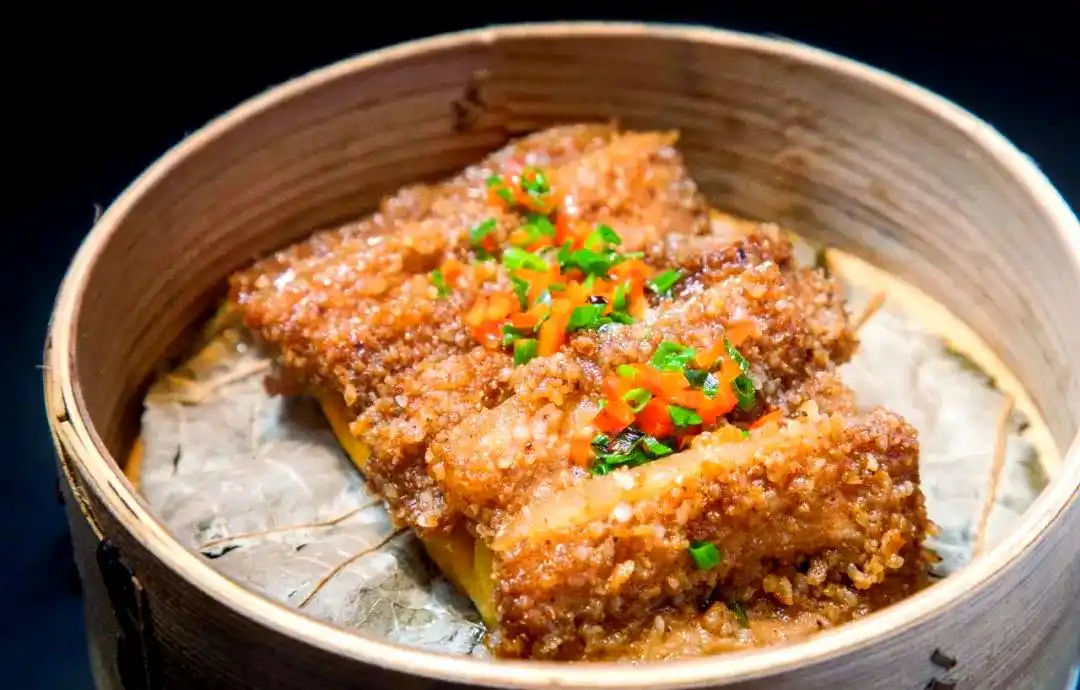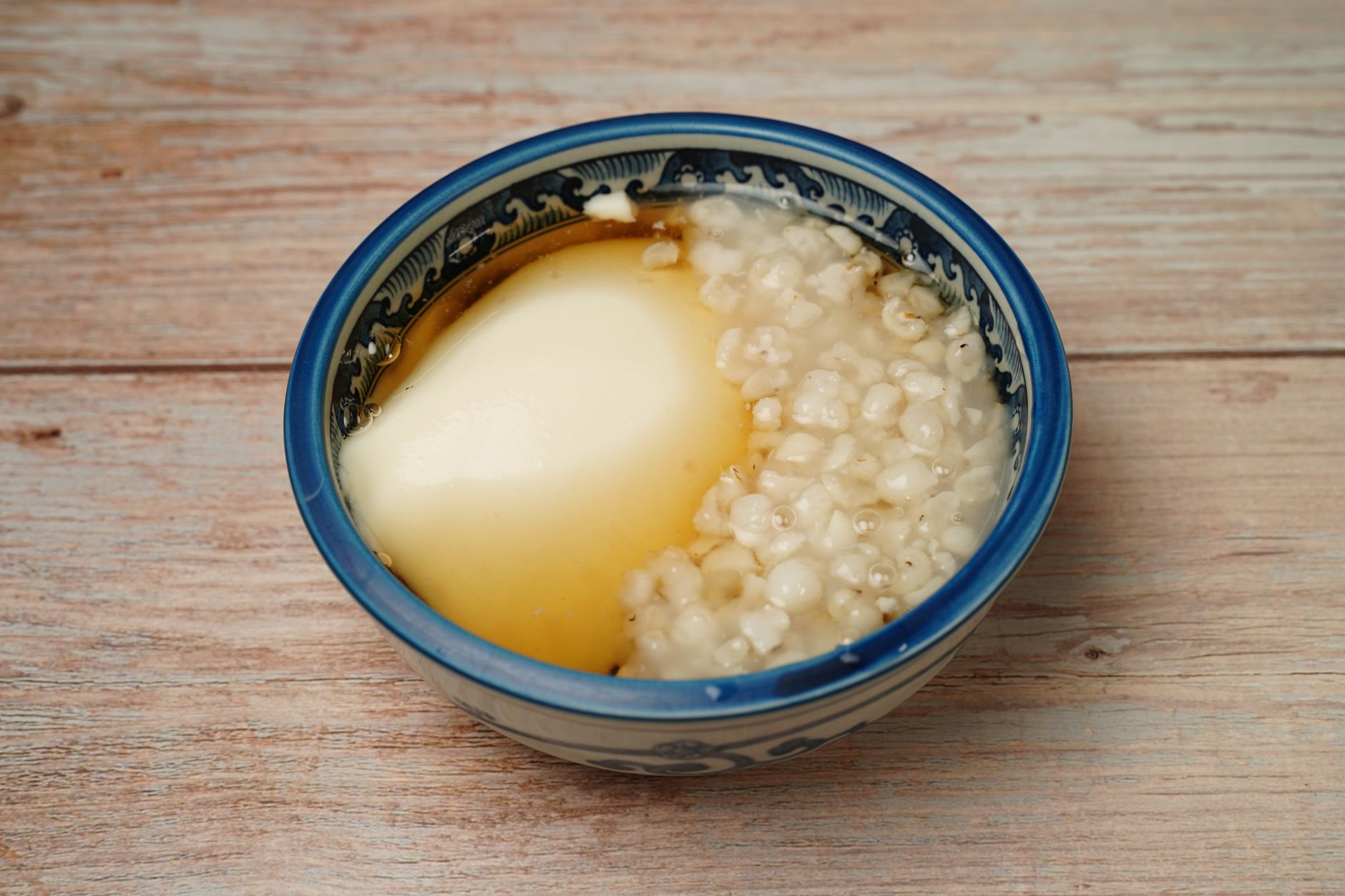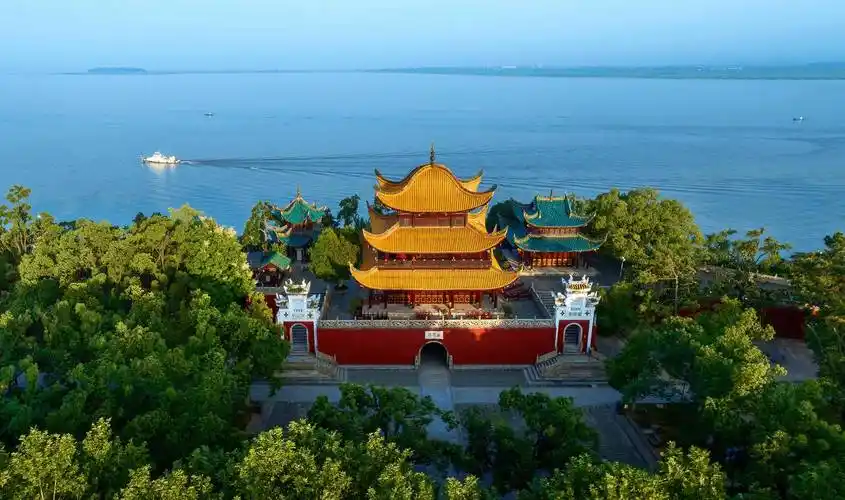



Zhangjiajie, renowned worldwide for its unique peaks, strange rocks, deep valleys, not only boasts breathtaking natural scenery but also has a charming culinary scene. The local specialties, each bite is filled with the local customs and traditions, which are an essential part of tourists’ experience in Zhangjiajie. Now, let’s embark on this gastronomic journey on the tongue in Zhangjiajie.
Tujia Sanxiaguo
Tujia Sanxiaguo is undoubtedly the “top dish” of Zhangjiajie cuisine. It originated from the Tujia people’s practice of cooking game quickly after a hunting trip. The traditional way is to stew bacon, tofu, and radish together. Nowadays, it usually uses three (or more) main ingredients such as pig intestines, pig stomach, beef tripe, lamb tripe, pig’s trotters, or pig head meat, paired with ingredients like potatoes, dried string beans, fungus, and Zhangguan He Cai. When cooking, first stir – fry the main ingredients until oil comes out, then add various side dishes and high – stock, and simmer over high heat. The cooked Sanxiaguo has an attractive color and a pleasant aroma. The bacon is not greasy, the pig stomach is crispy and tender, the potatoes absorb the meat flavor and are soft and tasty, and the dried string beans add a unique chewy texture and rich flavor. When eating, paired with a bowl of hot rice, it’s really satisfying. You can find this dish in almost every restaurant in the streets and alleys of Zhangjiajie. The average cost per person is about 30 – 50 yuan, and you can have a great meal.
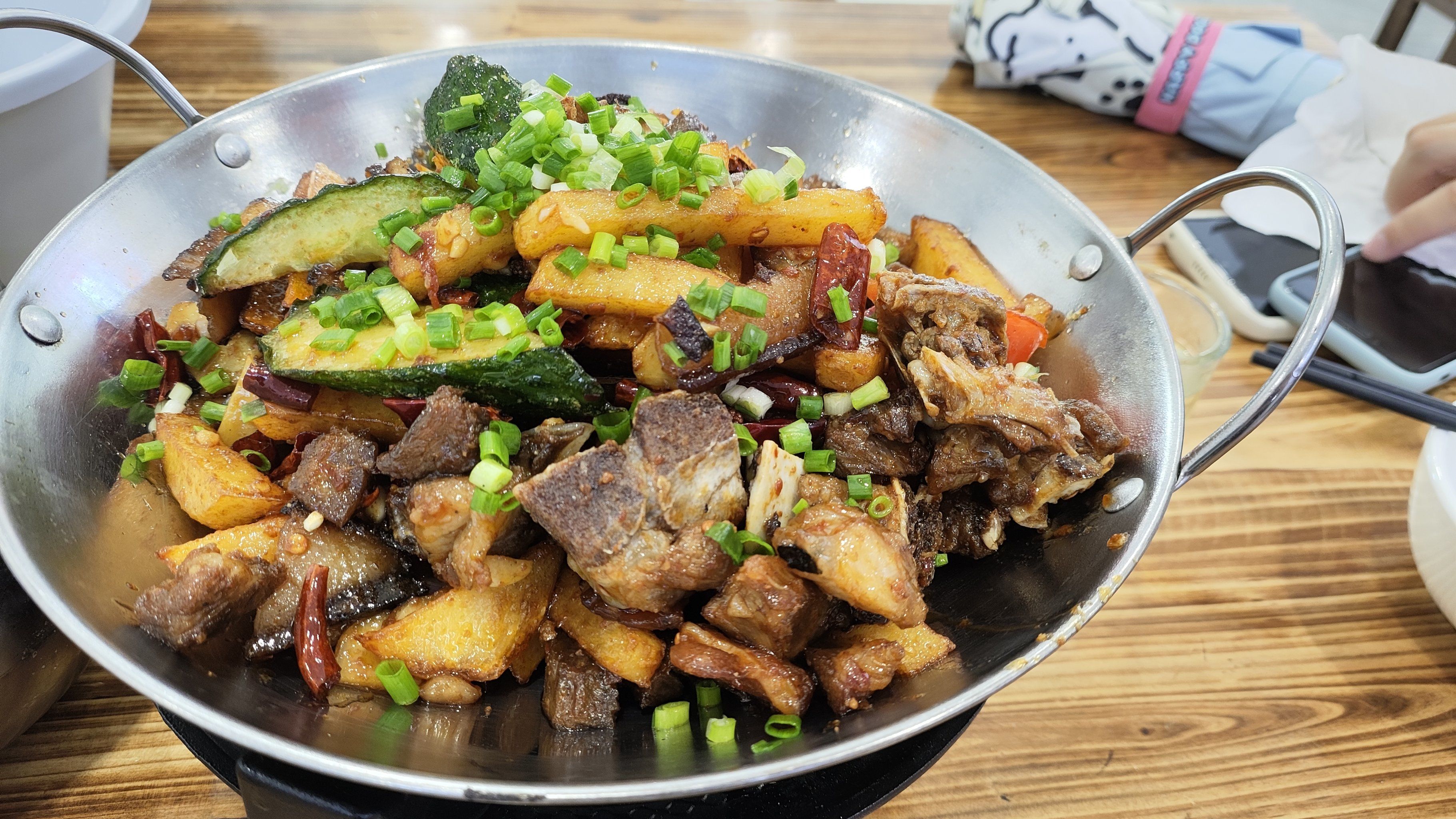
Xiangxi Waipocai
Xiangxi Waipocai is a dish full of the taste of home. Its ingredients are diverse, including preserved mustard greens, dried radish, dried cowpeas, minced meat, chili peppers, etc. When making it, soak and cut the dried vegetables, and then stir – fry them with minced meat. The saltiness of the preserved mustard greens, the crispness of the dried radish, and the toughness of the dried cowpeas blend together in the pot. The addition of chili peppers adds a warm and spicy flavor. Waipocai has a rich taste, with the mellow taste of dried vegetables and the freshness of minced meat. Paired with rice, it can greatly increase your appetite. This dish is not only common in restaurants but is also often made into cans, which is convenient for tourists to take home as gifts. The price of a portion of Xiangxi Waipocai is about 20 – 30 yuan.

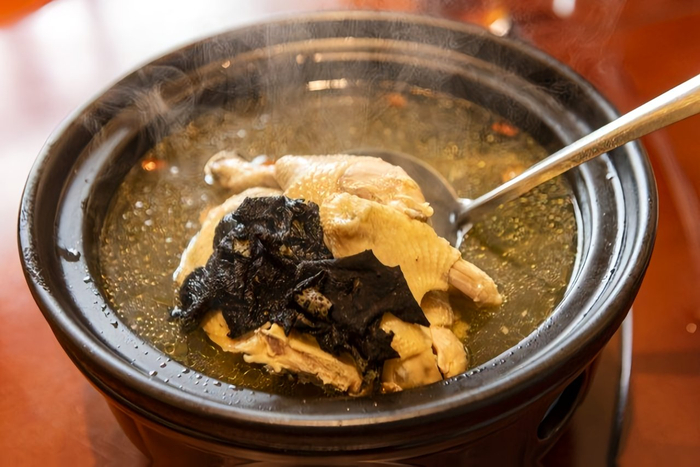
Rock Ear Stewed with Native Chicken
Rock ear, a rare fungus, grows on the cliffs of Zhangjiajie. It gets its name because it looks like an ear. Rock ear stewed with native chicken is made by carefully stewing rock ears with local native chickens. The native chicken has firm and nutritious meat, and after stewing, it releases a strong meaty aroma. The rock ears absorb the deliciousness of the chicken soup and become soft, glutinous, and tender, with a unique taste. This soup dish is delicious and nutritious, with certain nourishing effects. Due to the difficulty of picking rock ears and their rarity, this dish is relatively expensive, about 80 – 120 yuan per portion. However, its unique taste and nutritional value are definitely worth a try.
Artemisia Cakes
Artemisia Cakes are traditional snacks with distinct features in Zhangjiajie, usually made around the Qingming Festival. The ingredients include artemisia, glutinous rice flour, bacon, peanuts, sesame, walnuts, etc. First, wash and cook the artemisia, chop it, and mix it with glutinous rice flour to form a dough. The filling is made by stir – frying and chopping bacon and other ingredients. Wrap the filling with the dough, roll it into a cake shape, and steam it in a steamer. The freshly steamed Artemisia Cakes exude the fragrance of artemisia. The outer skin is soft and glutinous, and the inner filling is savory and delicious. It has both the stickiness of glutinous rice and the rich taste of the filling. This kind of snack not only tastes good but also carries local traditional customs, being a nostalgic memory on the tongue. You can often see it on the streets and alleys, and the price is generally 2 – 5 yuan each.

Zhangjiajie Cold Noodles
Zhangjiajie Cold Noodles are very popular locally, especially in hot summers. The noodles are chewy and smooth, paired with fresh vegetables such as cucumber shreds, bean sprouts, and carrot shreds, and then topped with special seasonings like chili oil, balsamic vinegar, light soy sauce, and minced garlic. The chili oil is bright red in color and rich in aroma, and the balsamic vinegar is sour and appetizing. The combination makes the cold noodles spicy, sour, and refreshing. When eating, stir well so that each noodle is coated with the seasonings, and the flavors of various ingredients collide in the mouth, making you have a big appetite. The price of a portion of Zhangjiajie Cold Noodles is about 5 – 10 yuan, which is a great choice to relieve the heat and satisfy your cravings.

Conclusion
The delicacies of Zhangjiajie are like the city’s business cards. Each dish showcases the unique regional culture and local conditions. Whether it’s the spicy and delicious Tujia Sanxiaguo, the home – flavored Xiangxi Waipocai, the unique Rock Ear Stewed with Native Chicken, Artemisia Cakes, or Zhangjiajie Cold Noodles, they are all worthy of tourists’ careful tasting. The next time you visit Zhangjiajie, don’t miss these delicious foods and let your taste buds embark on a wonderful journey.