


Tea is one of the world’s most popular drinks.
But in China, tea is much more than a beverage.
For thousands of years, tea has shaped Chinese philosophy, literature, art, social customs, and daily life. It has inspired poets, connected communities, fueled international trade, and even influenced world history.
This deep cultural significance is why Chinese tea culture was recognized by UNESCO as an Intangible Cultural Heritage of Humanity in 2022.
So what makes Chinese tea culture so special?
The Birthplace of Tea
China is widely regarded as the birthplace of tea.
According to legend, tea was discovered nearly 5,000 years ago by the mythical emperor Shennong when tea leaves accidentally fell into a pot of boiling water.
While the story is legendary, historical evidence confirms that China has cultivated and consumed tea for more than two millennia.
Over time, tea evolved from a medicinal plant into one of the most important elements of Chinese culture.
Tea Is Everywhere in Chinese Life
Unlike in many countries where tea is simply a drink, tea in China is deeply woven into daily life.
People drink tea:
- At home.
- At family gatherings.
- During business meetings.
- In restaurants.
- During festivals and ceremonies.
Offering tea is often seen as a gesture of hospitality and respect.
In many Chinese households, guests are welcomed with tea before any conversation begins.
Not Just One Tea
Many foreigners are surprised to learn that there is no single “Chinese tea.”
China produces six major categories of tea:
- Green tea
- Black tea
- White tea
- Oolong tea
- Yellow tea
- Dark tea
Each type has its own production methods, flavors, aromas, and regional traditions.
Famous examples include Longjing Tea from Hangzhou, Tieguanyin from Fujian, and Pu’er Tea from Yunnan.
For tea enthusiasts, exploring Chinese tea can be as complex as exploring fine wines.
Tea and Chinese Philosophy
Tea culture in China is closely linked to traditional philosophies.
Confucianism emphasizes harmony and respect.
Daoism values simplicity and balance.
Buddhism encourages mindfulness and inner peace.
Tea drinking naturally became associated with these ideas.
Rather than consuming tea quickly, many Chinese tea traditions encourage people to slow down, appreciate the moment, and connect with others.
This philosophical dimension is one reason tea remains culturally important today.
What Is the Chinese Tea Ceremony?
Many people have heard of the Japanese tea ceremony, but fewer realize that China also has rich tea-serving traditions.
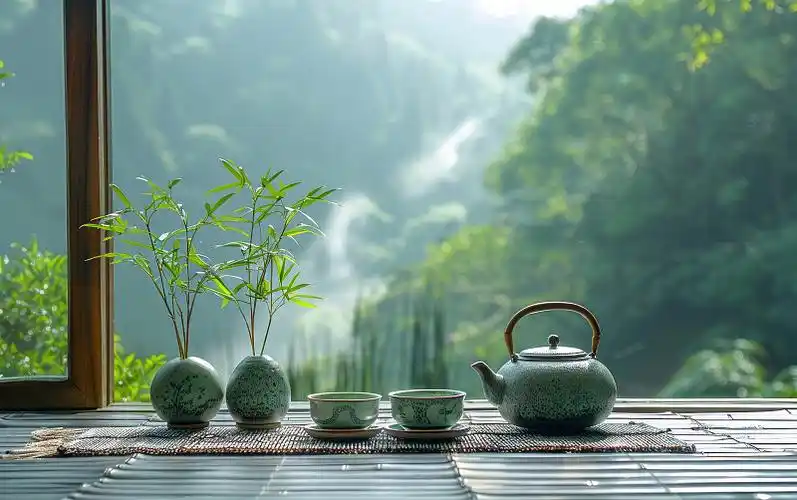
One of the best-known practices is Gongfu Tea, which originated in southern China.
The word “gongfu” refers to skill and dedication.
Preparing tea using this method involves carefully controlling:
- Water temperature.
- Brewing time.
- Tea quantity.
- Serving techniques.
The goal is to bring out the best flavor while creating a calm and enjoyable experience.
Tea Changed Global History
Chinese tea has influenced the world far beyond China’s borders.
For centuries, tea traveled along trade routes connecting China to Central Asia, the Middle East, Europe, and beyond.
Tea became one of China’s most valuable exports and played a major role in international commerce.
In fact, the global popularity of tea today can be traced directly to China’s historical tea production and trade networks.
UNESCO Recognition
In 2022, UNESCO officially recognized China’s traditional tea-processing techniques and associated social practices as an Intangible Cultural Heritage of Humanity.
The recognition covered not only tea production but also the customs, knowledge, and cultural traditions surrounding tea.
UNESCO noted that tea serves as an important medium for communication, social interaction, and cultural identity in Chinese society.
Why Tea Culture Still Matters Today
Despite modernization, tea remains an important part of contemporary Chinese life.
Young people visit tea houses.
Families serve tea during holidays.
Business partners discuss deals over tea.
Many people continue to view tea as a symbol of hospitality, refinement, and cultural heritage.
Tea culture has adapted to modern life while preserving traditions that are centuries old.
More Than a Drink
To understand Chinese tea culture is to understand an important part of China itself.
Tea is not simply something people consume.
It represents history, craftsmanship, philosophy, community, and tradition.
That is why Chinese tea culture has survived for thousands of years—and why UNESCO recognized it as one of humanity’s cultural treasures.
The next time you drink a cup of Chinese tea, remember that you are participating in a tradition that has shaped Chinese civilization for millennia.