

1. The Global Stereotype About Chinese Dumplings
In global cognition and international food culture, Chinese dumplings have become the most iconic symbol of Chinese cuisine. Most foreigners hold a fixed stereotype: every Chinese person eats dumplings in daily life and festivals, and dumplings are a staple food for all Chinese people. With high exposure in overseas Chinese restaurants, international cultural events and global celebrations, dumplings have strengthened this one-sided misunderstanding worldwide.
However, this is a typical cultural bias. In the real Chinese food landscape, dumplings are never a nationwide universal food, but a regional specialty exclusive to northern China. For more than half of the southern Chinese population, dumplings are never a festival ritual food or daily staple, only an occasional alternative meal. To understand authentic Chinese food culture, we need to break the stereotype and explore the regional differences of dumplings across China.
2. North-South Food Divide: Dumplings Are a Northern Tradition, Not a National Custom
The huge north-south food difference in China originates from geographical climate, farming methods and thousand-year-old living customs. Divided by the Qinling-Huaihe Line, northern and southern China have completely different staple foods and festival cuisines, which defines the regional boundary of dumpling culture.
Northern China has a temperate climate with long and cold winters and scarce green vegetables in ancient times. Wheat planting has been the core agriculture here, making pasta the staple food. With thin wrappers, rich fillings, high satiety and easy storage, dumplings perfectly adapt to northern winter life. After thousands of years of inheritance, dumplings have become a ritual food for Spring Festival, Winter Solstice and Minor New Year, integrating deeply into northern folk customs.
Southern China features a mild and humid climate, where rice planting dominates agriculture, and rice and glutinous rice products are absolute staples. Most southern regions including Sichuan, Chongqing, Hunan, Guangdong, Guangxi, Fujian, Zhejiang, Jiangxi, Yunnan and Guizhou have no traditional custom of eating dumplings during festivals. Southern Chinese have their own festive delicacies: people in Jiangsu, Zhejiang and Shanghai eat glutinous rice balls and rice cakes on Winter Solstice; Guangdong and Fujian families enjoy basin dishes and New Year cakes; Jiangxi people prefer mutton soup and ancestor-worshipping feasts. For southerners, dumplings are merely modern fast food, not traditional cultural food.
In short, northern Chinese eat dumplings out of traditional inheritance, while southern Chinese eat dumplings only out of modern dietary choice. With the integration of catering culture, dumpling restaurants are ubiquitous in southern cities, but this is a modern lifestyle choice, not a local traditional custom.
3. Diverse Northern Dumplings: Unique Features of Different Northern Regions
Even in northern China where dumplings are prevalent, there is no unified standard for dumplings. From Northeast China to North China and Northwest China, dumplings vary greatly in wrapper thickness, filling collocation, cooking methods and flavors, forming a diverse northern dumpling culture.
3.1 Northeast Chinese Dumplings: Big, Juicy and Hearty
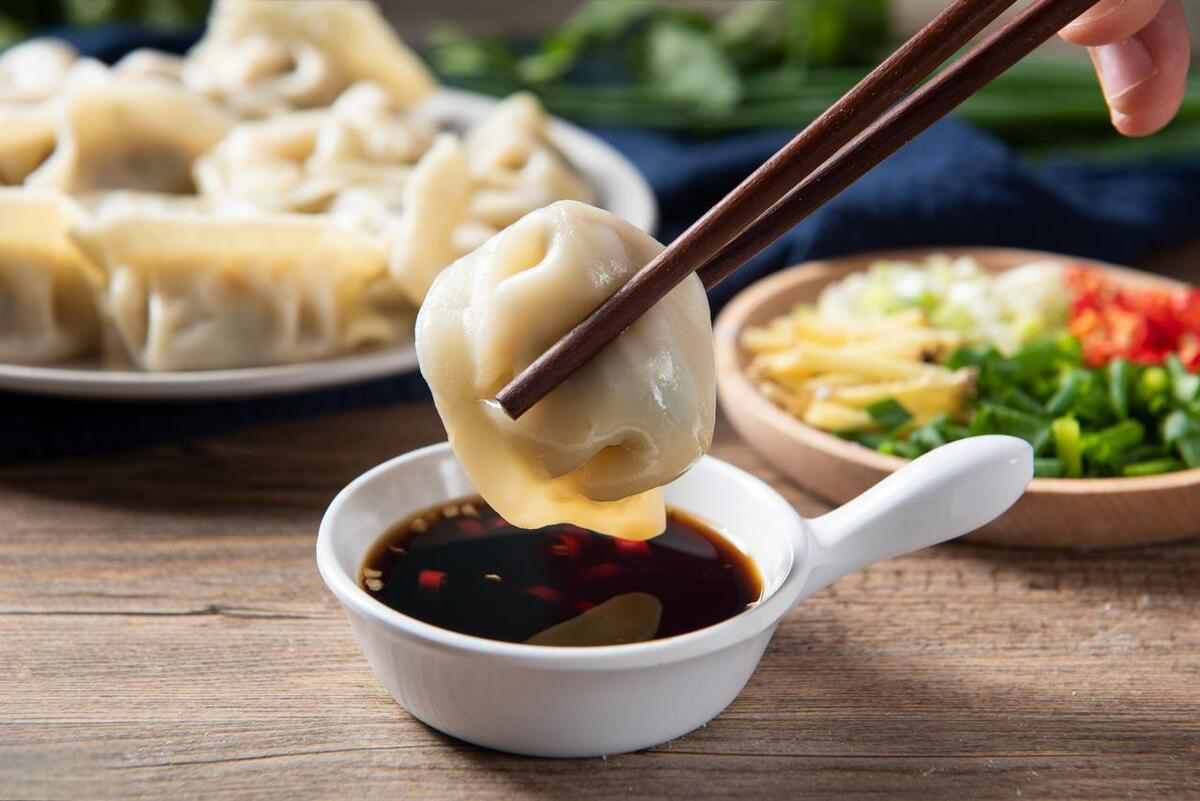
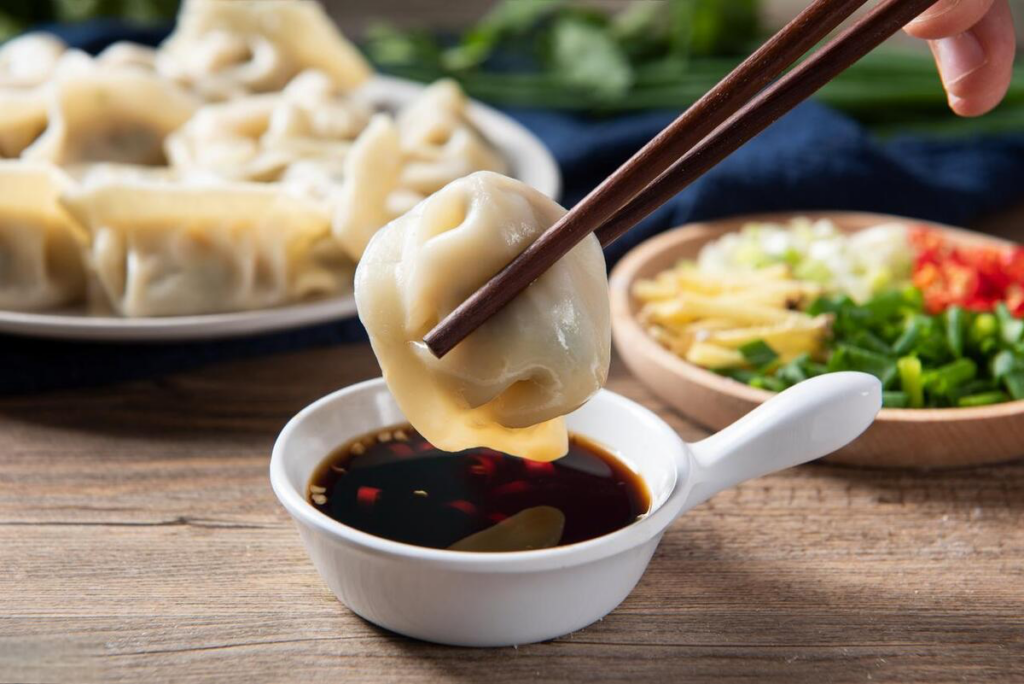
Northeast dumplings are the most representative northern dumplings, reflecting the bold and generous local character. They feature thin, tough wrappers, generous fillings and rich soup. Classic fillings include pork with Chinese cabbage, pork with sour cabbage and chives with eggs. Sour cabbage pork dumplings are the regional signature, with a fresh and sour taste that is refreshing and non-greasy. Usually boiled and served with garlic, soy sauce and chili oil dipping sauce, Northeast dumplings are filling and affordable, essential for daily meals and festivals.
3.2 Beijing Dumplings: Exquisite, Mild and Balanced
Beijing dumplings combine the simplicity of northern pasta and the delicacy of capital cuisine. With moderate thickness and chewy texture, the wrappers are neither hard nor thick. Fillings focus on a balanced mix of meat and vegetables, highlighting the original freshness of ingredients without heavy seasoning. Popular flavors include pork with green Chinese onion, three-fresh fillings and pork with cabbage. A well-preserved old Beijing custom is drinking warm dumpling soup after eating boiled dumplings, known as “original soup digests original food”, presenting a mild and exquisite taste style.
3.3 Shandong Dumplings: Strong Wheat Aroma and Authentic Fillings
As a major pasta province, Shandong boasts dumplings with distinctive local characteristics. Made from high-quality local wheat flour, hand-rolled wrappers are thick, chewy and full of strong wheat flavor. Coastal Shandong is famous for seafood dumplings, such as Spanish mackerel dumplings and sea worm chives dumplings, with sweet and fresh seafood fillings. Inland Shandong prefers simple flavors like pork with chives and mushroom pork. Shandong dumplings can be boiled, steamed or pan-fried, with authentic home-cooked tastes.
3.4 Shaanxi Dumplings: Spicy, Sour and Rich in Flavor
Shaanxi dumplings are famous for their rich and heavy taste, among which sour soup boiled dumplings are the most classic. The thick and tough wrappers resist soaking and keep chewy in sour soup. The soul of the dish is the sour and spicy soup base mixed with vinegar, chili oil, pepper and garlic, creating a layered and appetizing flavor. In addition to sour soup dumplings, dry-mixed dumplings with rich oil and salt taste are also popular, fully adapting to the local preference for strong flavors in Northwest China.
3.5 Shanxi Dumplings: Coarse Grain Wrappers and Healthy Taste
Shanxi dumplings focus on original ecology and health. Different from ordinary white flour wrappers, Shanxi locals often use buckwheat, oat and sorghum flour to make dumpling wrappers, which are chewy, nutritious and full of natural grain aroma. Fillings are mainly vegetarian, such as cabbage, radish and vermicelli with eggs, light and low-oil. Mostly boiled or steamed, Shanxi dumplings highlight the original taste of ingredients, presenting a simple and rustic rural food style.
4. Conclusion: Diversity Defines Authentic Chinese Cuisine
Dumplings carry the thousand-year-old folk culture and life wisdom of northern China, representing the warmth and ritual of northern festivals. However, they never represent the whole of Chinese food culture. The global stereotype that “all Chinese people eat dumplings” is only a one-sided understanding of China’s diverse catering system.
China’s vast territory breeds diverse food customs: northerners cherish the fragrance of dumplings, while southerners favor the tenderness of glutinous rice balls and rice cakes. The diversity of flavors across China is the true charm of Chinese cuisine. Breaking single food stereotypes helps the world better understand the inclusive and diverse Chinese food culture.