


If you spend a winter in China, one of the first surprises many foreigners notice is this:
In the north, buildings are warm and well heated.
But in the south, even modern apartments can feel cold indoors.
There is a simple reason for this difference, and it is not a matter of construction quality or comfort standards. It comes down to geography, policy, and how China historically defined winter heating.
A Split That Starts With Geography
China is a large country with very different climates.
In the north, winters are long, dry, and often extremely cold. Temperatures can drop well below freezing for weeks.
In the south, winters are much milder. It rarely snows in most cities, and temperatures usually stay above freezing, even in the coldest months.
Because of this, heating needs are not the same across the country.
The Historical Heating Rule
China’s central heating system was designed decades ago, when energy resources were limited.
At that time, the government drew an unofficial “heating line” roughly along the Qinling Mountains and Huai River.
- North of this line: central heating is provided in winter
- South of this line: no central heating system was installed
This decision was based on cost and necessity at the time, not modern living standards.
And that rule still largely shapes the system today.
Why the South Was Left Out
At first glance, it may seem unfair that southern cities do not have central heating. But from a policy perspective at the time, there were practical reasons:
Heating infrastructure is expensive to build and maintain.
Southern winters were considered mild enough that large-scale heating systems were not necessary.
Resources were prioritized for regions with harsher climates.
As a result, cities like Shanghai, Hangzhou, and Guangzhou were not included in the original system.
How People Stay Warm Without Central Heating
Even without central heating, people in southern China still get through winter. They simply rely on different methods.
Common approaches include:
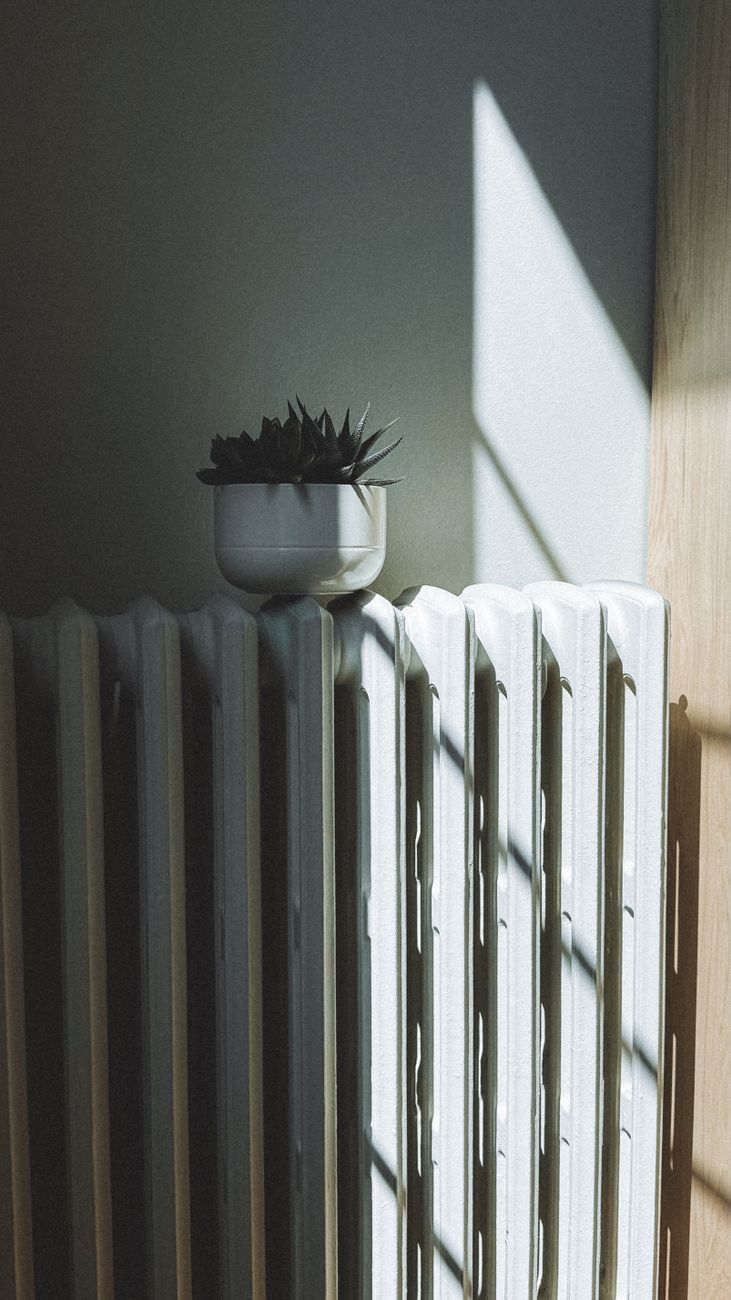
- Air conditioning with heating mode
- Electric heaters
- Heated blankets
- Thick clothing indoors
- Hot water bottles
- Staying in warmer rooms at home
It is very common to see people wearing coats indoors during winter months.
Why It Feels Colder Than It Is
Interestingly, southern winters are not actually extreme in temperature. The problem is humidity.
Cold air in the south is often damp, which makes it feel colder than dry cold in the north.
So even if the temperature is not very low, indoor environments can feel uncomfortable without proper heating.
This is one of the biggest surprises for foreigners living in southern China for the first time.
Modern Debate Around Heating
In recent years, there has been ongoing discussion in China about whether central heating should be expanded to southern regions.
Supporters argue that living standards have improved and heating should no longer be limited by old geographic rules.
Opponents point out the high cost and energy consumption required to expand the system nationwide.
For now, the divide remains largely unchanged.
What Foreigners Usually Notice First
Foreign visitors often find this difference confusing because:
- Apartments in the south are modern and well-built
- But indoor temperatures feel cold in winter
- There is no central heating system
- People rely on personal devices instead
This contrast between modern housing and simple heating solutions is one of the most noticeable lifestyle differences in China.
Final Thoughts
The lack of central heating in southern China is not a design flaw or oversight. It is the result of historical policy decisions based on geography and resource allocation.
Today, while lifestyles have modernized significantly, the heating divide between north and south still remains.
Understanding this small detail helps explain a much larger picture of how climate, policy, and daily life interact in China.
For many foreigners, it is one of the most memorable “culture shock” moments when living in the country for the first time.