


Hunan traditional wedding customs represent a profound and well-preserved part of ancient Chinese marriage etiquette and Bashu-Hunan folk culture. Rooted in thousands of years of farming civilization, clan traditions, and multi-ethnic integration, Hunan wedding rituals are far more detailed and regionally diverse than generic Chinese wedding ceremonies. Combining rigorous traditional Confucian rituals, local folk beliefs, and unique ethnic customs of the Tujia and Miao people in western Hunan, a complete Hunan wedding spans multiple stages, including pre-wedding negotiations, formal wedding day ceremonies, and post-wedding rituals. Every procedure, gift, and symbolic action carries profound cultural meanings of blessing, family harmony, fertility, and lifelong happiness. This article provides a full in-depth guide to authentic Hunan wedding traditions, covering Han ethnic mainstream rituals and unique western Hunan minority wedding customs.
Core Cultural Features of Hunan Traditional Weddings
Different from simplified modern Chinese weddings, traditional Hunan weddings adhere to the complete ancient Chinese “Six Rites” system while retaining strong local characteristics. The entire wedding process stresses propriety, auspiciousness, filial piety, and clan harmony. Red is the dominant color throughout all ceremonies, symbolizing joy, prosperity, and good fortune. Every ritual step follows strict time rules, traditional taboos, and symbolic etiquette. In addition to Han wedding traditions, western Hunan areas such as Zhangjiajie, Huaihua, and Xiangxi integrate unique Tujia and Miao wedding cultures, forming diverse and distinctive Hunan wedding aesthetics that differ greatly from weddings in northern China, Guangdong, and Jiangsu regions.
Complete Pre-Wedding Rituals (Early Preparation Stage)
A traditional Hunan wedding starts months before the official wedding day, with standardized negotiation and ceremonial procedures to confirm the marriage alliance between two families.
1. Proposing and Matchmaking In traditional Hunan culture, formal marriage begins with professional matchmaker proposal. The matchmaker acts as the bridge between the groom’s and bride’s families, conveying marriage intentions and basic family information. The groom’s family prepares formal greeting gifts including pork, wine, pastries, and red envelopes to show sincerity. Without a formal matchmaker’s introduction, the marriage is regarded as irregular and disrespectful in local folk tradition.
2. Visiting the Family and Blind Date After initial mutual confirmation, the female elders (aunt, sister-in-law, or senior female relatives) visit the groom’s family’s residence to inspect family conditions, household atmosphere, and personal conduct of the groom, which is locally called “Kan Ren Jia (visiting the family)”. This step aims to ensure a stable and harmonious future marriage life.
3. Ba Zi He Hun (Birth Date Matching) As a core traditional ritual, both families exchange the eight-character birth information of the bride and groom. Local folk masters check whether the couple’s fate matches, avoiding zodiac conflicts and inauspicious combinations. Only after successful matching can the marriage proceed to the next stage, which symbolizes a heaven-blessed marriage.
4. Engagement and Betrothal Gift Ceremony After confirming the marriage fate, the formal engagement ceremony is held. The groom’s family delivers customized betrothal gifts including cash dowry, gold jewelry, new clothing, seasonal gifts, and ritual food. The bride’s family returns reciprocal gifts to bless the new couple. After this ritual, the marriage is publicly recognized by both clans and folk communities.
5. Date Selection and Wedding Confirmation Professional feng shui masters select the most auspicious wedding date according to the couple’s birth dates and traditional almanac rules. Traditional Hunan weddings mostly choose holidays or lucky lunar days to pray for smooth marriage and lifetime peace.
One-Day Formal Wedding Core Rituals (Official Wedding Day)
The wedding day is the most solemn and complicated part of Hunan traditional marriage customs, consisting of bride departure, wedding convoy, gate-blocking rituals, hall worship, bridal chamber ceremonies, and guest banquets, with strict procedural norms.
1. Early Morning Bridal Chamber Decoration and Bed Setting (An Chuang) On the early morning of the wedding day, respected elder female relatives with complete family blessings (no widows, no divorced people) are invited to arrange the new bed. They spread red bedding, place red dates, peanuts, longans, and lotus seeds on the bed, symbolizing early birth of noble children, completeness, and prosperity of descendants. The bed-setting ritual must be completed before the bride arrives to gather auspicious energy.
2. Groom’s Wedding Convoy and Gate Blocking Ritual The groom leads a grand convoy team to the bride’s home to pick up the bride. When arriving at the village or community entrance, the bride’s relatives and friends will set up a “gate-blocking ceremony”. The groom needs to complete interactive games, answer festive questions, and send red envelopes to gain access. This lively custom symbolizes the bride’s family’s reluctance to part and adds festive joy to the wedding.
3. Western Hunan Unique Lanmen Jiu (Door-Blocking Wine) In ethnic minority areas of western Hunan, the most representative custom is the door-blocking wine ritual. Before the convoy enters the bride’s house, the groom must drink custom-brewed rice wine prepared by the bride’s family. It represents local hospitality and the recognition of the groom by the bride’s clan, which is an indispensable ethnic wedding etiquette.
4. Bride’s Farewell and Crying Wedding Ritual The unique Hunan crying wedding custom is a classic local folk tradition, especially popular in Tujia and Miao areas. The bride cries before leaving her parents’ home, expressing gratitude to parents for upbringing, reluctance to leave family, and blessings for future life. In traditional culture, crying on the wedding day symbolizes joy instead of sorrow; the more sincerely the bride cries, the more blessed the marriage will be.
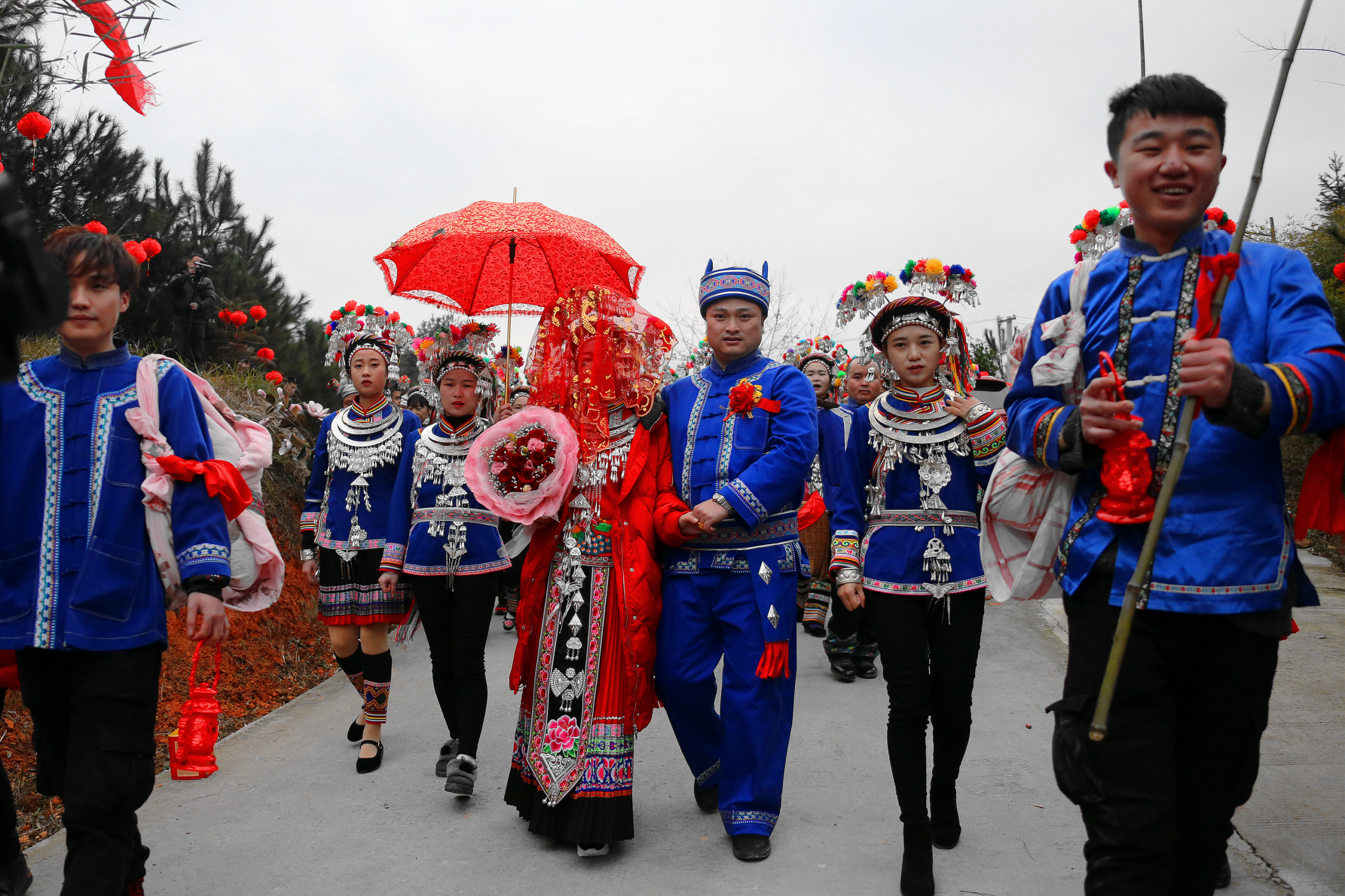
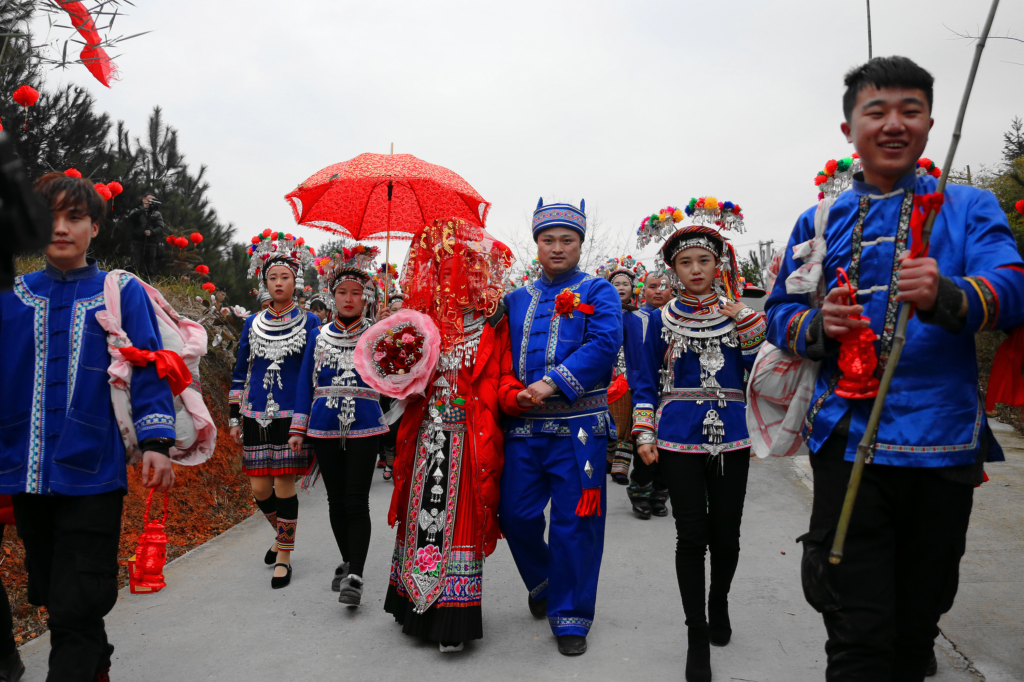
5. Wedding Convoy and Red Silk Leading Ceremony In rural Hunan areas, there is a classic “Tu Che (soil cart)” custom. The groom’s father pulls a red-silk-decorated cart, and the groom walks in front to lead the way, sending the bride safely to the groom’s home. The whole convoy is decorated with red silk, red lanterns, and festive banners, presenting a prosperous and festive atmosphere.
6. Ancestor Worship and Hall Worship Ceremony After the bride arrives at the groom’s home, the core formal ritual begins: worshipping heaven and earth, ancestors, and parents. The new couple bows three times to thank heaven and earth for destiny, worship family ancestors for inheritance, and show filial piety to parents. This solemn ritual inherits traditional Chinese clan culture and family ethics.
7. Tea Salutation to Elders Different from other Chinese wedding styles, Hunan weddings attach great importance to the post-wedding tea ceremony. The newlywed bride kneels down and presents tea one by one to all senior elders of the groom’s family. After drinking the tea, elders give blessing red envelopes to the bride. This ritual symbolizes the new family member’s respect, integration, and harmonious family relations.
8. Bridal Chamber Celebration and Blessing Ritual After the formal hall ceremony, the new couple enters the bridal chamber. Relatives and friends conduct festive chamber teasing activities, send verbal blessings for eternal love and early fertility, and witness the new couple’s official marriage establishment.
Post-Wedding Follow-Up Rituals
Traditional Hunan wedding customs do not end with the one-day banquet. Complete follow-up rituals ensure the stable integration of the new family.
1. Second-Day Home Visit (Hui Men) On the second day after the wedding, the new couple returns to the bride’s natal home with prepared gifts to visit parents, report the smooth wedding completion, and maintain kinship connections between the two families.
2. Clan Recognition and Relative Visiting Within one month after the wedding, the couple visits all close relatives of both sides to complete formal family recognition, realizing the integration of two clans and consolidating social and kinship relations.
Unique Ethnic Wedding Customs of Western Hunan
As a multi-ethnic province, Hunan’s western regions retain rare ancient minority wedding traditions that are completely different from Han weddings.
Tujia Wedding Crying Ritual: Tujia people regard crying wedding as a necessary etiquette. Professional crying wedding songs are sung to express family affection and wedding blessings, which has become a provincial intangible cultural heritage.
Miao Wedding Toast Etiquette: Miao weddings emphasize layered toasting rituals. The groom needs to complete multiple rounds of wine and tea ceremonies to obtain the recognition of the entire Miao village clan, with strong ethnic ritual sense.
Multi-Day Wedding Banquet Tradition: In remote mountainous areas of Hunan, traditional weddings last for three to four days, with continuous banquets, folk songs, and bonfire parties, inheriting the ancient and grand wedding etiquette of ethnic minorities.
Cultural Value and Modern Inheritance
Hunan traditional wedding customs are an important carrier of Huxiang culture, integrating Confucian etiquette, farming civilization, clan ethics, and ethnic folk customs. Every ritual step embodies local people’s pursuit of loyalty, filial piety, harmony, and auspiciousness. In modern society, many overly complicated ancient procedures have been simplified, but the core symbolic rituals such as bed setting, tea salutation, ancestor worship, and red-themed celebrations are still well inherited. These classic wedding traditions not only retain the unique cultural charm of Huxiang folk customs but also become an important cultural symbol of Hunan’s intangible cultural heritage inheritance.