


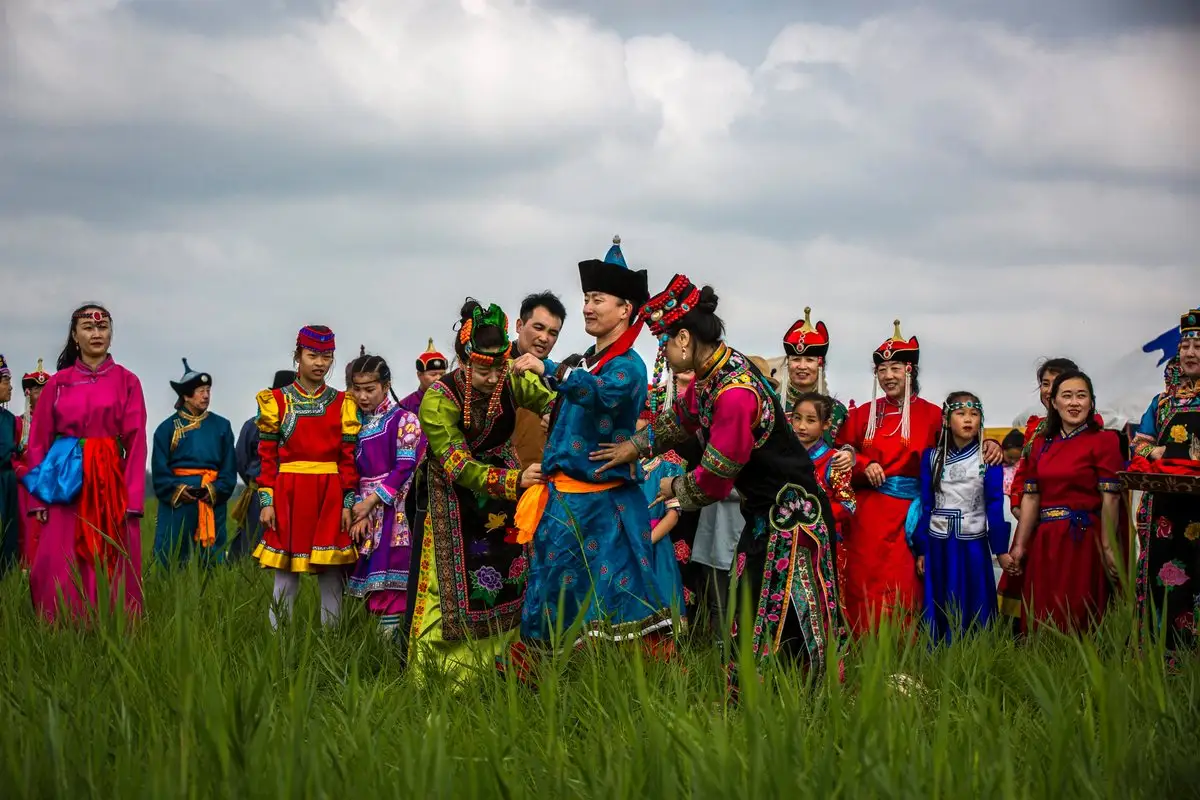
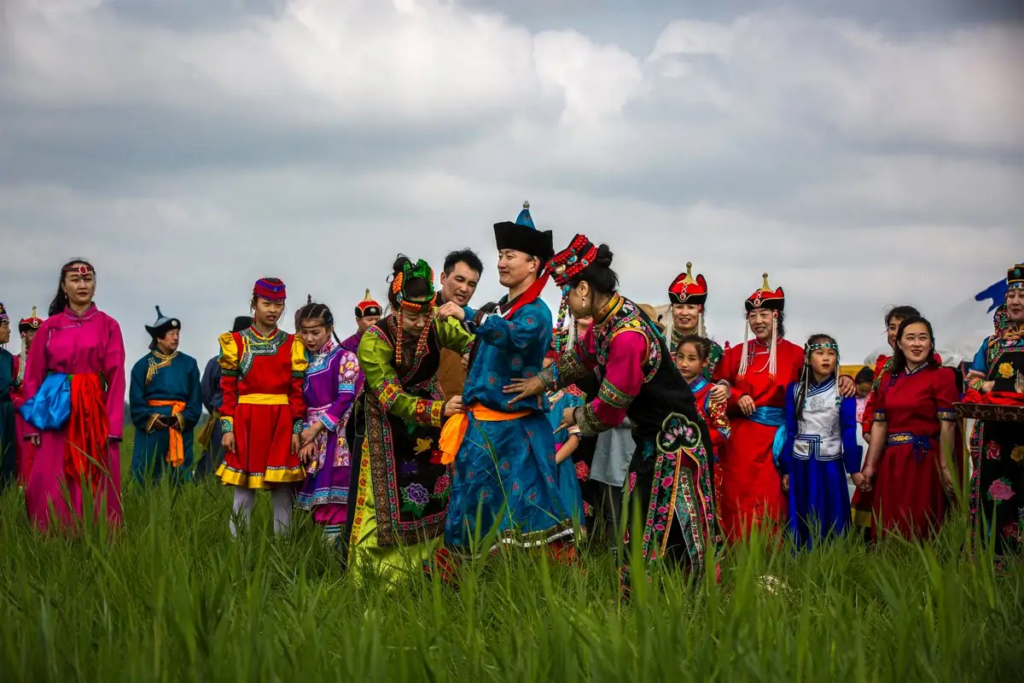
Introduction: One of Asia’s Biggest Historical Surprises
Ask most people where Mongols live.
The answer is almost always:
“Mongolia.”
And that’s understandable.
After all, Mongolia is literally named after the Mongols.
But here’s a fact that surprises many foreigners:
There are significantly more ethnic Mongols living in China than in Mongolia itself.
Mongolia’s population today is around 3.5 million.
China’s ethnic Mongol population exceeds 6 million.
For many Western readers, this sounds impossible.
How can the country named Mongolia contain fewer Mongols than its giant southern neighbor?
The answer lies in centuries of history, shifting borders, empires, and one of the most powerful civilizations the world has ever seen.
To understand modern Mongols, we must begin with a man whose name still echoes across continents:
Genghis Khan.
The Man Who Changed World History
Few historical figures have shaped the world as dramatically as Genghis Khan.
Born in the late twelfth century on the Mongolian steppe, he united rival tribes and created what would become the largest contiguous land empire in human history.
At its peak, the Mongol Empire stretched from:
- Korea
- China
- Central Asia
- Russia
- Eastern Europe
- The Middle East
No empire before or since has connected so much territory under a single rule.
Today, Mongols across multiple countries view Genghis Khan as a foundational cultural figure.
His legacy remains central to Mongolian identity.
The Mongolian Homeland Was Never One Country
One common misunderstanding is that Mongolia has always been a clearly defined nation.
Historically, the Mongolian world was much larger.
The Mongolian steppe stretched across enormous areas of northern Asia.
For centuries, tribes moved freely across these grasslands.
Modern borders did not exist.
People traveled with:
- Horses
- Sheep
- Goats
- Camels
Following seasonal grazing routes.
The idea of a fixed national border would have seemed strange to many nomadic communities.
How Mongolia Became Divided
The modern division emerged relatively recently.
Over time, different Mongolian regions came under different political administrations.
Eventually two major regions emerged:
Outer Mongolia
This later became the independent country of Mongolia.
Inner Mongolia
This remained within China.
As a result, millions of ethnic Mongols became citizens of China.
The division was political rather than ethnic.
The people on both sides shared common ancestry, language, and traditions.
Where Do Mongols Live in China?
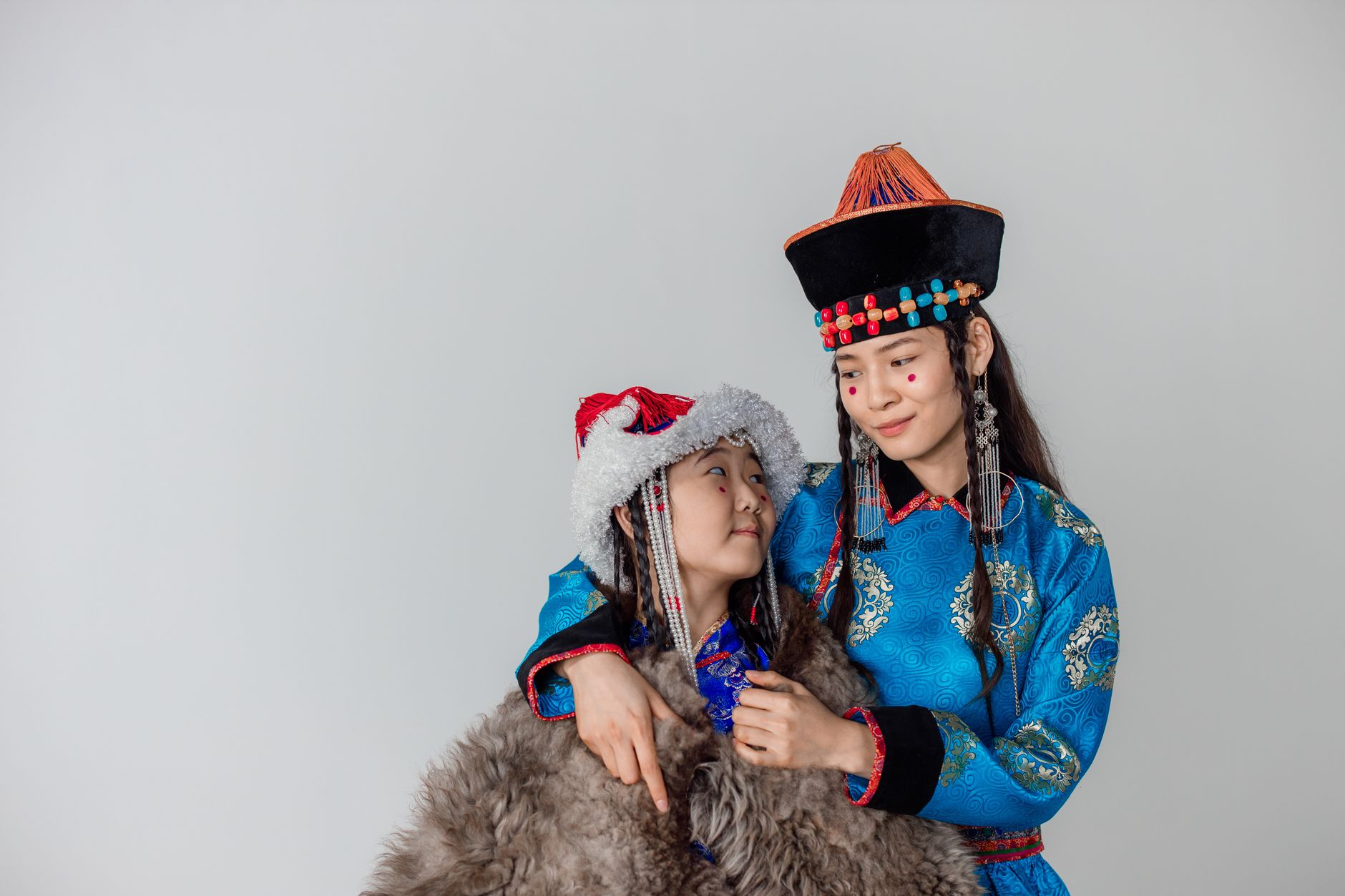
Most ethnic Mongols live in the Inner Mongolia Autonomous Region.
This enormous region stretches across northern China.
It covers more than one million square kilometers.
To put that in perspective:
Inner Mongolia is larger than many European countries combined.
Its landscapes include:
- Grasslands
- Deserts
- Mountains
- Forests
The region is one of China’s most geographically diverse areas.
The Endless Grasslands
When people imagine Mongolian culture, they often picture vast open grasslands.
Those landscapes are real.
In parts of Inner Mongolia, travelers can ride for hours through rolling green plains.
The horizon seems endless.
The sky feels enormous.
For centuries, these grasslands supported a nomadic way of life.
Even today, they remain a powerful symbol of Mongolian identity.
Why Horses Matter So Much
No animal is more important to Mongolian culture than the horse.
Historically, horses provided:
- Transportation
- Military power
- Communication
- Herding assistance
The Mongol Empire itself was built on horseback mobility.
Some historians argue that Mongol cavalry represented the most effective military force of its era.
Even today, horses remain deeply respected.
Children in pastoral regions often learn to ride at a very young age.
The Famous Mongolian Yurt
Traditional Mongolian homes are known as yurts or gers.
These circular tents are perfectly suited to nomadic life.
They can be:
- Dismantled quickly
- Transported easily
- Reassembled efficiently
Despite their simplicity, they are remarkably practical.
Warm in winter.
Cool in summer.
Resistant to strong winds.
The yurt remains one of the most recognizable symbols of Mongolian culture.
What Language Do Chinese Mongols Speak?
Many ethnic Mongols speak both:
- Mongolian
- Mandarin Chinese
The Mongolian language belongs to a distinct linguistic family.
Traditional Mongolian writing is especially fascinating.
Unlike most scripts, it is written vertically from top to bottom.
Visitors to Inner Mongolia often notice bilingual signs featuring both Chinese and Mongolian text.
The Unique Mongolian Script
One of the most beautiful writing systems in the world survives in Inner Mongolia.
Traditional Mongolian script flows vertically.
Its elegant appearance reflects centuries of cultural development.
Interestingly, Mongolia itself largely adopted the Cyrillic alphabet during the twentieth century.
As a result, traditional Mongolian writing is often preserved more extensively in parts of China than in modern Mongolia.
This surprises many foreign visitors.
The Mongolian Diet
The traditional Mongolian diet reflects life on the grasslands.
Historically, nomadic communities relied heavily on livestock.
Common foods include:
Lamb
A staple of Mongolian cuisine.
Beef
Widely consumed throughout pastoral regions.
Dairy Products
Milk, yogurt, cheese, and fermented beverages are important dietary components.
Milk Tea
A beloved daily drink.
The cuisine differs dramatically from what many foreigners associate with Chinese food.
The Legend of Mongolian Wrestling
One of the most famous traditional sports is wrestling.
Mongolian wrestling has existed for centuries.
Strength, endurance, and technique are highly valued.
Major festivals often feature wrestling competitions that attract large crowds.
For many Mongols, wrestling is not merely a sport.
It is part of cultural heritage.
The Naadam Tradition
One of the most celebrated cultural events is the traditional Naadam festival.
The festival highlights three classic skills:
- Wrestling
- Horse racing
- Archery
These activities reflect the abilities historically required for survival on the steppe.
Although modern life has changed dramatically, these traditions remain popular.
Are Chinese Mongols Different From Mongolians?
This is a sensitive but fascinating question.
Like many ethnic communities separated by borders, differences have developed over time.
People in China and Mongolia share:
- Common ancestry
- Cultural traditions
- Historical roots
However, generations of living under different political systems have also produced distinct experiences.
Despite these differences, cultural connections remain strong.
The Mausoleum of Genghis Khan
One of the most important Mongolian cultural sites is the Mausoleum of Genghis Khan.
Although historians still debate the exact location of Genghis Khan’s actual burial site, this mausoleum serves as a major center of remembrance and cultural significance.
Every year, visitors come to honor the legacy of the great conqueror.
Why Foreign Visitors Are Often Shocked
Many travelers arrive in China expecting:
- Temples
- Pagodas
- Ancient Chinese architecture
Instead, Inner Mongolia offers:
- Horseback riders
- Grassland camps
- Nomadic traditions
- Mongolian music
It feels completely different from Beijing, Shanghai, or Guangzhou.
This contrast surprises many visitors.
The Famous Mongolian Throat Singing
One of the most extraordinary traditions is throat singing.
Known for producing multiple tones simultaneously, this vocal style has fascinated musicians worldwide.
The sound can resemble:
- Wind
- Rivers
- Animal calls
It reflects a deep connection between music and nature.
For many listeners, it is unlike anything they have ever heard.
Modern Life for China’s Mongols
Today, most Mongols live modern lives.
They work as:
- Teachers
- Business owners
- Engineers
- Government officials
Yet many cultural traditions remain important.
Festivals, music, language, and family customs continue to connect younger generations with their heritage.
Why Mongolia Isn’t the Whole Mongolian Story
Perhaps the most important lesson is this:
Mongolian culture extends beyond the borders of modern Mongolia.
Millions of Mongols live elsewhere.
China is home to the world’s largest Mongolian population.
Understanding Mongolian history requires looking at the entire steppe world, not just one country.
What China’s Mongols Reveal About History
The story of China’s Mongols reminds us that ethnic identity and national borders do not always align.
Modern countries are relatively recent creations.
Cultures often predate them by centuries or even millennia.
The Mongols are one of the clearest examples of this reality.
Their history spans nations, empires, and continents.
Conclusion: The Other Mongolia
When most people think of Mongols, they think of Mongolia.
Yet millions of Mongols live elsewhere, and nowhere more than in China.
Across the vast grasslands of Inner Mongolia, ancient traditions continue alongside modern life.
Horse culture, throat singing, wrestling, yurts, and the legacy of Genghis Khan remain vibrant parts of everyday identity.
Their story challenges assumptions about nations, borders, and history.
And it reveals something many foreigners never expect:
One of the world’s greatest nomadic cultures is not confined to a single country.
In fact, the largest Mongolian community on Earth lives inside China.