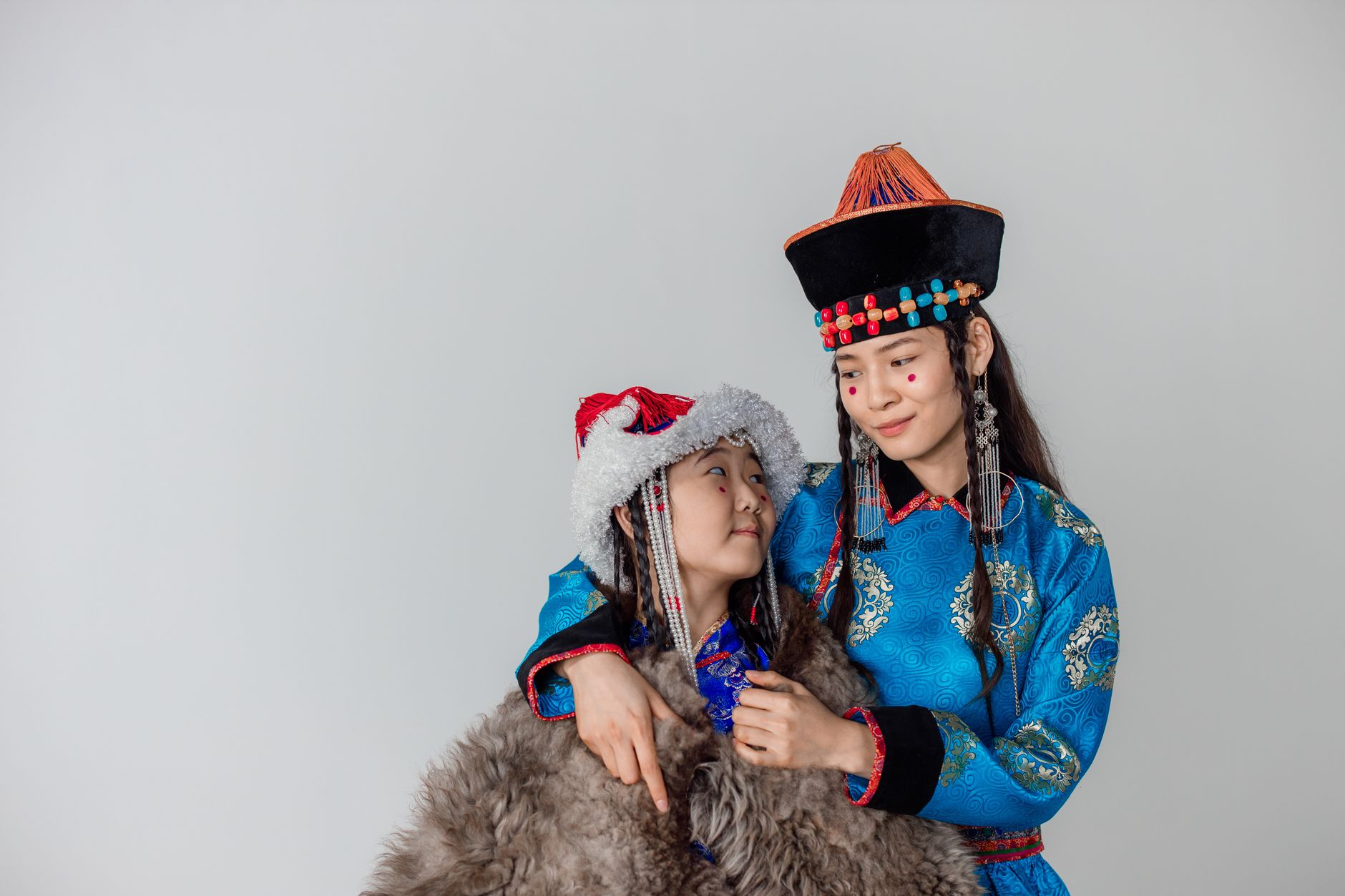




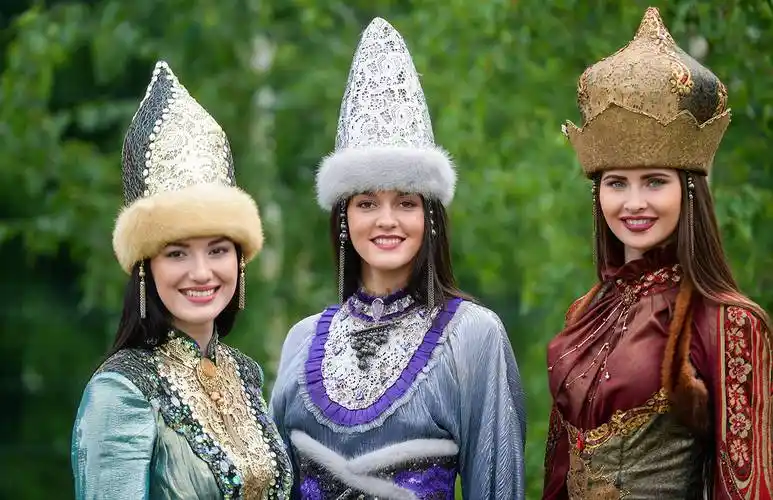
Introduction: The Ethnic Group Almost Nobody Knows Exists
Ask people to name China’s ethnic groups.
Most will mention:
- Han
- Tibetans
- Mongols
- Uyghurs
Some might know:
- Kazakhs
- Koreans
- Hui
But almost nobody mentions the Tatars.
In fact, many people have never even heard of them.
Yet the Tatars are one of China’s officially recognized ethnic minorities.
Their ancestors once belonged to powerful nomadic civilizations that stretched across Eurasia.
Today, they form one of the smallest ethnic groups in China.
Despite their small numbers, their history connects China to some of the most dramatic events in world history.
Who Are the Tatars?
The Tatars are a Turkic-speaking people whose historical homeland stretches across:
- Russia
- Central Asia
- The Volga Region
- Siberia
Globally, there are millions of Tatars.
Most live in:
Tatarstan
Many foreigners know Tatars through Russian history.
Others encounter them in discussions of the Mongol Empire.
However, very few realize that a small branch of the Tatar people settled in China generations ago.
Why the Name “Tatar” Matters
Historically, the word “Tatar” appeared throughout Eurasian history.
European travelers sometimes used it broadly to describe steppe peoples.
The term became famous during the era of the Mongol Empire.
For centuries, Tatars played important roles in:
- Trade
- Diplomacy
- Military affairs
- Cultural exchange
Their influence stretched from Eastern Europe to western China.
Where Do China’s Tatars Live?
Most Chinese Tatars live in:
Xinjiang Uyghur Autonomous Region
Particularly around cities such as:
- Urumqi
- Yining
- Tacheng
These regions have long been crossroads between:
- China
- Central Asia
- Russia
The location explains why Tatars eventually established communities there.
How Did Tatars Arrive in China?
The answer lies in trade.
For centuries, merchants traveled across Central Asia carrying:
- Silk
- Tea
- Textiles
- Horses
- Precious goods
Tatars participated actively in these commercial networks.
Some traders settled permanently in western China.
Others arrived during periods of political change and migration.
Gradually, communities formed and took root.
A Community Built on Education
One fascinating characteristic of the Tatar community has been its strong emphasis on education.
Historically, many Tatars achieved high levels of literacy.
They often worked as:
- Teachers
- Scholars
- Translators
- Merchants
Their multilingual abilities made them valuable intermediaries between different cultures.
The Language of China’s Tatars
Traditionally, Tatars spoke the Tatar language, which belongs to the Turkic language family.
It shares distant connections with languages spoken by:
- Kazakhs
- Uyghurs
- Kyrgyz
Today, many Chinese Tatars also speak:
- Mandarin Chinese
- Uyghur
- Kazakh
This multilingual tradition reflects centuries of cultural interaction.
A Muslim Minority
Like most Tatars worldwide, China’s Tatars are traditionally Muslim.
Islam has played an important role in shaping:
- Community life
- Education
- Family traditions
- Cultural identity
The religion helped maintain connections with other Muslim communities throughout Central Asia.
Why Tatars Look Different
Some foreign visitors are surprised by the physical diversity among China’s ethnic minorities.
Tatars often display features associated with both:
- Europe
- Central Asia
This reflects centuries of interaction across Eurasia.
The Silk Road was never merely a trade route.
It was also a corridor for human migration and cultural exchange.
The Silk Road Connection
The Tatars represent one of many communities shaped by the Silk Road.
The ancient trade routes linked:
Silk Road
- China
- Persia
- Arabia
- Russia
- Europe
People moved alongside goods.
As a result, communities like the Tatars emerged at the crossroads of civilizations.
One of China’s Smallest Ethnic Groups
Today, the Tatar population in China numbers only a few thousand.
That makes them one of the country’s smallest recognized minorities.
Because of their size, many Chinese people themselves know very little about them.
This rarity makes their history even more fascinating.
The Challenge of Preserving Identity
Small communities often face unique challenges.
These include:
- Language preservation
- Cultural continuity
- Population decline
- Urbanization
Like many minority groups worldwide, Chinese Tatars work to maintain traditions while adapting to modern life.
Tatars and the Modern World
Today’s Tatars are fully integrated into Chinese society.
They work in:
- Education
- Business
- Technology
- Government
At the same time, many continue to celebrate aspects of their cultural heritage.
This balance between tradition and modernity characterizes much of minority life in contemporary China.
What Foreign Visitors Usually Get Wrong
Many people assume China’s ethnic diversity is limited to a handful of well-known groups.
In reality, China officially recognizes 56 ethnic groups.
The Tatars demonstrate how remarkably diverse the country truly is.
Their existence surprises even experienced travelers.
Why Historians Find Tatars Fascinating
The Tatars serve as living evidence of centuries of Eurasian interaction.
Their history connects:
- Russia
- Central Asia
- Islam
- China
- The Silk Road
Few communities illustrate globalization before the modern era so clearly.
Why This Story Matters
The story of China’s Tatars reminds us that human history cannot be confined by modern borders.
Cultures overlap.
People migrate.
Communities adapt.
The Tatars are one small piece of a much larger story:
The story of Eurasia itself.
Conclusion: A Forgotten People at the Crossroads of Continents
When people think about China, Tatars rarely come to mind.
Yet this tiny community carries a remarkable historical legacy.
Their ancestors traveled ancient trade routes, connected distant civilizations, and helped shape the multicultural world of Inner Asia.
Today, China’s Tatars remain one of the country’s least-known ethnic groups.
But their story offers an important lesson:
Sometimes the smallest communities preserve the biggest stories.
And in the case of the Tatars, that story stretches across an entire continent.