




If you travel across China today, one of the most impressive things you will notice is how fast and easy it is to move between cities.
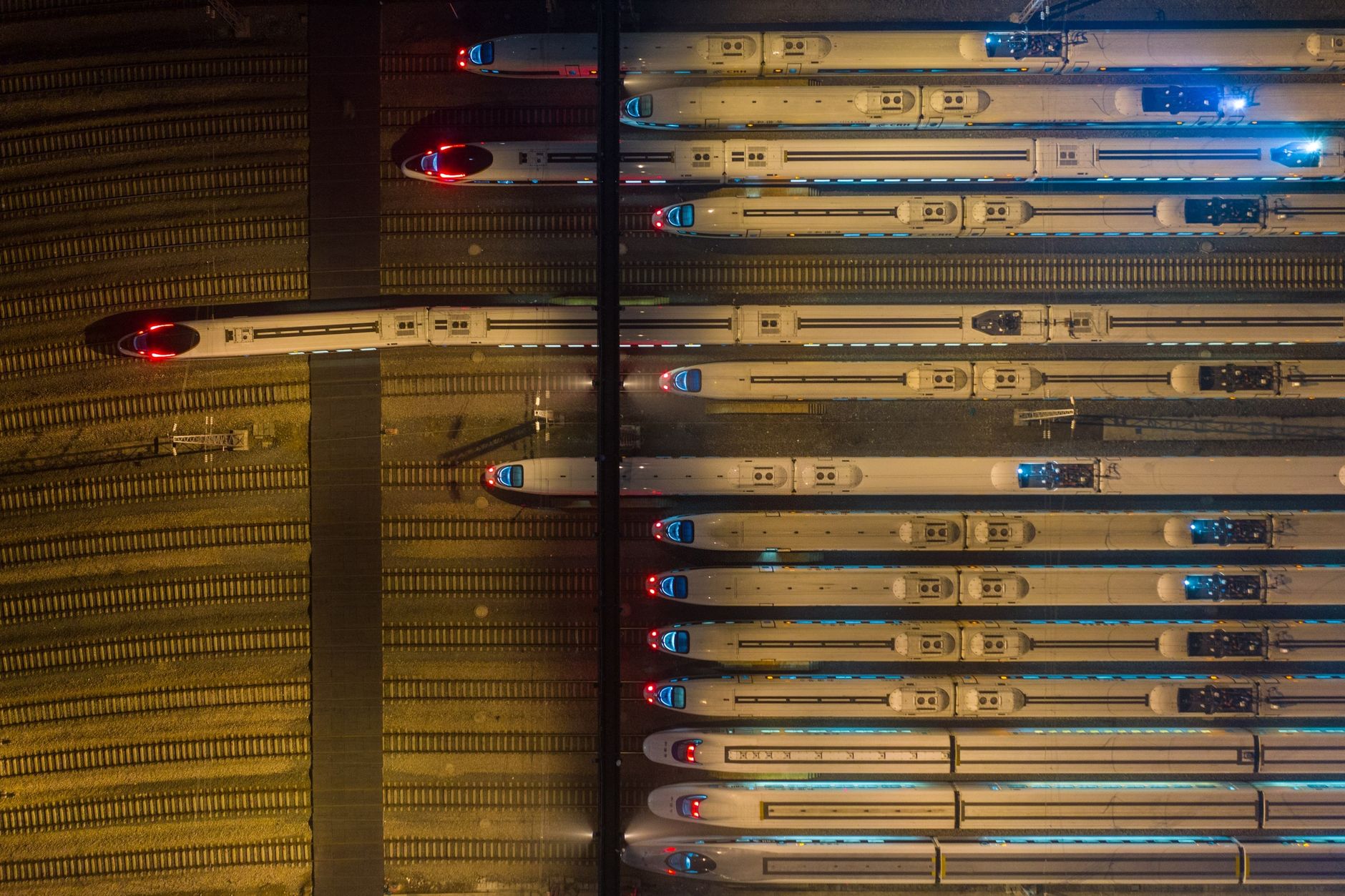
In just a few decades, China has built the largest high-speed rail network in the world, connecting almost every major city with modern bullet trains that run at extremely high speeds.
For many foreign visitors, it often raises a simple question:
How did China build such an enormous rail system so quickly?
A System Built in a Very Short Time
China’s high-speed rail network is relatively new.
Most of the expansion happened in the past 15 to 20 years.
Before that, long-distance travel in China relied mainly on slower trains, buses, or flights.
But as cities expanded and population mobility increased, the demand for faster transportation grew rapidly.
This led to one of the most ambitious infrastructure projects in modern history.
Why High-Speed Rail Became a Priority
There were several reasons China invested heavily in high-speed rail.
First, China is a very large country with many major cities spread across long distances. Air travel was expensive and less efficient for medium-range routes, while traditional trains were too slow.
High-speed rail filled the gap between the two.
Second, it helped connect inland cities with coastal economic centers, making regional development more balanced.
Third, it provided a reliable, weather-resistant alternative to flights, which can be delayed or canceled more easily.
How the Network Expanded So Quickly
One of the most striking aspects of China’s rail system is the speed of construction.
New lines were built simultaneously across different regions, often connecting cities that previously had limited transport links.
Several factors made this possible:
- Large-scale government investment
- Centralized planning system
- Standardized rail technology
- Strong demand from urbanization
Instead of building one line at a time, the system expanded as a network.
What High-Speed Trains Are Like in China
China’s high-speed trains, often called bullet trains, are modern, clean, and efficient.
Inside, passengers will typically find:
- Comfortable seating
- Air conditioning
- Clean facilities
- Quiet cabins
- Stable ride even at high speed
Trains can reach speeds of over 300 km/h on many routes.
For many travelers, the experience feels closer to flying than traditional train travel.
Why Foreigners Are Often Surprised
Visitors from outside China are often surprised by several things:
- How extensive the network is
- How punctual the trains are
- How affordable tickets can be
- How easy it is to travel between major cities
In many countries, high-speed rail is limited to a few routes. In China, it is part of everyday transportation.
Economic Impact of the Rail Network
Beyond travel convenience, the high-speed rail system has also reshaped the economy.
It has:
- Reduced travel time between cities
- Increased regional business connections
- Boosted tourism between provinces
- Supported smaller inland cities
Cities that were once considered remote are now integrated into major economic corridors.
High-Speed Rail vs Air Travel
For many routes in China, high-speed rail competes directly with airlines.
On medium-distance trips, trains often win because:
- They depart from city centers
- Boarding is faster than airports
- There are fewer delays
- Total travel time is often similar
This has changed how people choose to travel inside China.
Final Thoughts
China’s high-speed rail network is not just a transportation system. It is a reflection of how quickly infrastructure, urbanization, and mobility have evolved in the country.
What makes it remarkable is not only its size, but the speed at which it was built and integrated into daily life.
For many travelers, taking a bullet train in China is more than just a way to get from one city to another—it is an experience that shows how modern the country’s transportation system has become.
In China today, long-distance travel is no longer a challenge. It is simply part of everyday life.